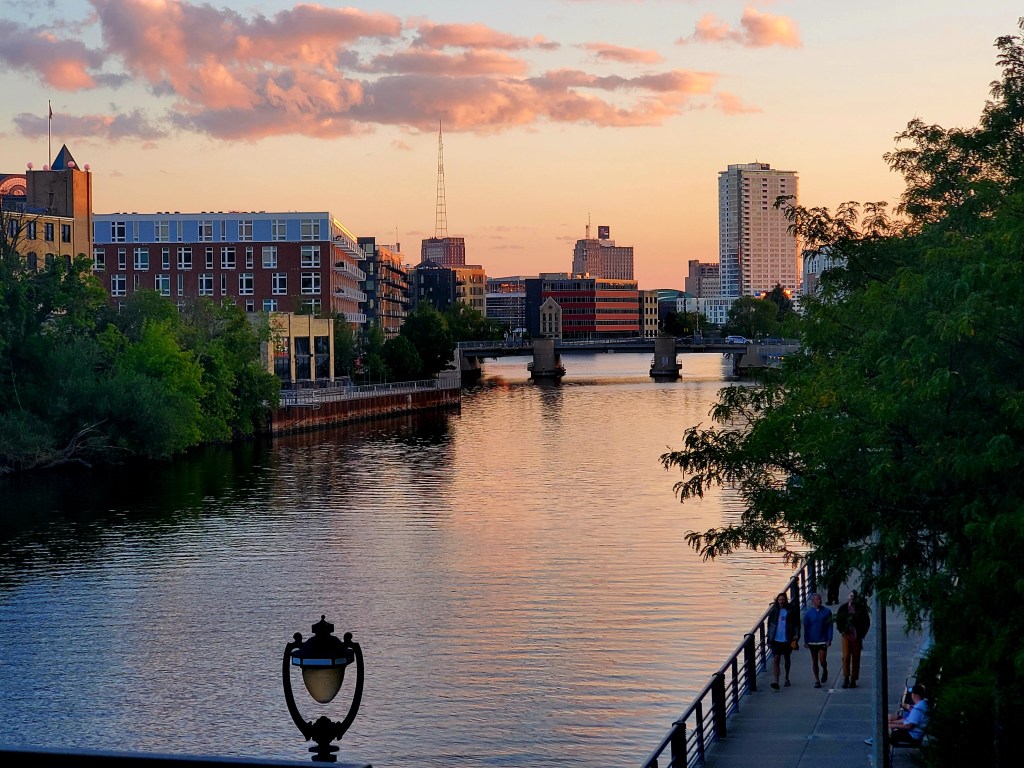
The area known as Milwaukee in present day Wisconsin was first inhabited by Native Americans – primarily the Algonquian peoples – prior to the arrival of French explorers in the 17th century. The city became incorporated in 1846 and quickly became a destination for immigrants seeking to escape the German revolutions of 1848-1849. Interestingly enough, the first kindergarten in the United States was established by a German immigrant in a Milwaukee suburb. The Germans also brought socialism, eventually giving Milwaukee the label of most socialist city in American history. Although that stigma has since cooled, the city’s past continues to interest American history buffs to this day.
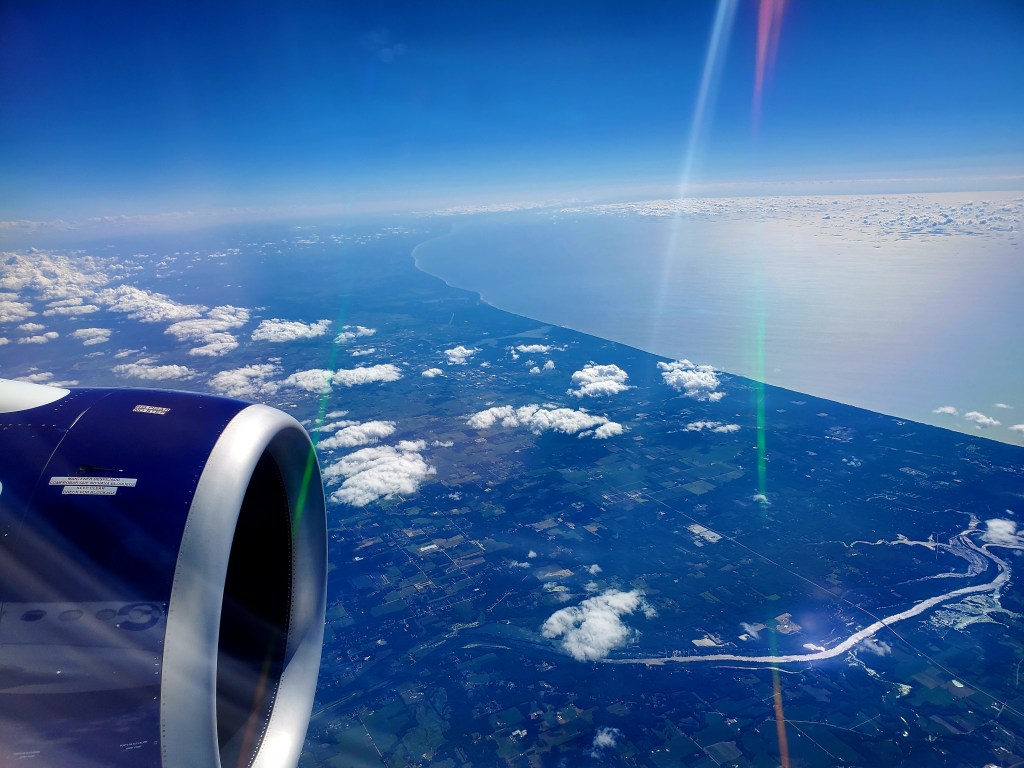
Source: Dark Passport Photography
Source: Dark Passport Photography
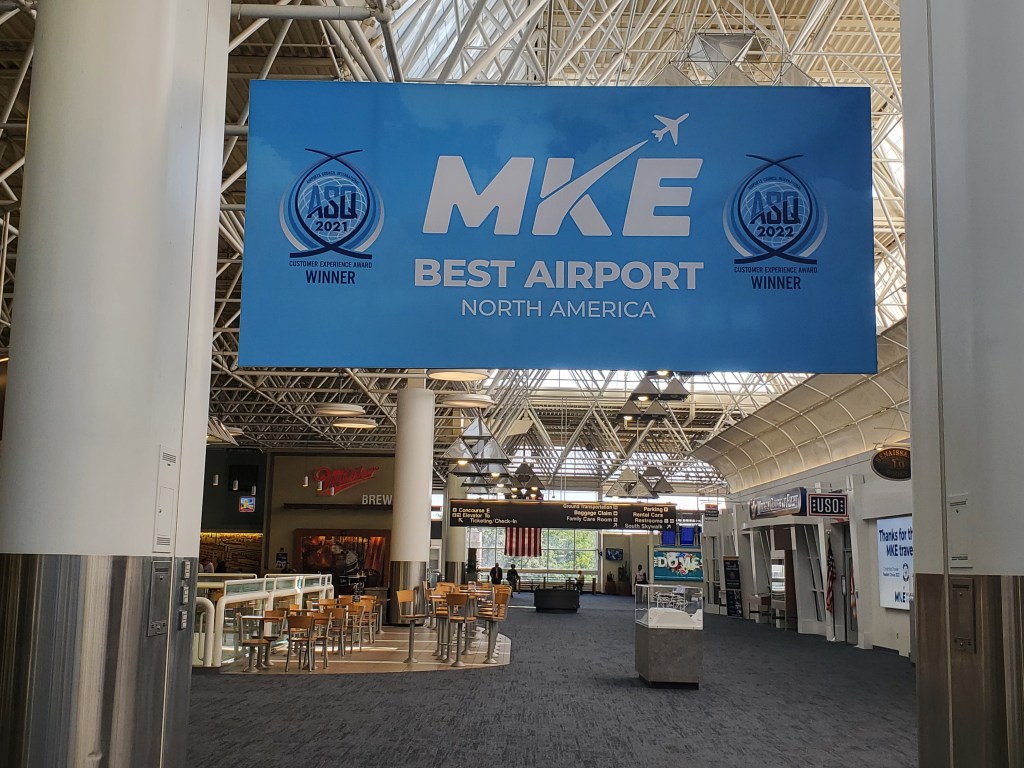
Frequent fliers often find themselves comparing notes about airports in the same way that automobile commuters talk about local freeway traffic. I enjoy medium-sized commercial airports, like Milwaukee Mitchell International (MKE), because they are efficient without being crowded. The time it takes to walk through a seemingly endless airport terminal, not to mention having to take a shuttle or tram, could be better spent exploring the destination. In this case, we sped through MKE and got checked into the historic Pfister Hotel in downtown Milwaukee.
Source: Dark Passport Photography
Source: Dark Passport Photography
Source: Dark Passport Photography
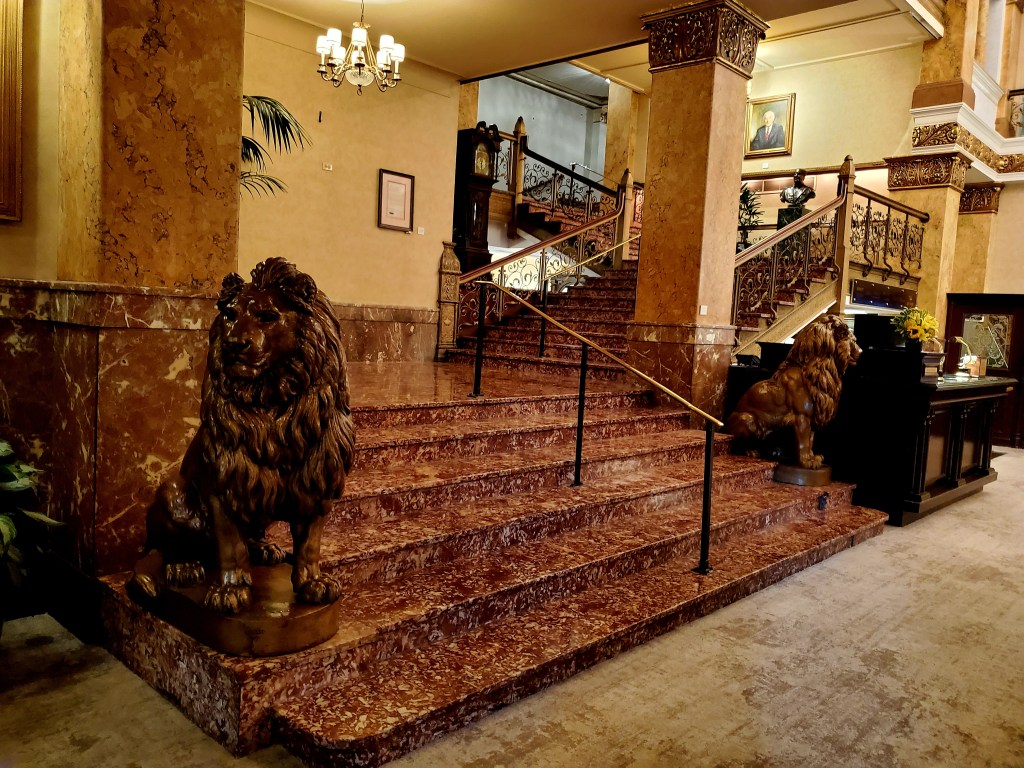
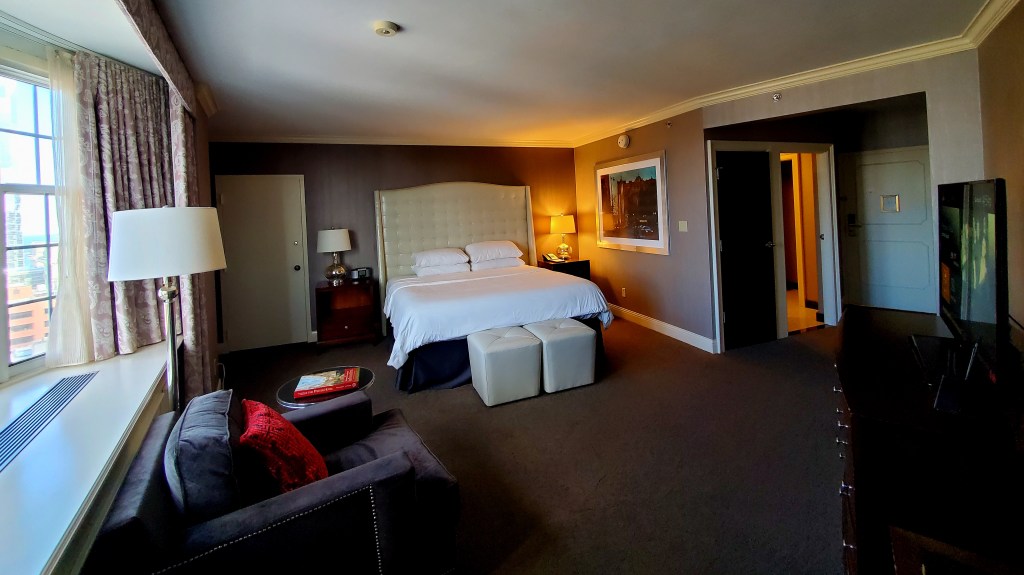
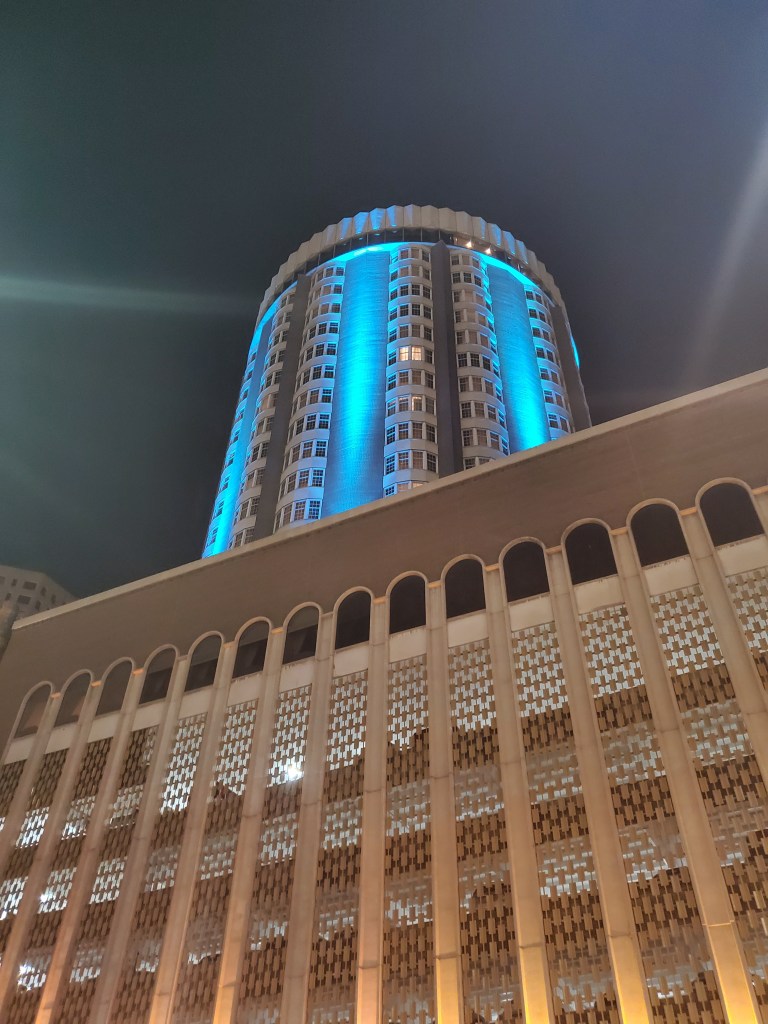
German immigrant Guido Pfister opened his namesake hotel in downtown Milwaukee in 1893 with the small fortune he had made as the owner of a leather goods business. The hotel had its ups and downs over the decades, and a new owner expanded the property in the 1960s. The new addition, complete with a 23-story cylindrical tower, is often criticized for its modernist design being in stark contrast to the Romanesque Revival style of the original building. Luckily, this duality isn’t generally noticeable to passersby on the street level because at first glance it looks like two separate structures. During booking, guests have the option of choosing the historic charm of the old section or modern amenities in the tower. Be careful when reading online reviews of the Pfister Hotel, as any negative comments written prior to the major interior renovations of 2025 might be inaccurate. Also, the view and ambiance at the bar on the 23rd floor were fantastic. It was a cocktail bar though, and Milwaukee is much more famous for its beer.
Source: Dark Passport Photography
Source: Dark Passport Photography
Source: Dark Passport Photography
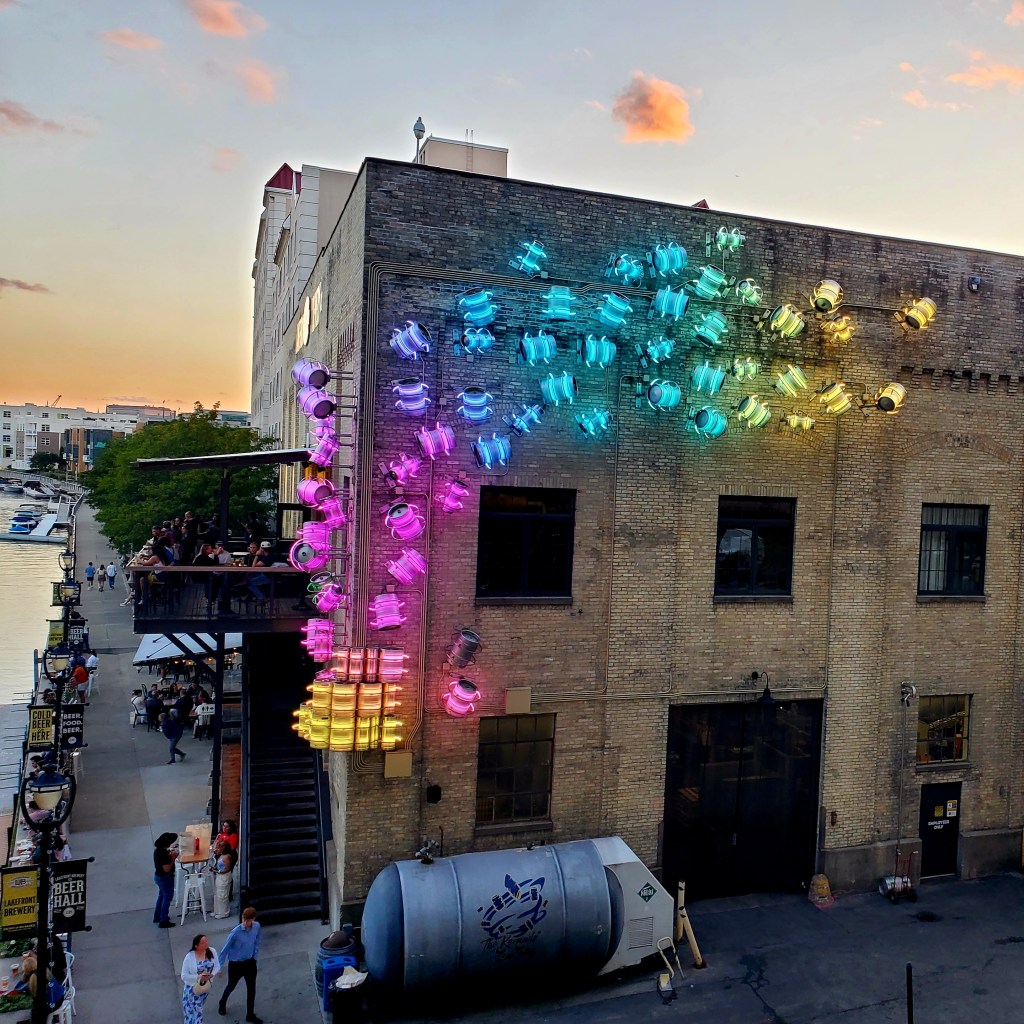
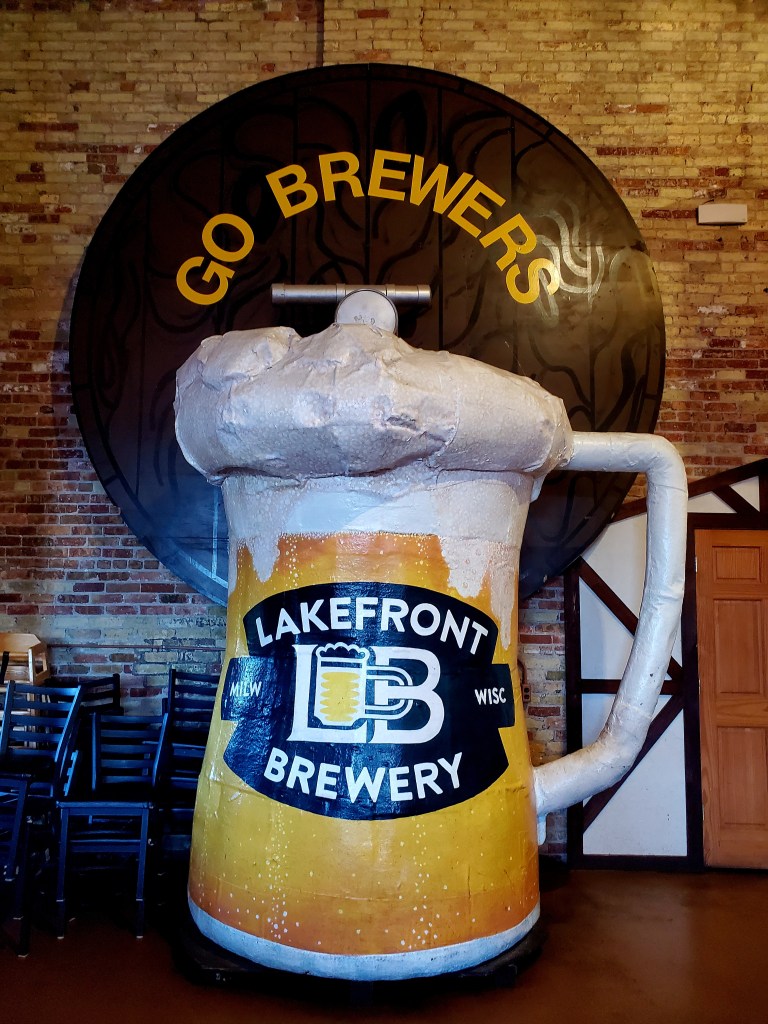
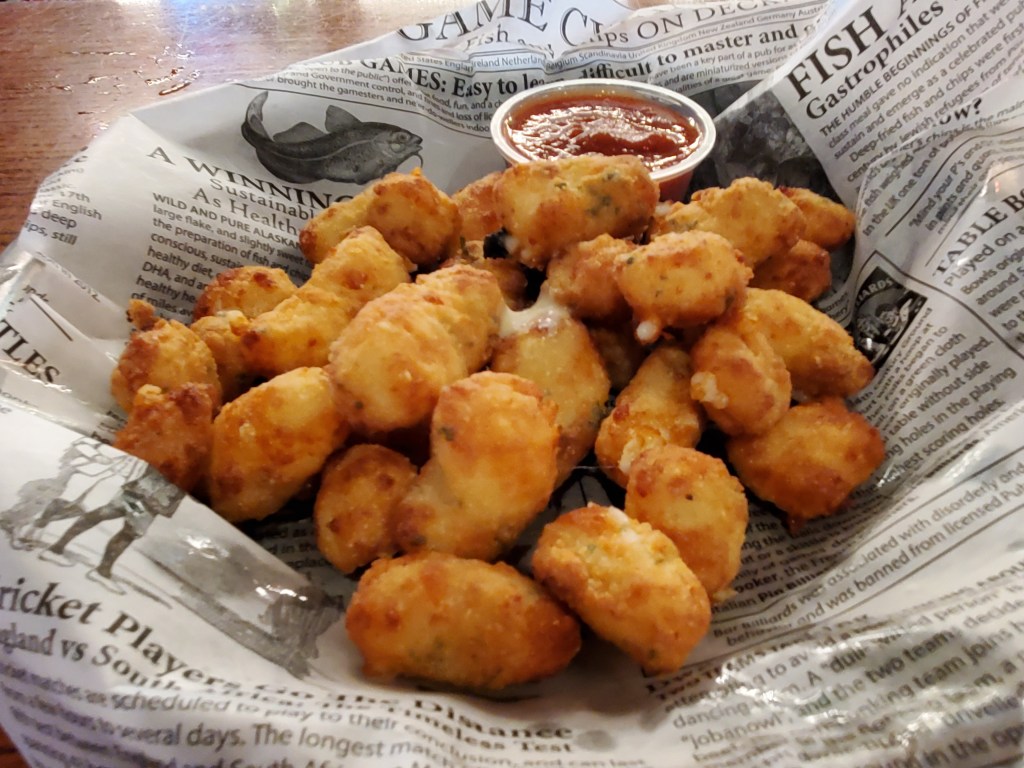
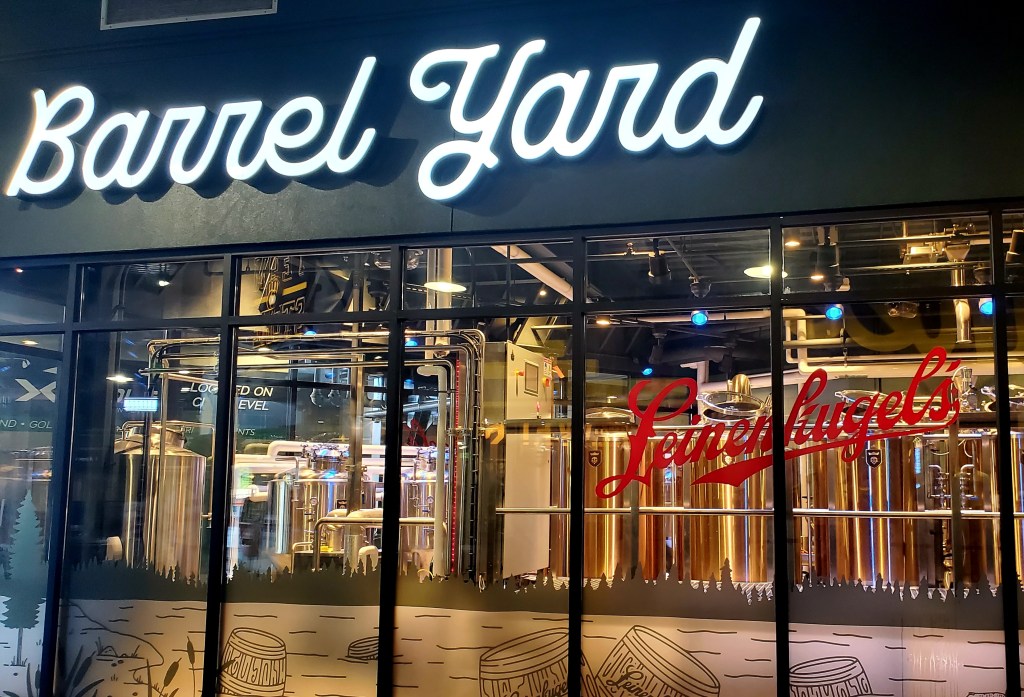
Given the aforementioned wave of German immigrants, it should not be a surprise that Milwaukee runs on beer. I heard a joke while we were in town about how people in Milwaukee describe where they live based on proximity to the nearest brewery. Even if people in your travel party aren’t beer drinkers, fear not. Many of the breweries also have great food, a wide variety of other beverages, lively atmosphere, lots of space for groups, and are family friendly. In our case it was Lakefront Brewery which checked all these boxes. I couldn’t resist an order of cheese curds, a sacred food in Wisconsin. Die-hard baseball fans also love seeing the famous giant beer mug that Milwaukee Brewers mascot Bernie Brewer would slide into after every home run at the since-demolished Milwaukee County Stadium.
Source: Dark Passport Photography
Source: Dark Passport Photography
Source: Dark Passport Photography
Source: Dark Passport Photography
Source: Dark Passport Photography
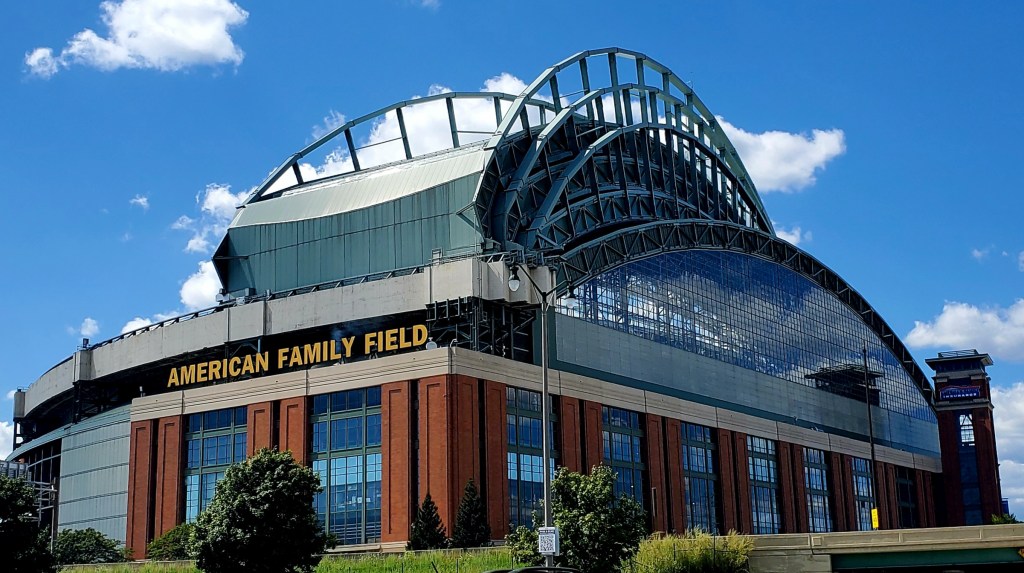
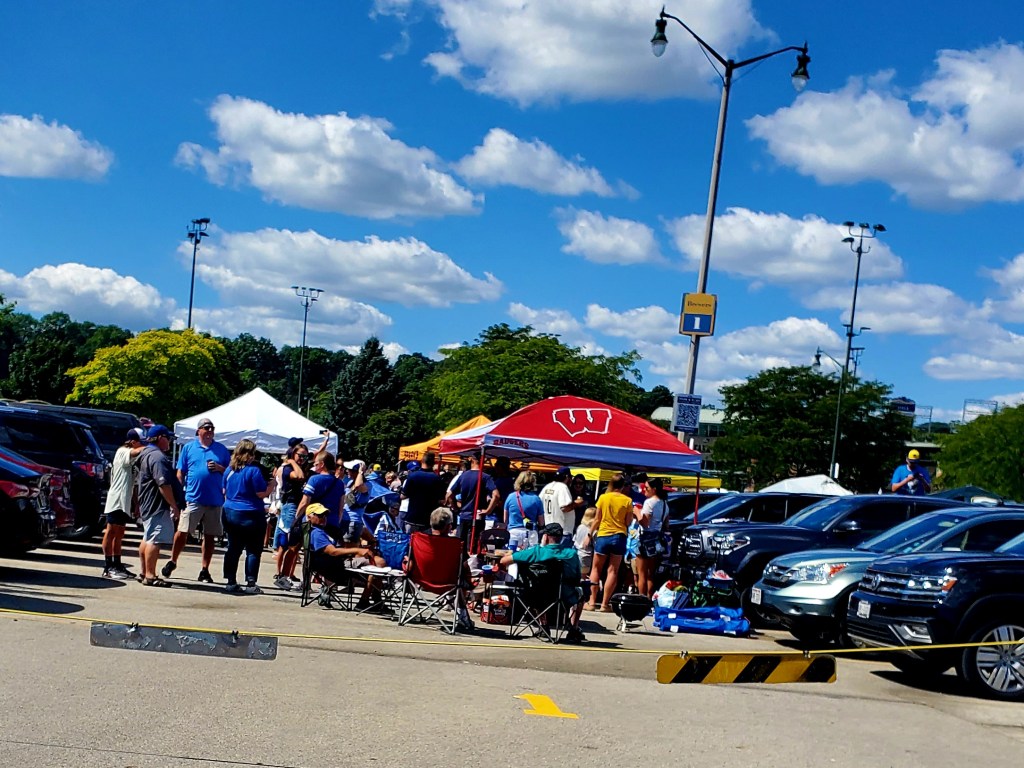
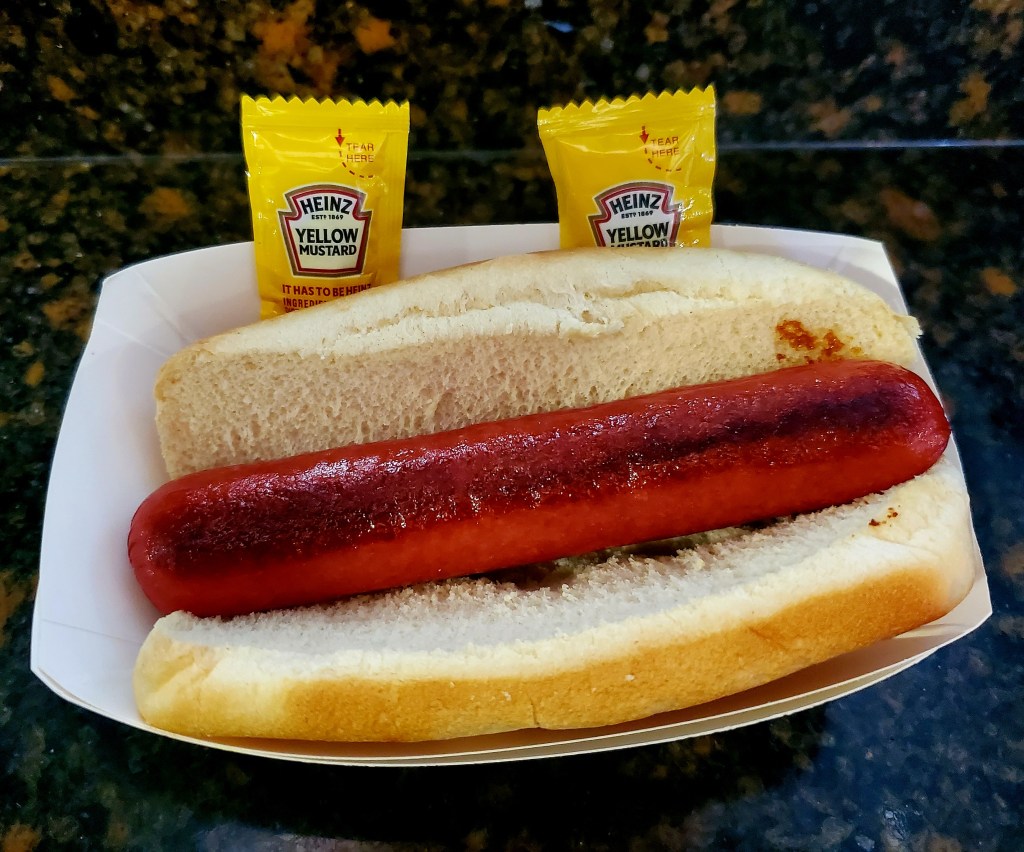
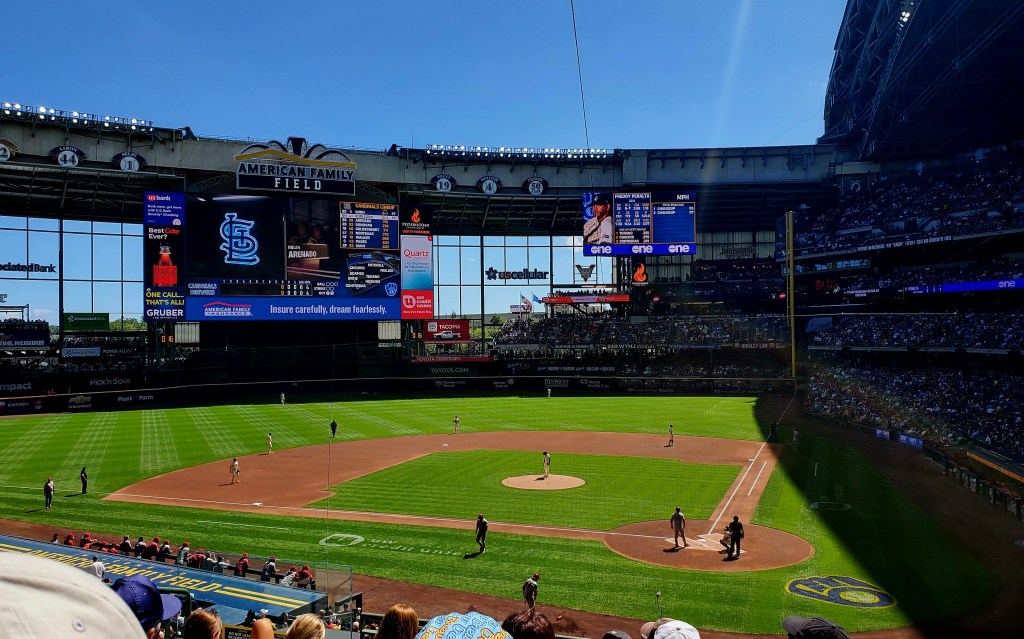
It happened to be perfect baseball weather, so the retractable roof at American Family Field was open for the Milwaukee Brewers. Hundreds of fans were tailgaiting in the parking lot before the game, which we found entertaining given how uncommon the practice is for the sport of baseball since most ballparks are located in dense urban areas. Once inside, we queued up for Dollar Hot Dog Day before the lines at the concession stands became outrageously long. Carrying the trend of the rest of the city, I couldn’t help but laugh at the fact that there was a small brewery located inside the ballpark. We had other barley-based escapades on the docket, however.
Source: Dark Passport Photography
Source: Dark Passport Photography
Source: Dark Passport Photography
Source: Dark Passport Photography
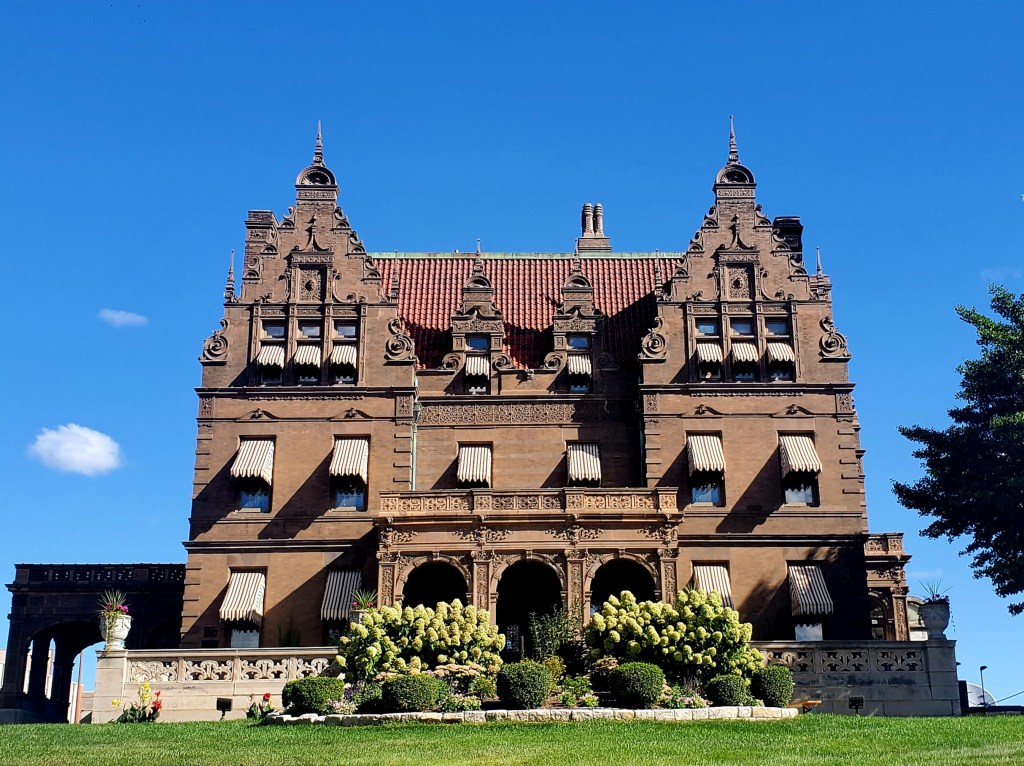
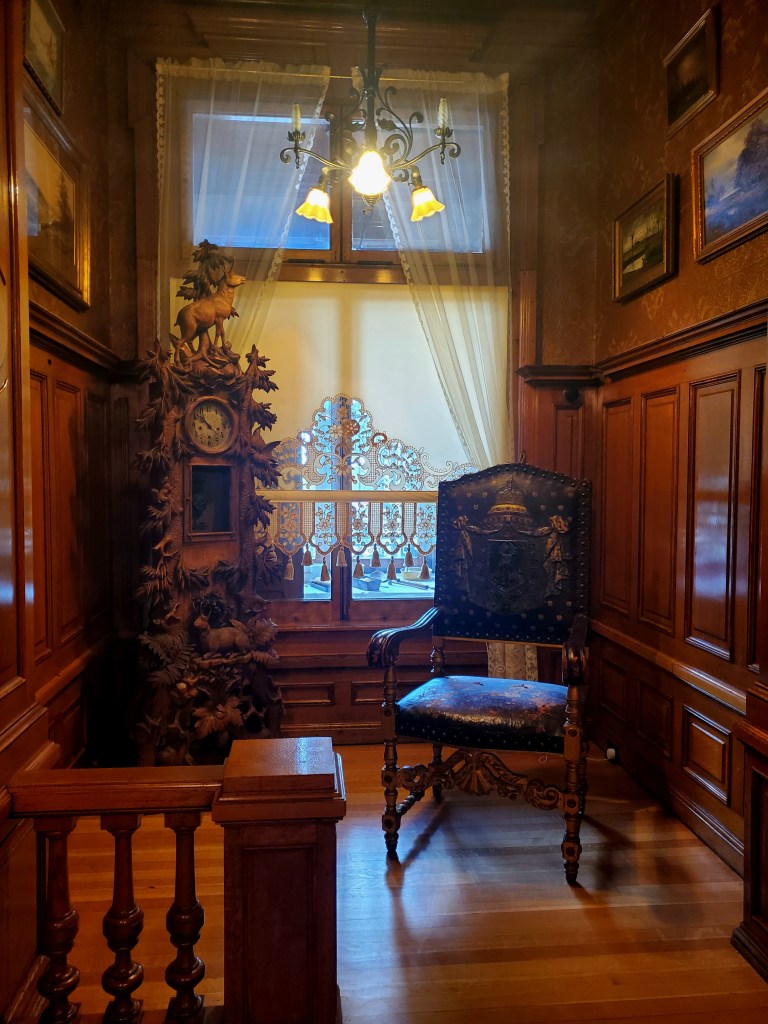
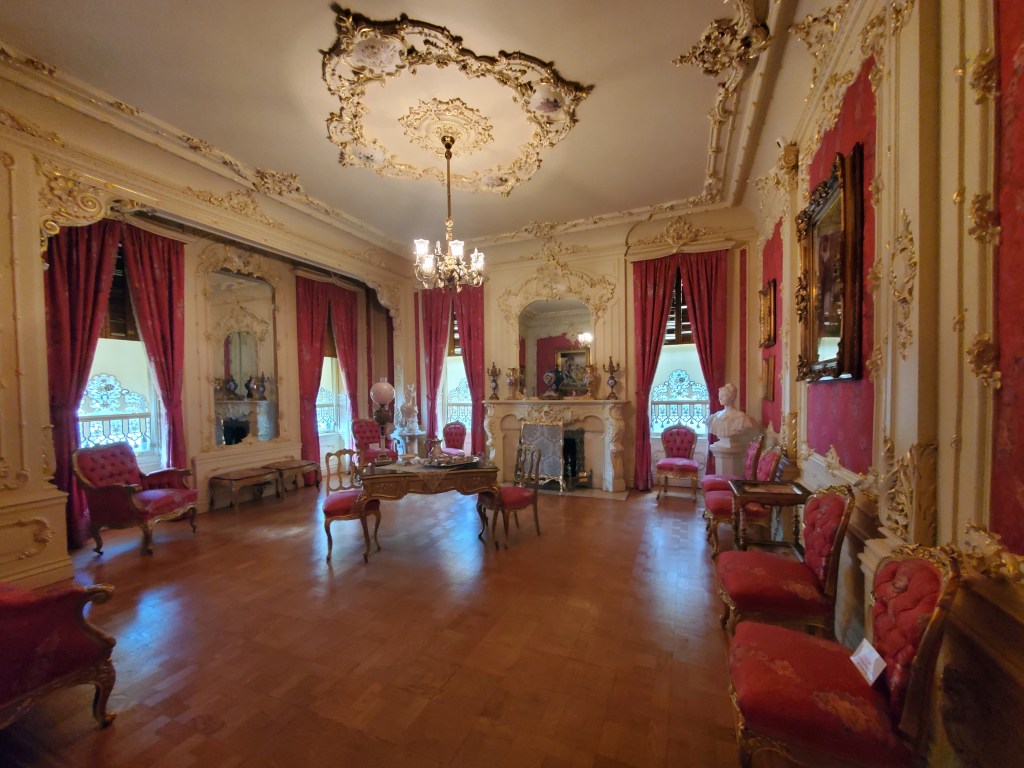
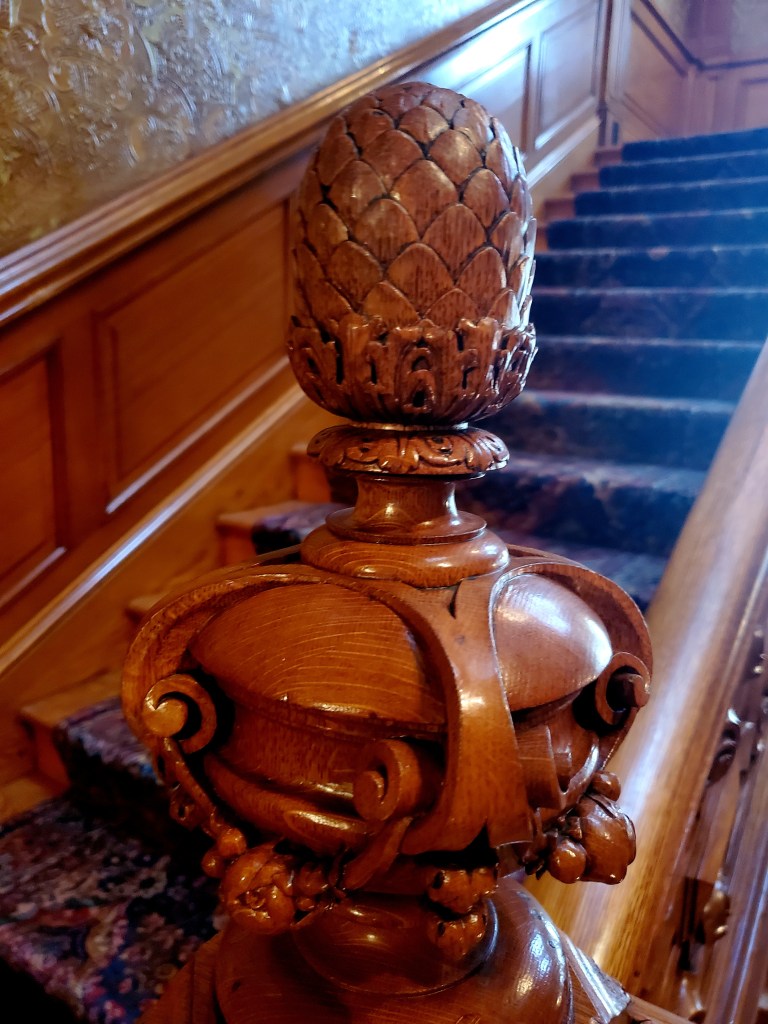
To learn more about the liquid history of Milwaukee, we took a behind-the-scenes tour of the historic Pabst Mansion. The house was formerly owned by the namesake beer magnate Captain Frederick Pabst and his wife Maria. The 20,000 square foot residence was finished in 1892 and was only occupied by the Pabst family for about 16 years. Curiously, the second owner was the Roman Catholic Archdiocese of Milwaukee for more than six decades until the property was put on the National Register of Historic Places. There are several types of tours available to the public in addition to numerous events which take place at the mansion throughout the year.
Unfortunately my memory of the magnificent Pabst Mansion is permanently overshadowed by an incident at the beginning of our tour in which a guest suffered an unexpected, life-threatening medical emergency that required immediate intervention. After we transferred care to the paramedics and rejoined the group, the museum staff attempted to lighten the mood in true Milwaukee fashion by giving out free Pabst beer to everyone. It’s the thought that counts, right? Luckily the next tour on our schedule was less eventful.
Source: Dark Passport Photography
Source: Dark Passport Photography
Source: Dark Passport Photography
Source: Dark Passport Photography
Source: Dark Passport Photography
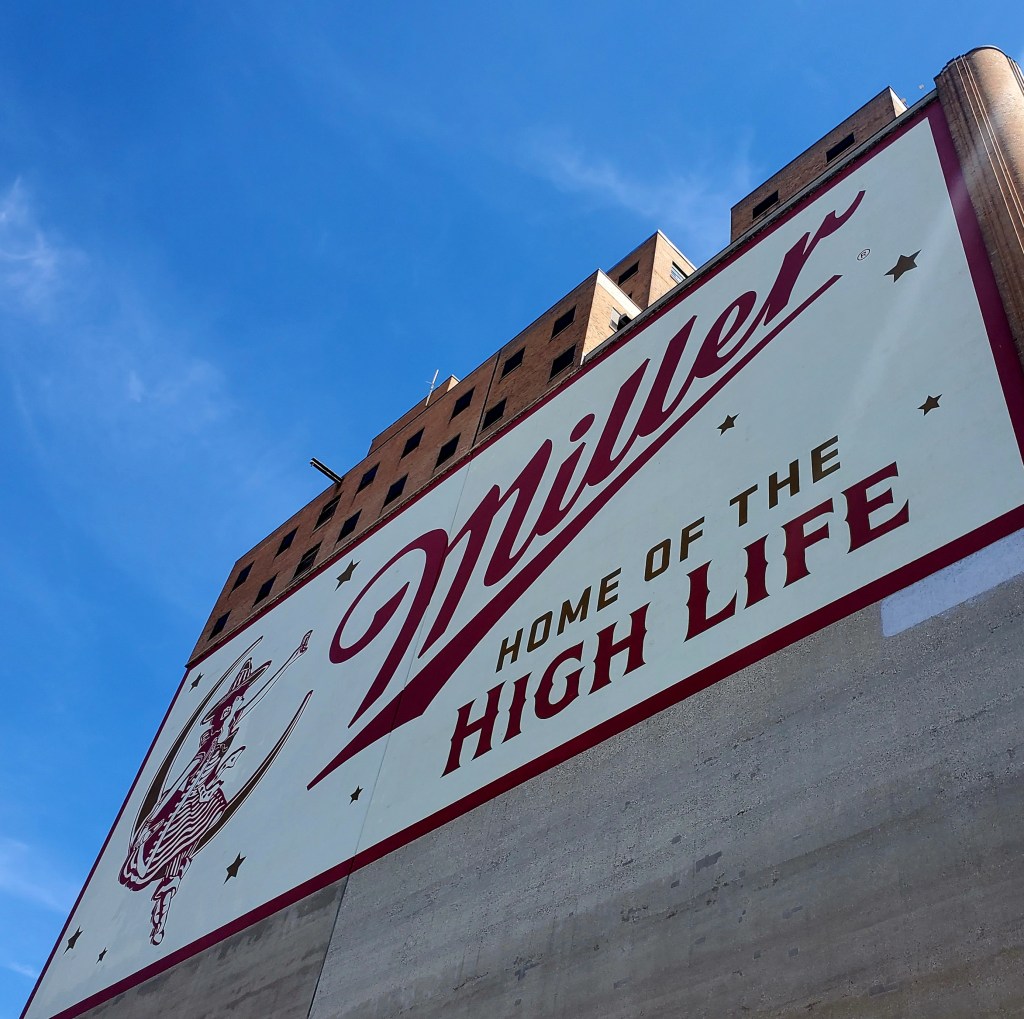
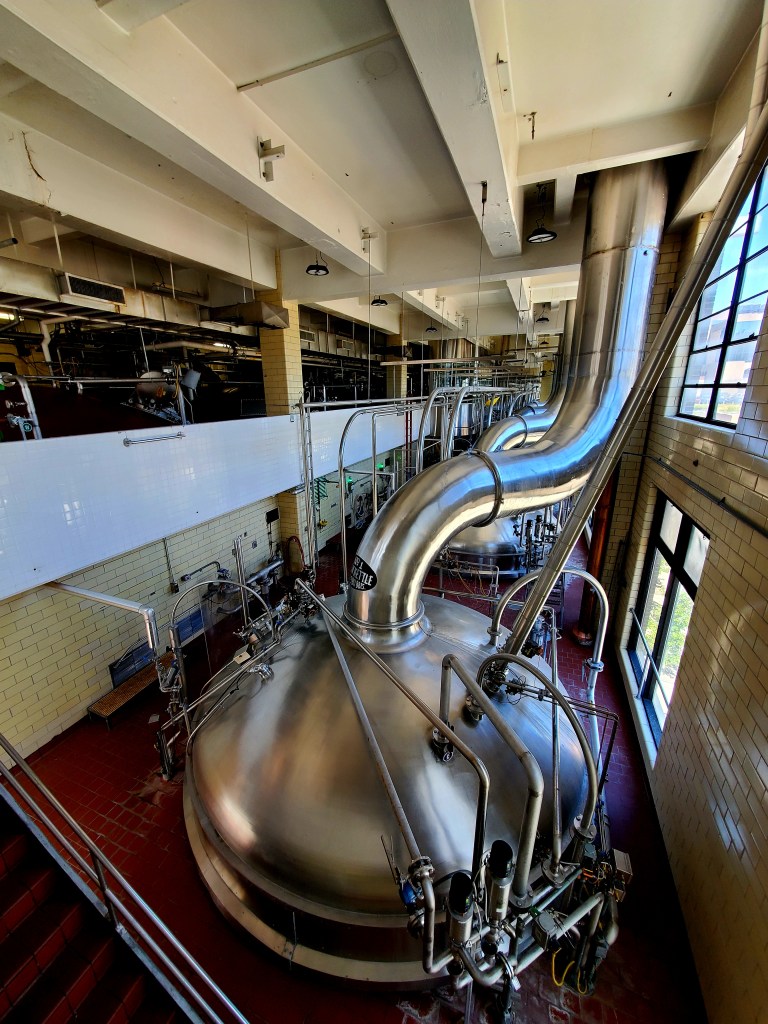
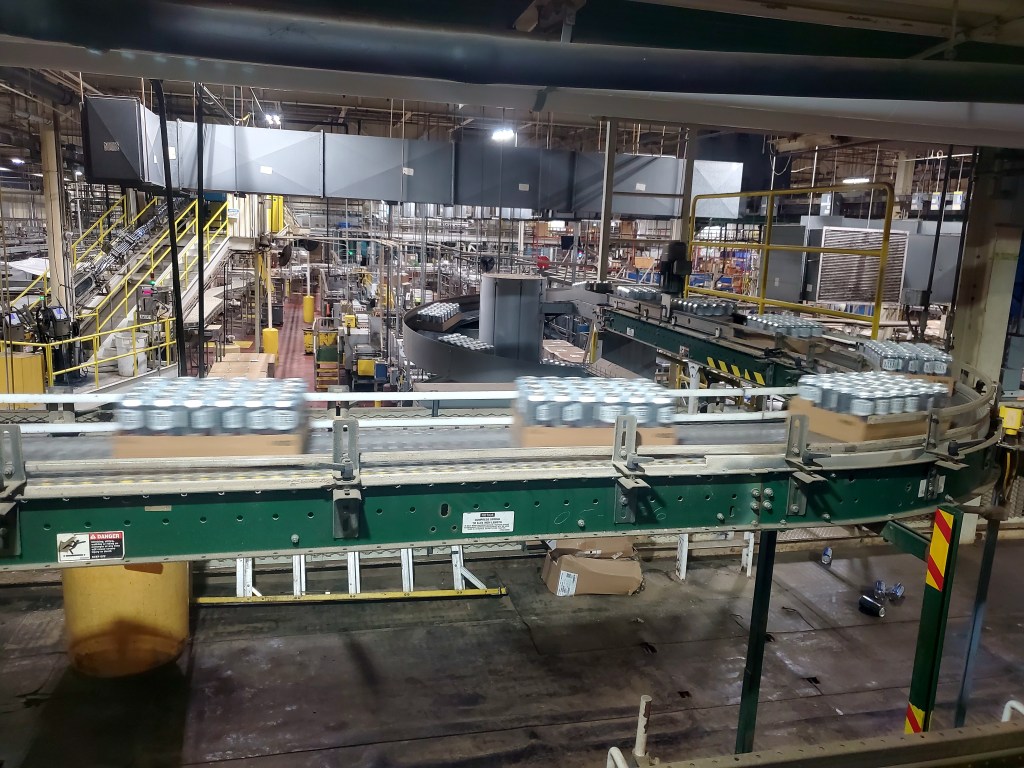
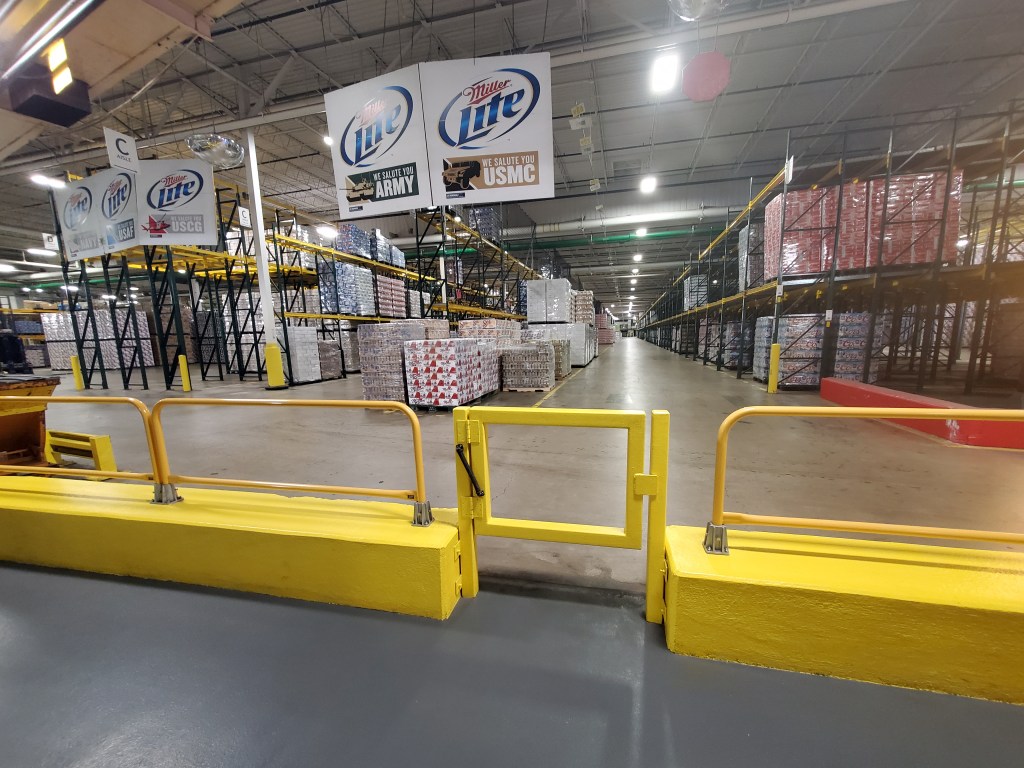
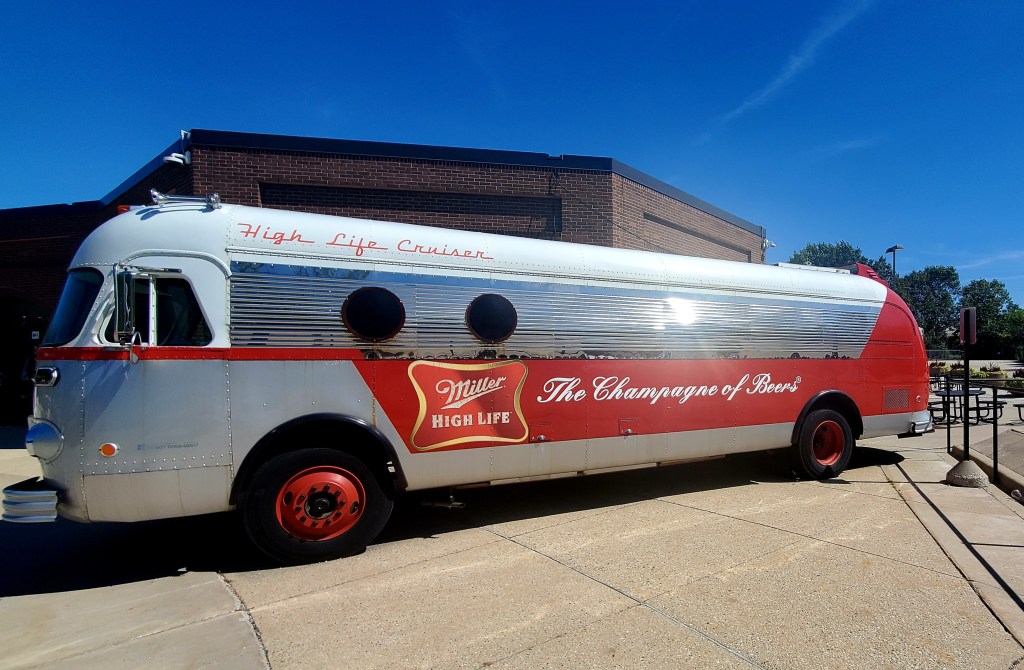
Pabst Brewing Company shuttered its Milwaukee brewery 30 years ago, but another major player still remains. Miller Brewing Company, now a subset of Molson Coors, was founded by Frederick Miller in 1855 in an area of Milwaukee now known as Miller Valley. The site is 84 acres in size, with 81 total buildings. The company survived Prohibition and still makes its flagship High Life beer and other brands on site – to the tune of more than 600,000 cases per day. This rich, 170-year history is told by guides during in-depth public tours. Frederick Miller would be proud of his legacy in Milwaukee, but he wasn’t the only historical figure to leave his mark there.
Source: Dark Passport Photography
Source: Dark Passport Photography
Source: Dark Passport Photography
Source: Dark Passport Photography
Source: Dark Passport Photography
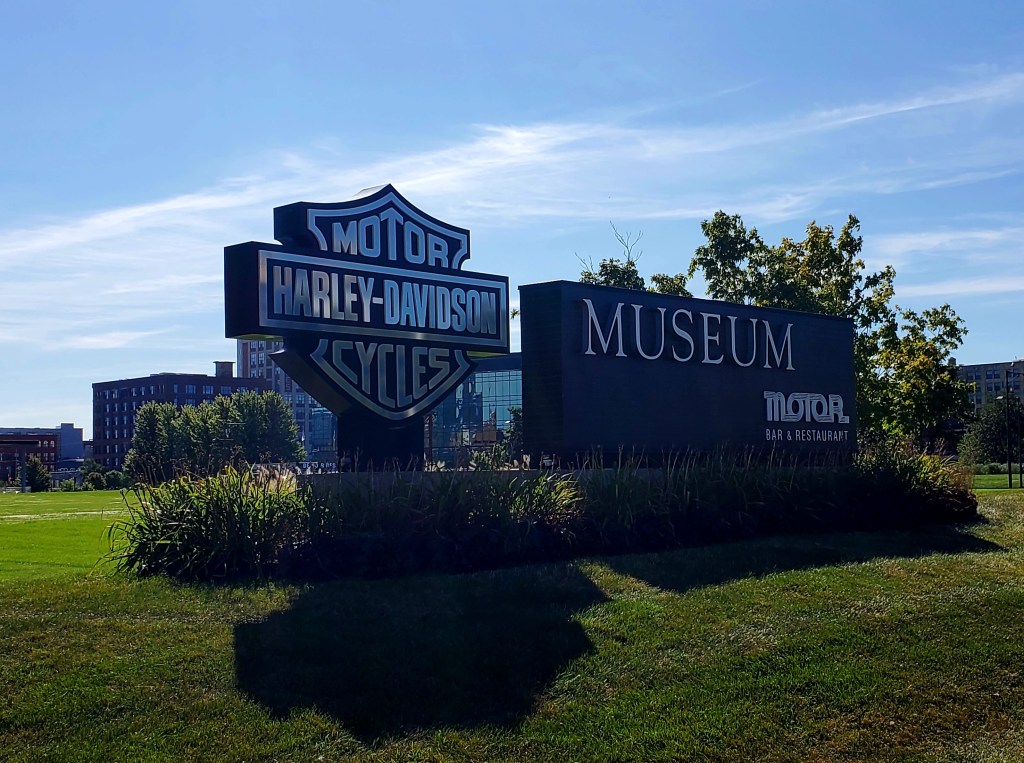
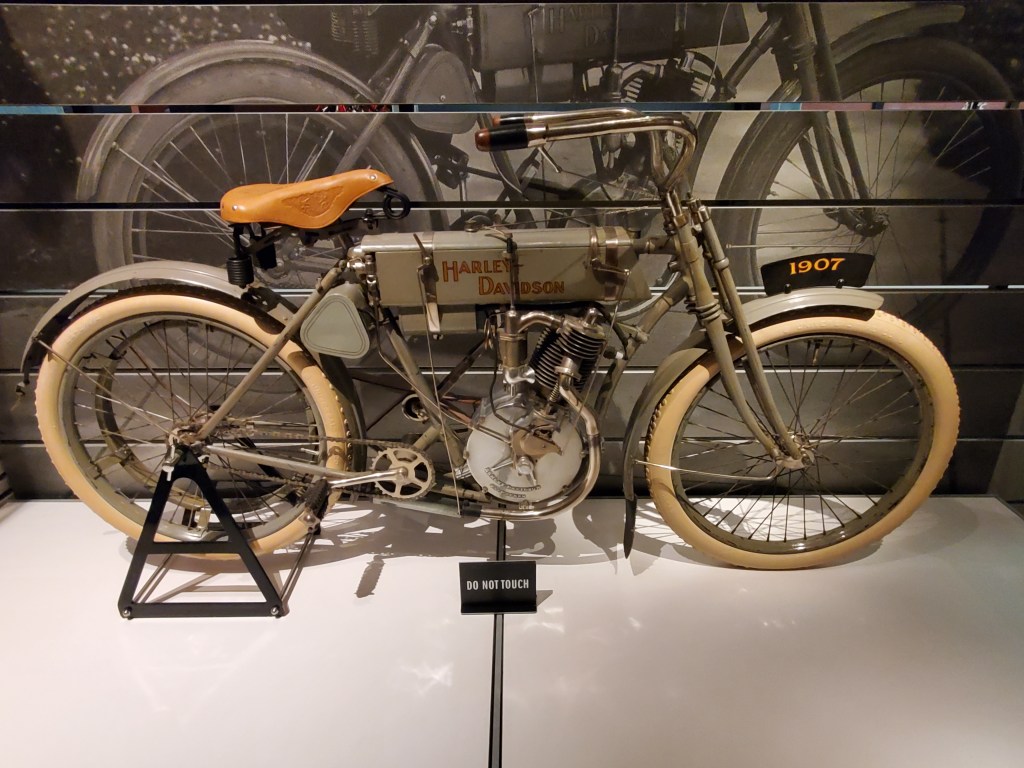
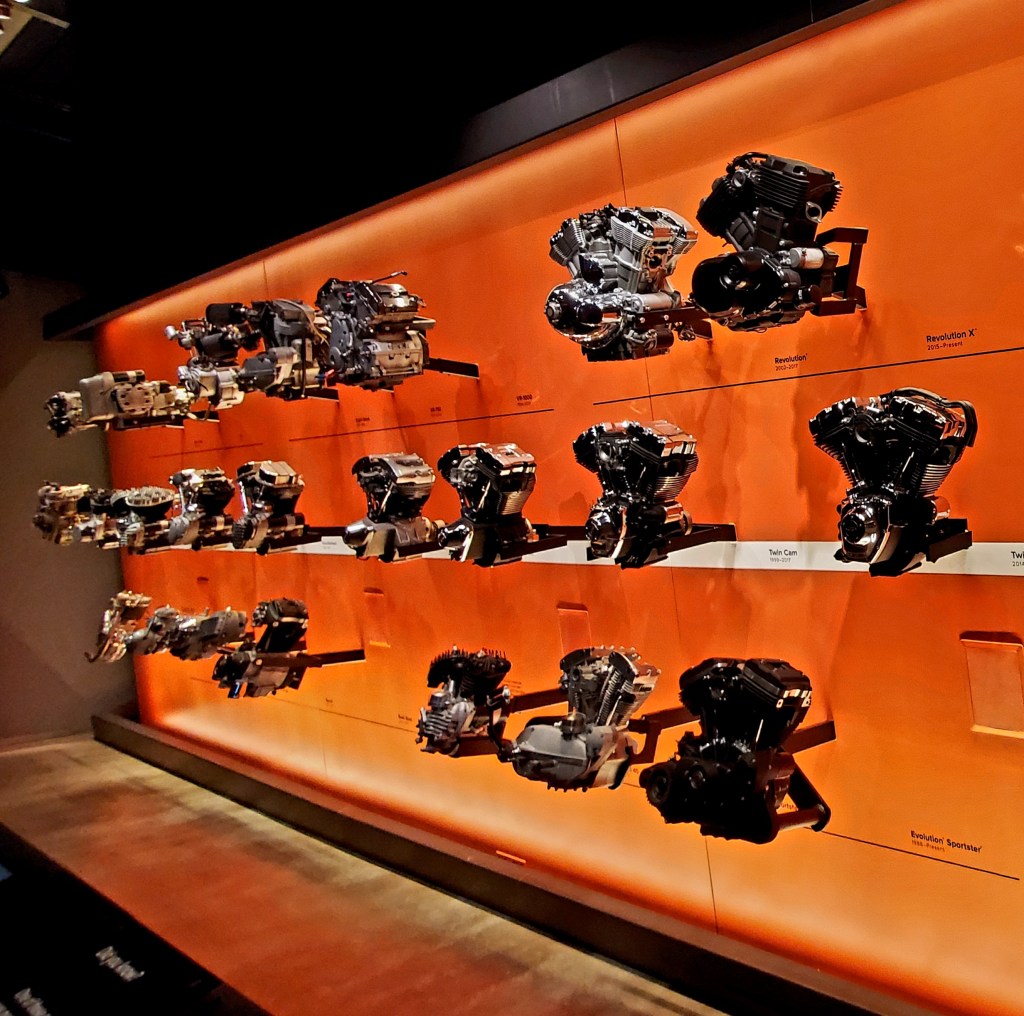
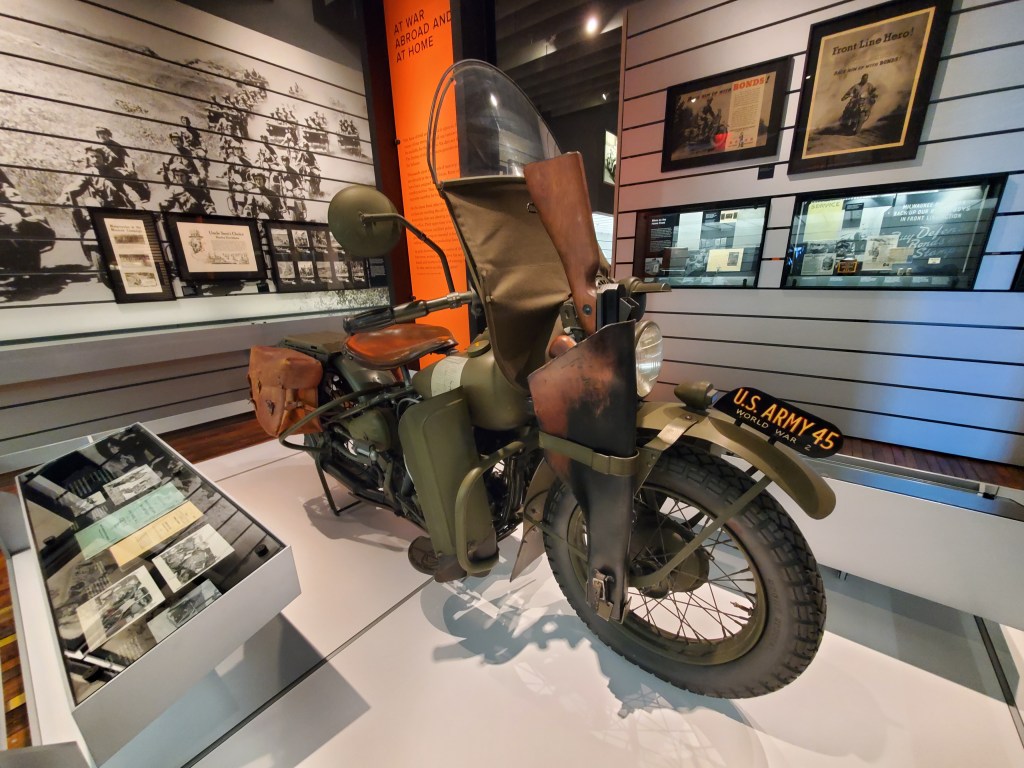
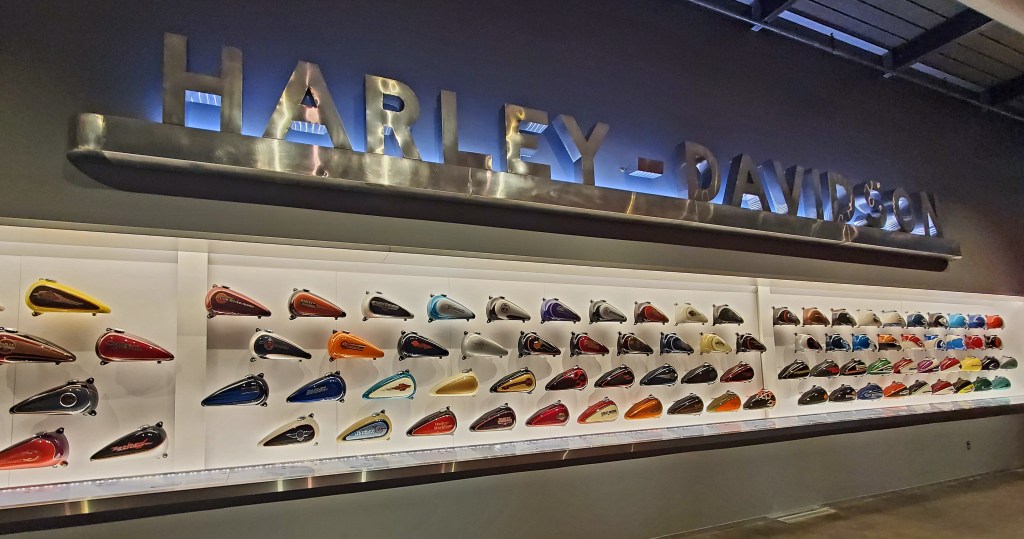
In the early 1900s, William S. Harley and Arthur Davidson combined their limited knowledge of bicycles and metalworking to begin adding small single-cylinder engines to the frames of pedal bikes in a backyard shed on the Davidson family property in Milwaukee. Friends and family members with machining and engineering experience jumped on board, and in 1907 the Harley-Davidson Motor Company was incorporated. The rest, as they say, is history. The company’s corporate headquarters and museum are both in Milwaukee, albeit in different locations. The museum offers guided and self-guided tours, with most visitors choosing the latter. There is also a large motorcycle-themed restaurant on site and, as you can imagine, many large events hosted throughout the year. The museum is very well put together and absolutely worth a visit, even if you’re not a motorcycle rider. There is so much to see that pictures cannot do it justice. The history of the legendary company and the many ways in which the world has benefitted from it is fascinating. But don’t forget, the world also reaps the rewards of another Wisconsin export.
Source: Dark Passport Photography
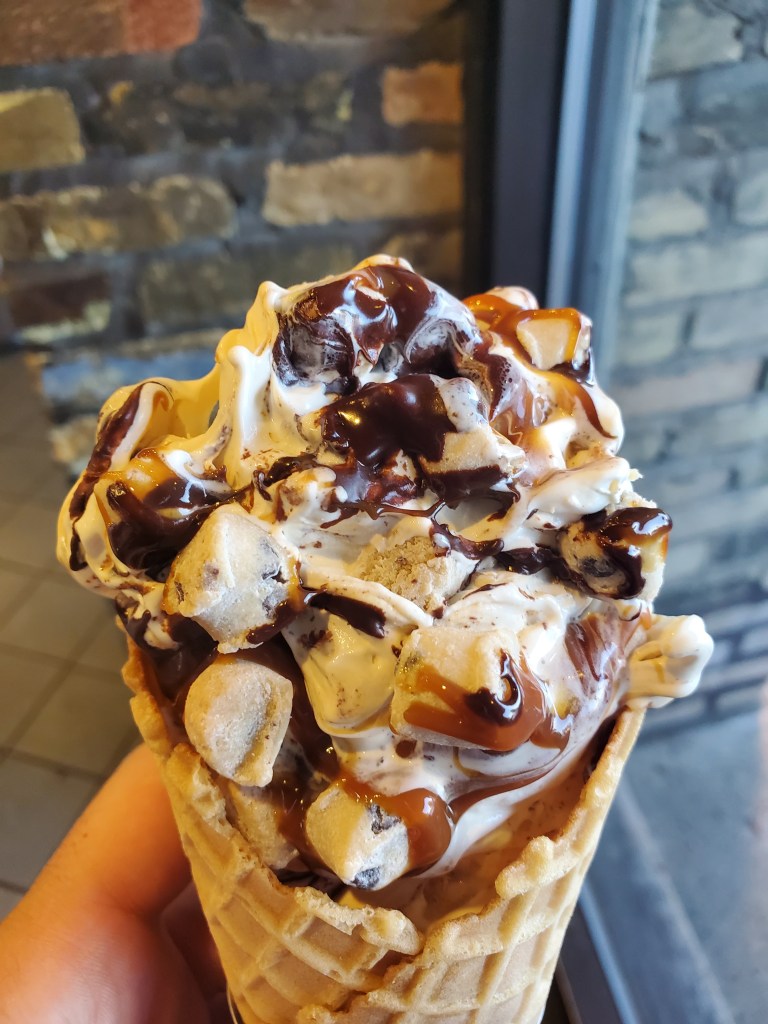
Before we left America’s Dairyland of Wisconsin, there was one more staple to try: frozen custard. As is the case in any community, people will fight for their opinion of the best this or best that. In Milwaukee, the argument usually comes down to two establishments, one of which is Kopp’s Frozen Custard. Before we even went inside, I could see I was going to be happy. The parking lot was full of people from all walks of life hanging around their cars just enjoying life and frozen treats. It had the feel of an old school drive-in mixed with a small-town Dairy Queen. No hoodlums, no tomfoolery, just shared happiness and sugar rushes. The inside was packed, and I was told that’s how it always is. But the service was quick. They have a basic grill menu with burgers and fries. And naturally there is an extensive list of shakes, malts, sundaes, and old-fashioned sodas. But the ‘thing’ at Kopp’s is their rotating frozen custard flavor menu. They have a ‘flavor of the day’ which truly does change daily. I learned there is a local cult following of residents who watch specifically for their favorite frozen custard flavors to come available – there is even a smartphone app just for this purpose. Fun fact, the flavor of the day when I visited Kopp’s Frozen Custard (Ultimate Cookie Dough, pictured above) was also the flavor on the day this blog post was published.
Source: Dark Passport Photography
Regardless of whether you do or do not like socialism, beer, Harley-Davidson motorcycles, or dairy products, I hope this blog inspired some interest into the unique and intriguing history of Milwaukee, Wisconsin. This writing was but a sample of everything the city has to offer. If anything, residents of Milwaukee would largely argue that the best parts of the city aren’t the tourist spots I wrote about here. Sure, it probably isn’t on the top of anybody’s travel list in the dead of winter, but pack your walking shoes and give Milwaukee a shot when the weather is nice and you’re ready to learn about an integral player in American history.

