At just over 1,000 square miles of land area, Rhode Island is the smallest of the 50 states in America. Yet despite its size, Rhode Island and its capital city of Providence have much to offer. Providence in particular carries the stereotypical New England college town vibe with its colonial era homes, adapted and reused buildings leftover from the Industrial Revolution, thriving art scene, and smattering of coffee shops. The city has a reputation for its food culture as well as a large gay and lesbian community. It is Ivy League charm mixed with urban culture. A hipster’s paradise.
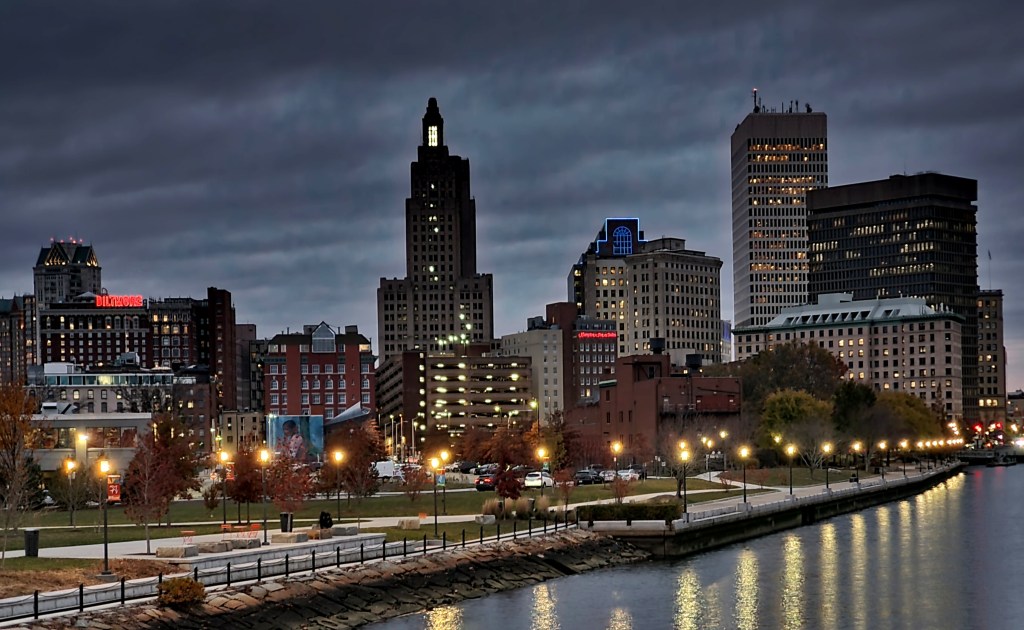
Full-size photograph located at Dark Passport Photography
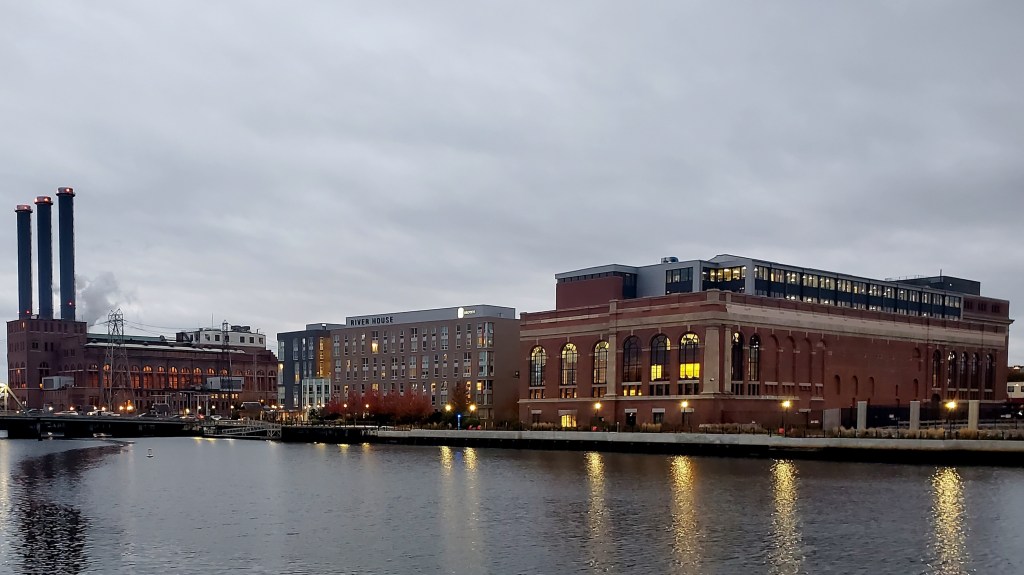
Source: Dark Passport Photography
Thankfully Providence is a walkable city, allowing visitors to stroll along the historic streets admiring the colonial houses and points of interest. Many free, self-guided walking tours are available online. Whichever you choose, you are bound to be led to the famous Prospect Terrace Park in the College Hill neighborhood. The park is known for its remarkable, elevated views of downtown Providence.
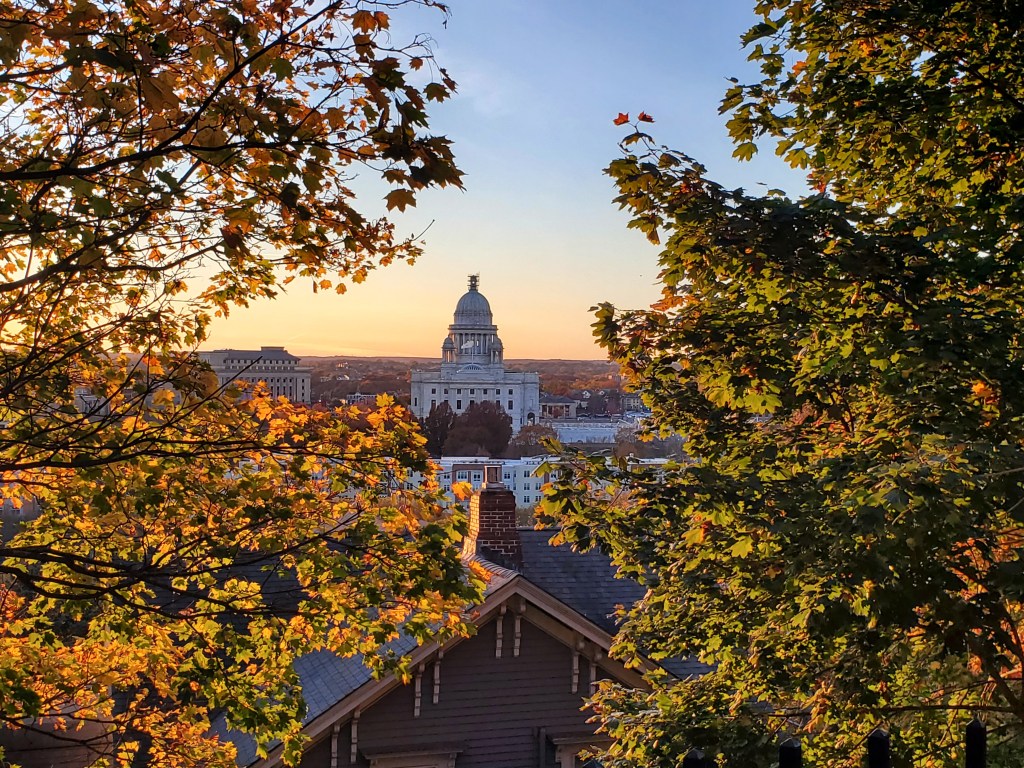
Source: Dark Passport Photography
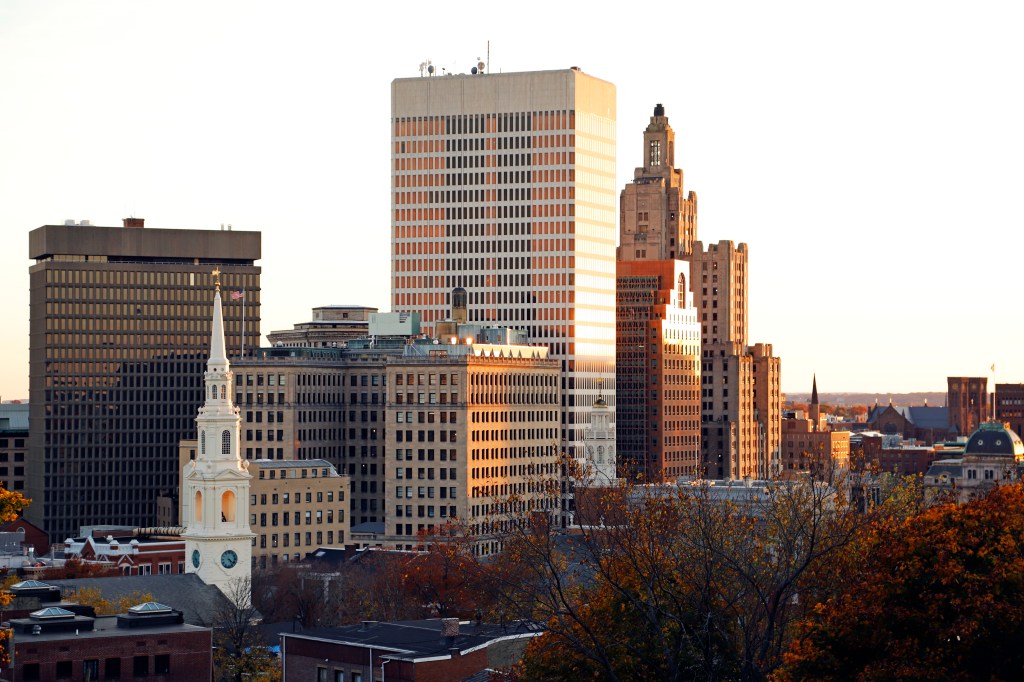
Source: Dark Passport Photography
The juxtaposition of older buildings nestled among modern structures has always been appealing to me. Several historic churches caught my eye while strolling downtown Providence. The aptly named First Baptist Church in America has had a following in Providence since 1638 and specifically in its current structure since the late 1700s, making it the oldest Baptist church in the United States. The second house of worship I stopped to photograph was Grace Episcopal Church, built in the mid-1800s in what is now the commercial district of downtown Providence. The Gothic Revival design, with its red bricks, is particularly striking during the fall season when the leaves on the surrounding trees have changed color. Lastly, the First Unitarian Church of Providence was an unexpected centerpiece of a spooky nighttime photograph with autumn leaves scraping across its grey slate steps.
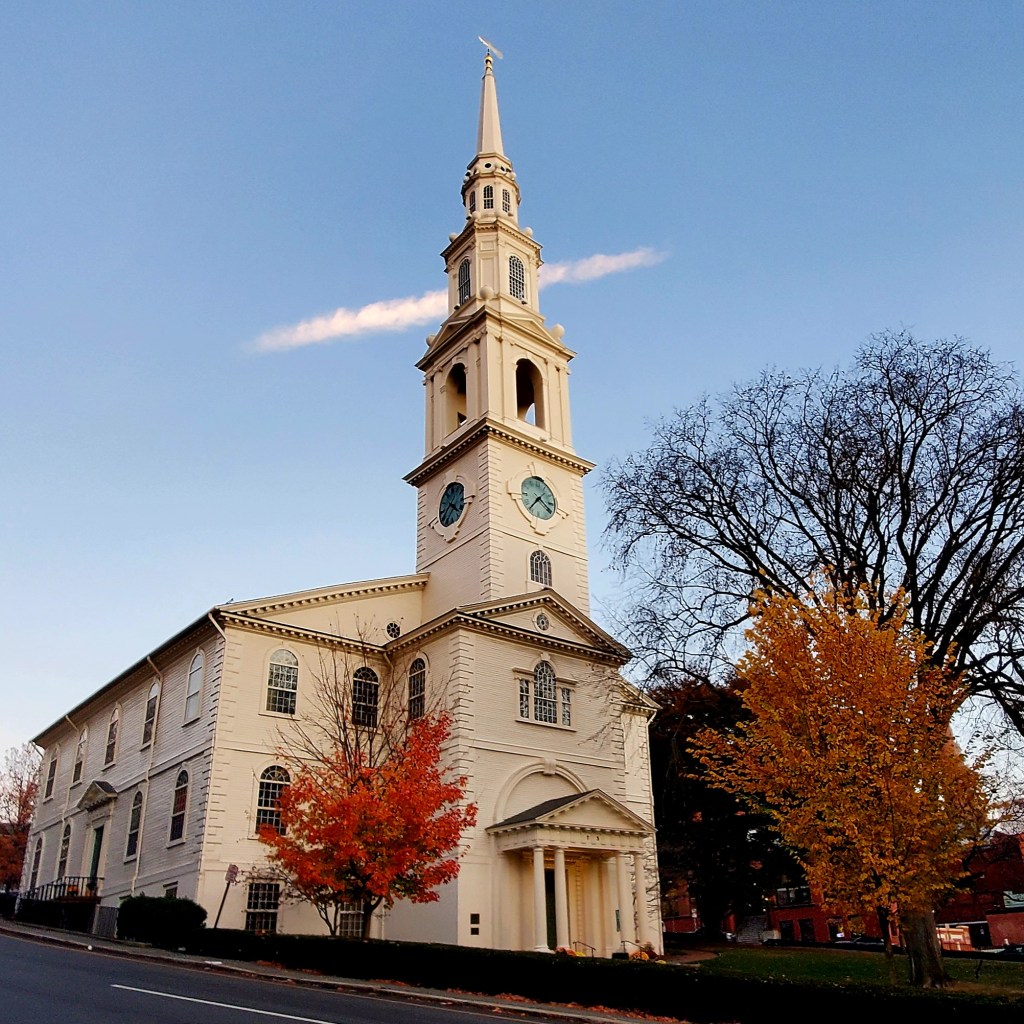
Source: Dark Passport Photography
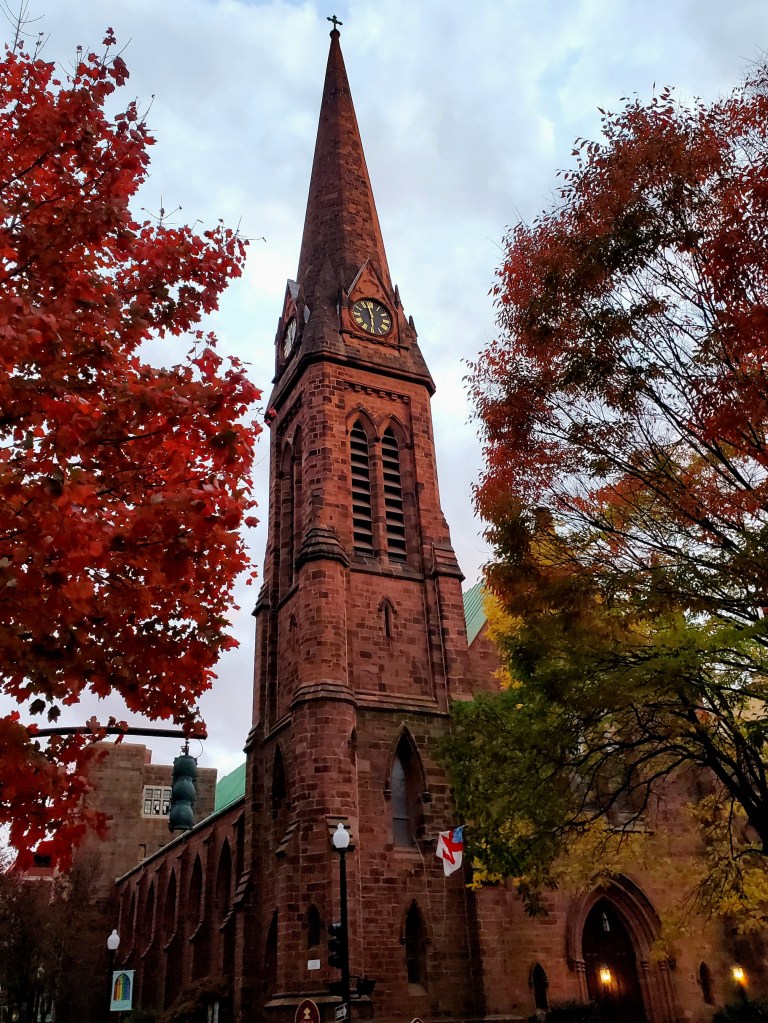
Source: Dark Passport Photography
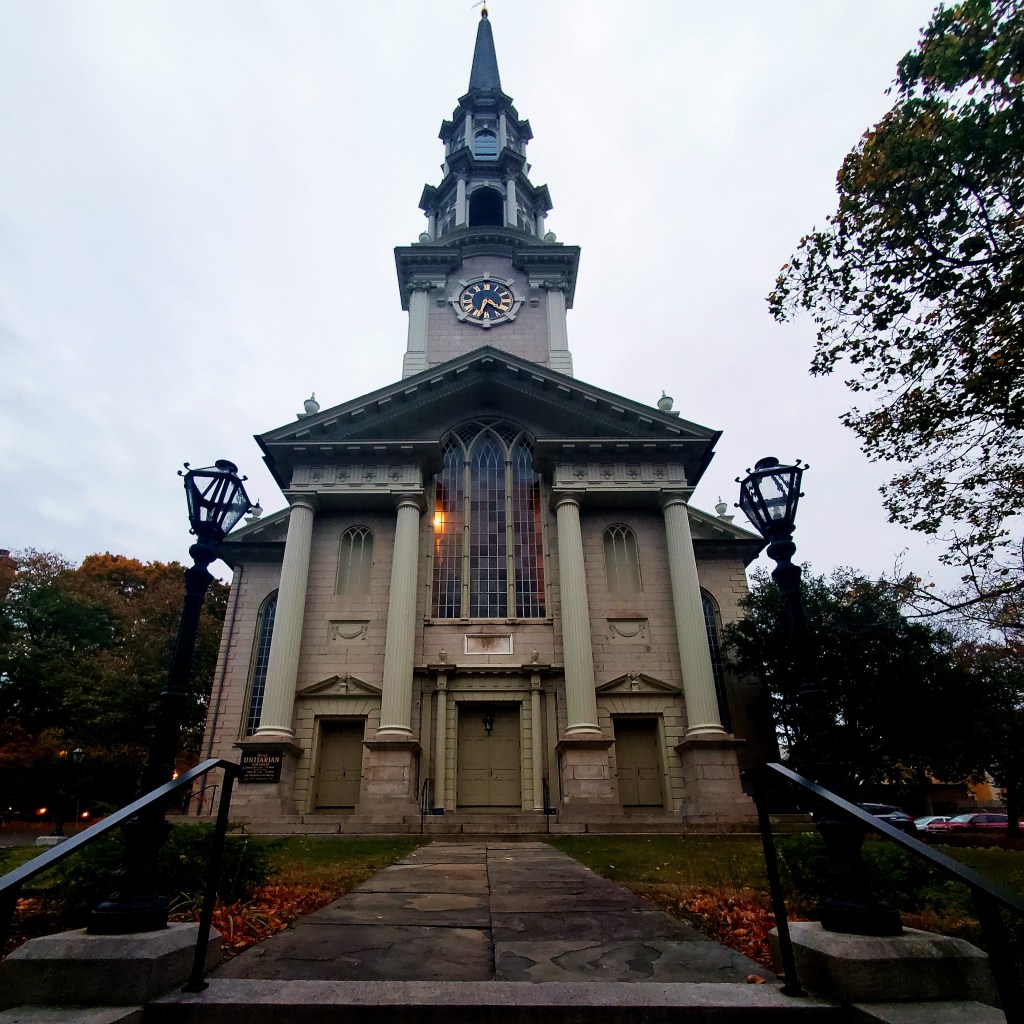
Source: Dark Passport Photography
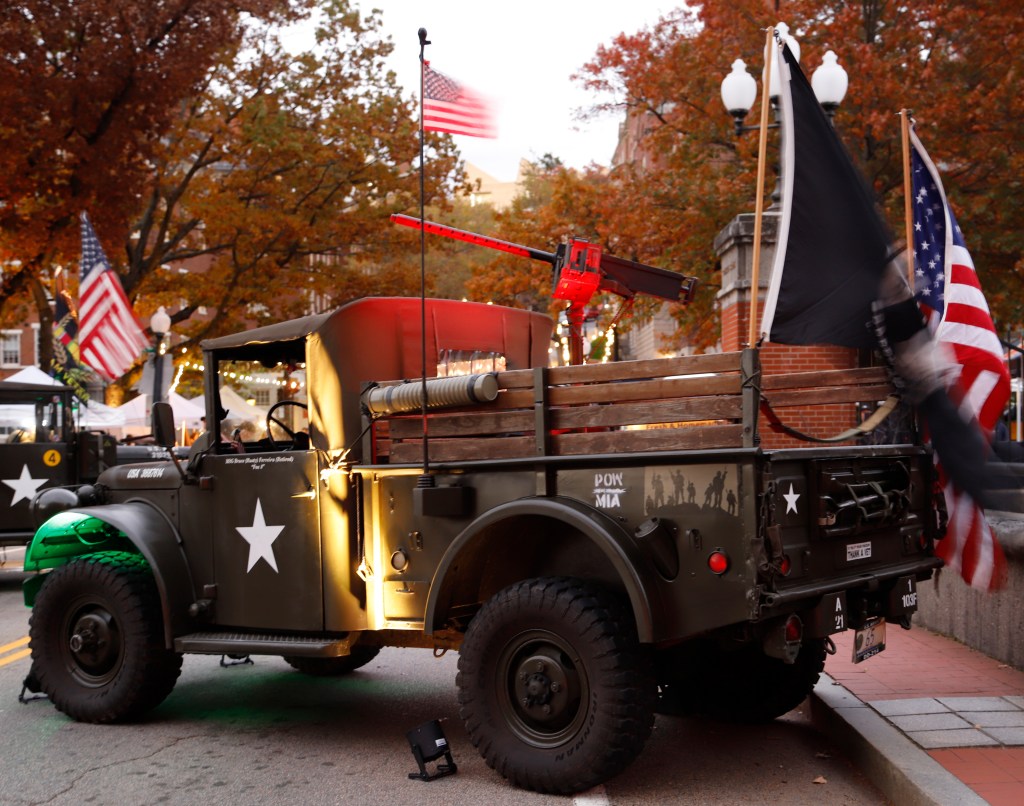
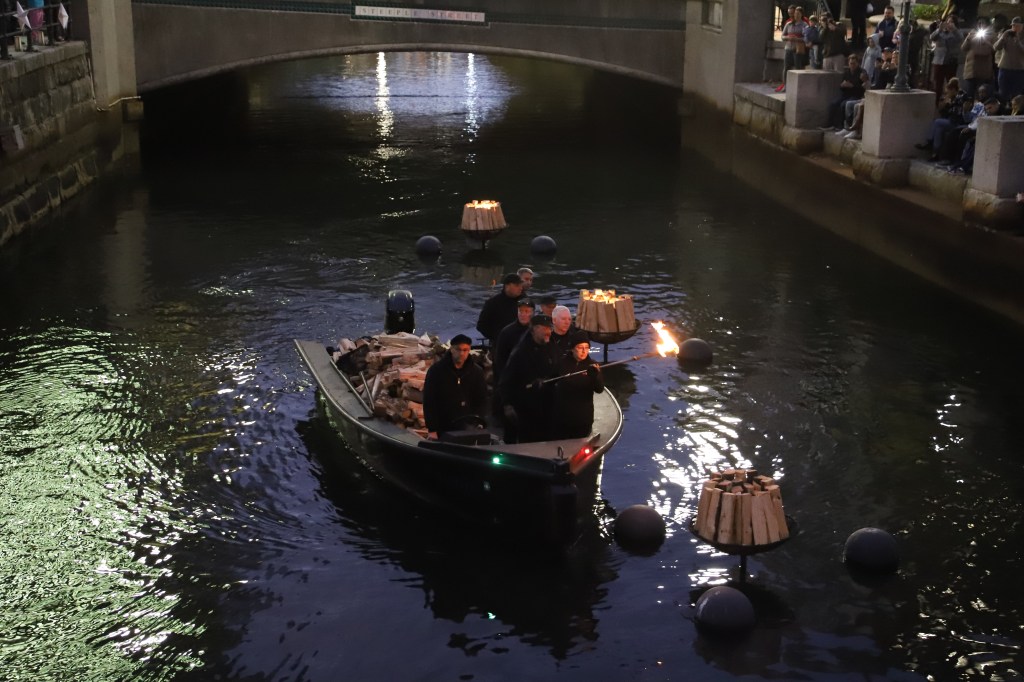
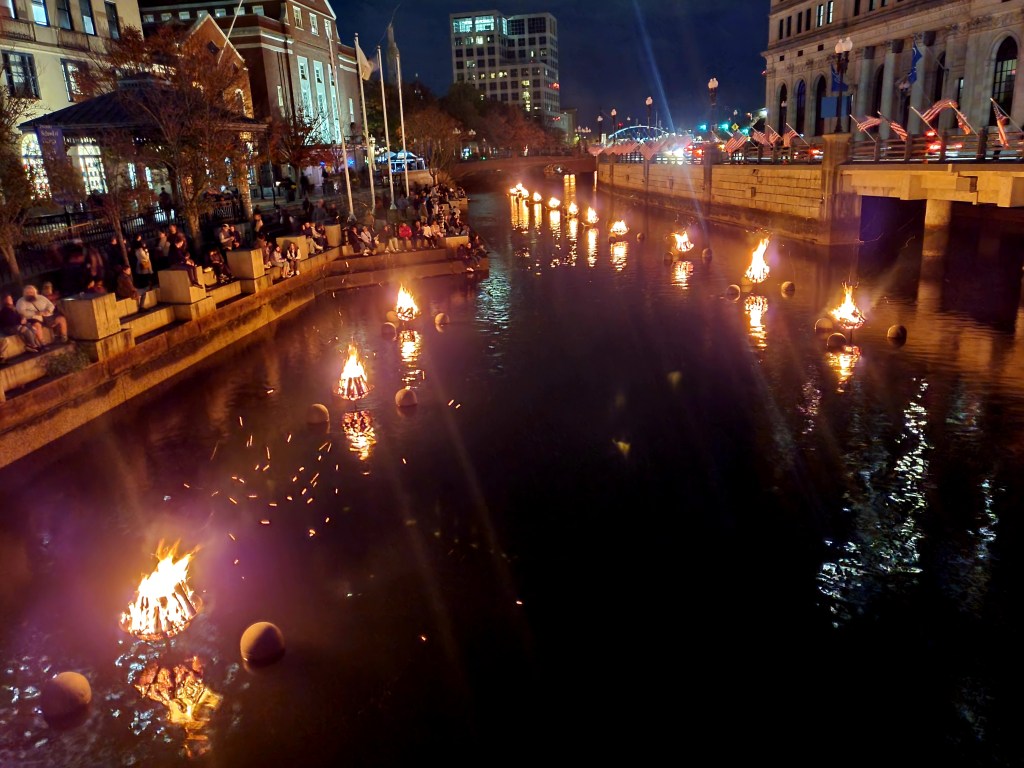
Sunset, as it happened, was exactly what I had been waiting for. Since 1994, an increasing number of braziers (now approximately 100) along the Providence riverfront have been filled with wood and set ablaze just after sundown throughout the summer and fall. The public art installation, known as WaterFire, has long since become a cultural and historical symbol of Providence, attracting hundreds of thousands of visitors per year. Lightings – the 500th of which occurred in May of 2026 – are accompanied by street vendors and arts markets while often coinciding with other major events in the city.
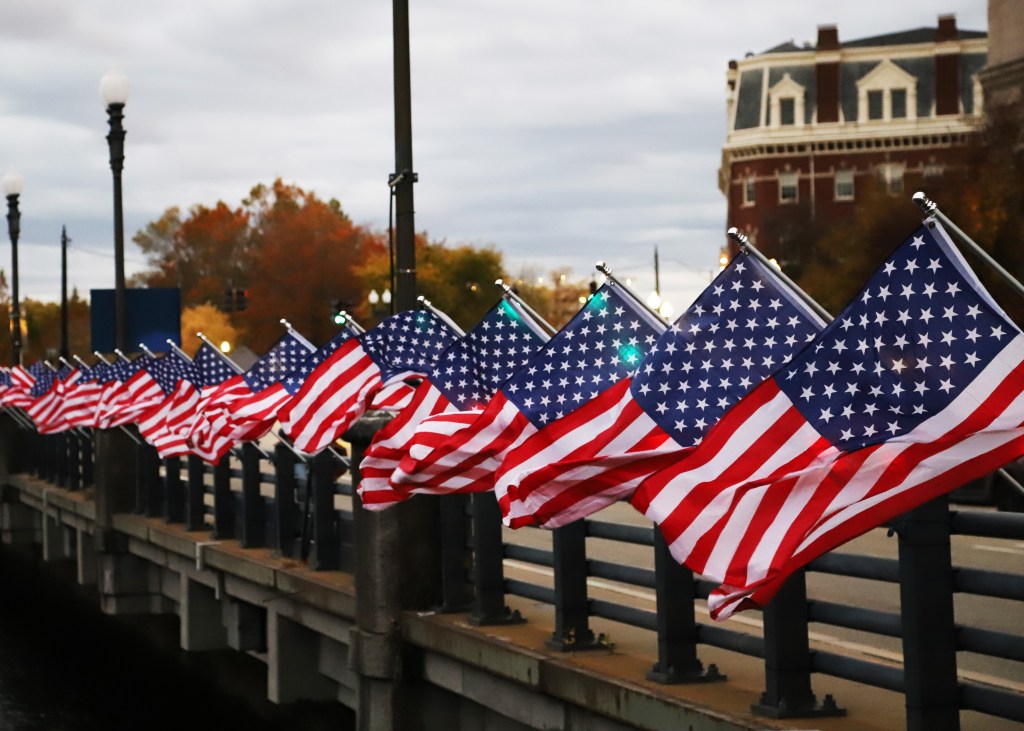
Source: Dark Passport Photography
Source: Dark Passport Photography
Source: Dark Passport Photography
Source: Dark Passport Photography
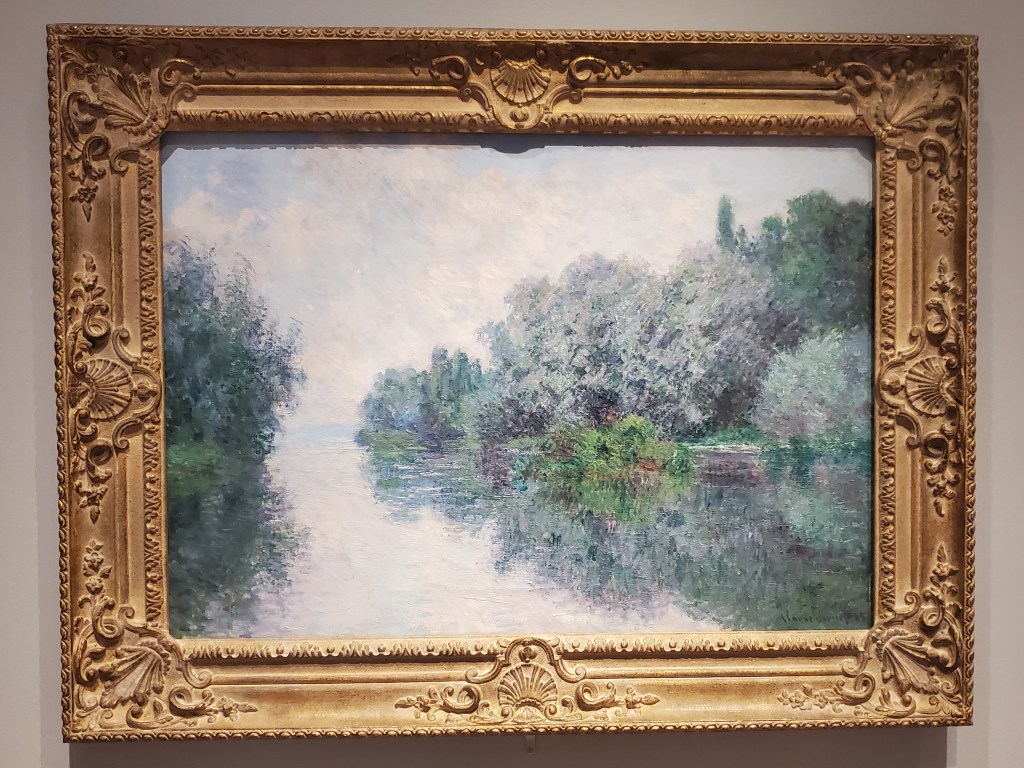
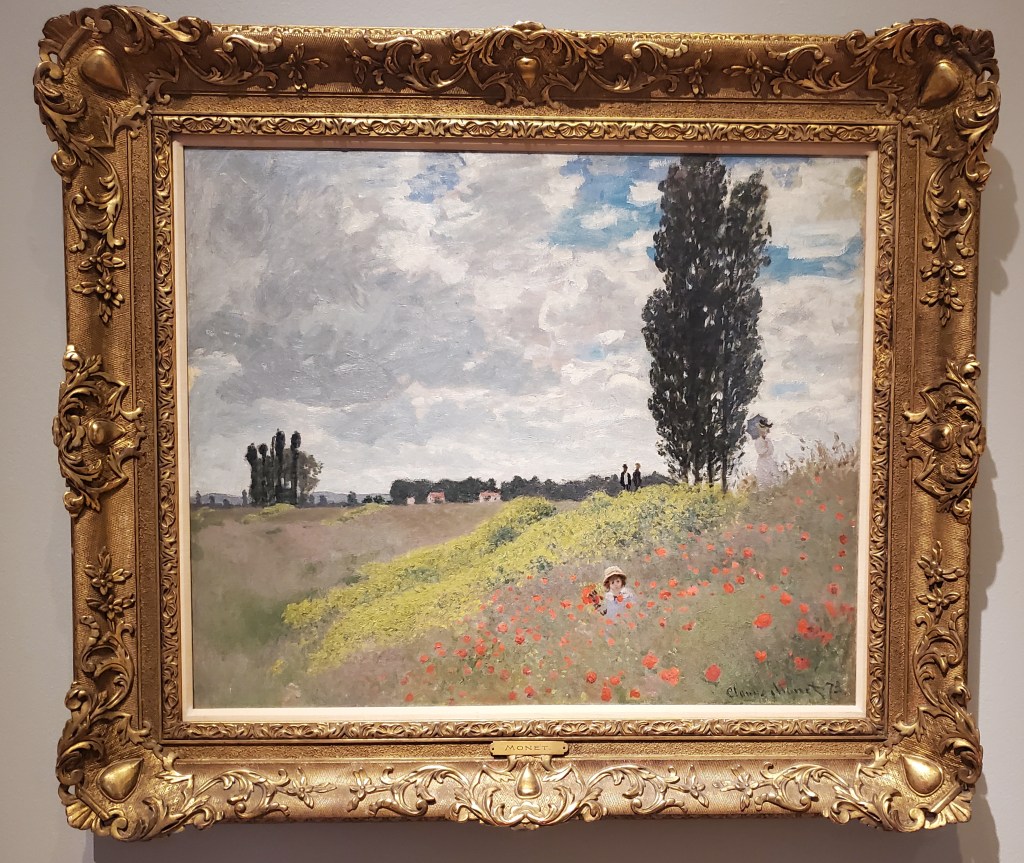
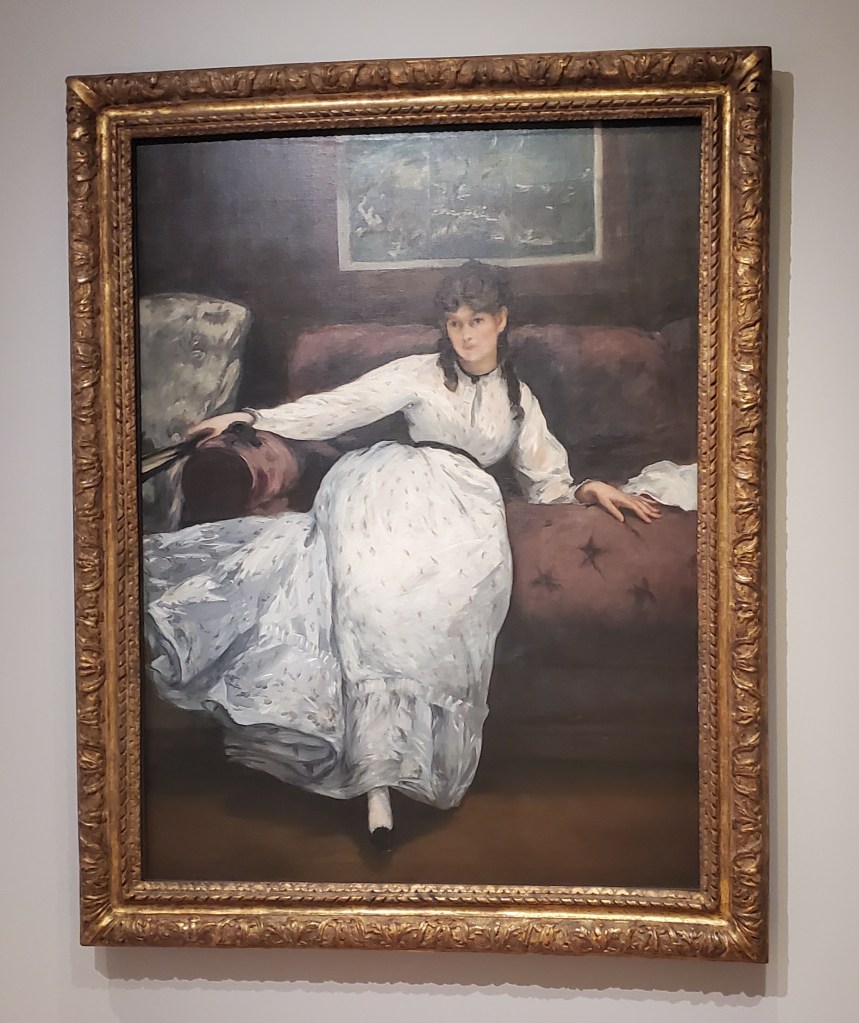
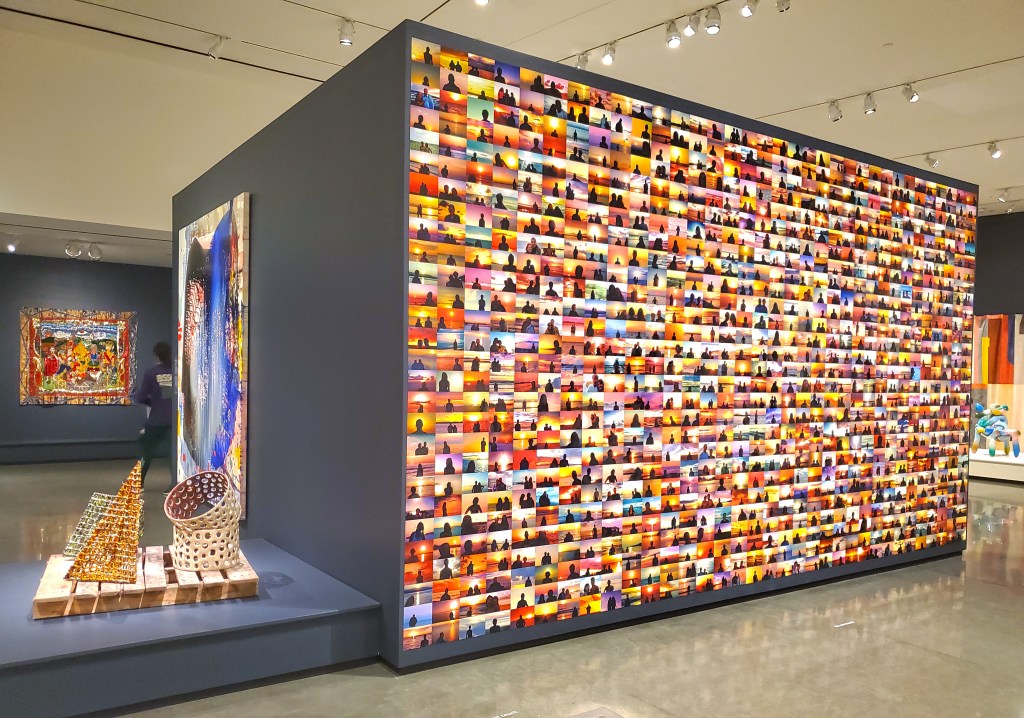
Rhode Island might be tiny, but Providence had more to offer than would could be explored in just one day. The morning after WaterFire, the next stop was the renowned Rhode Island School of Design (RISD) was one of the first art and design schools in the United States. Naturally, the college – which was founded in 1877 – has a wonderful art museum. Seeing original works from Monet and Manet in-person was an unexpected surprise.
Source: Dark Passport Photography
Source: Dark Passport Photography
Source: Dark Passport Photography
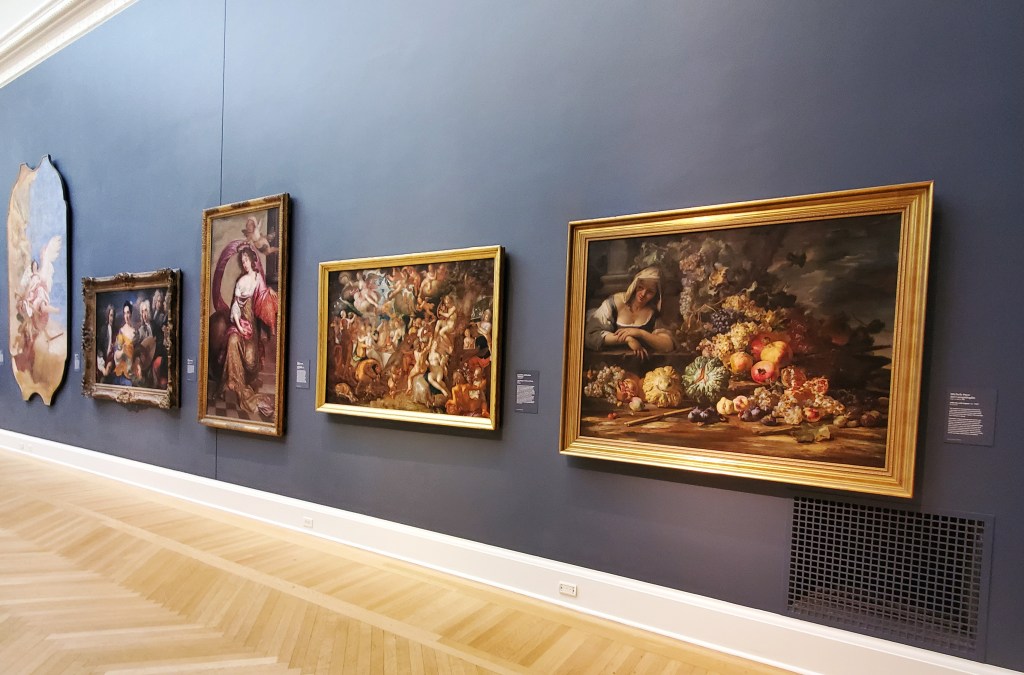
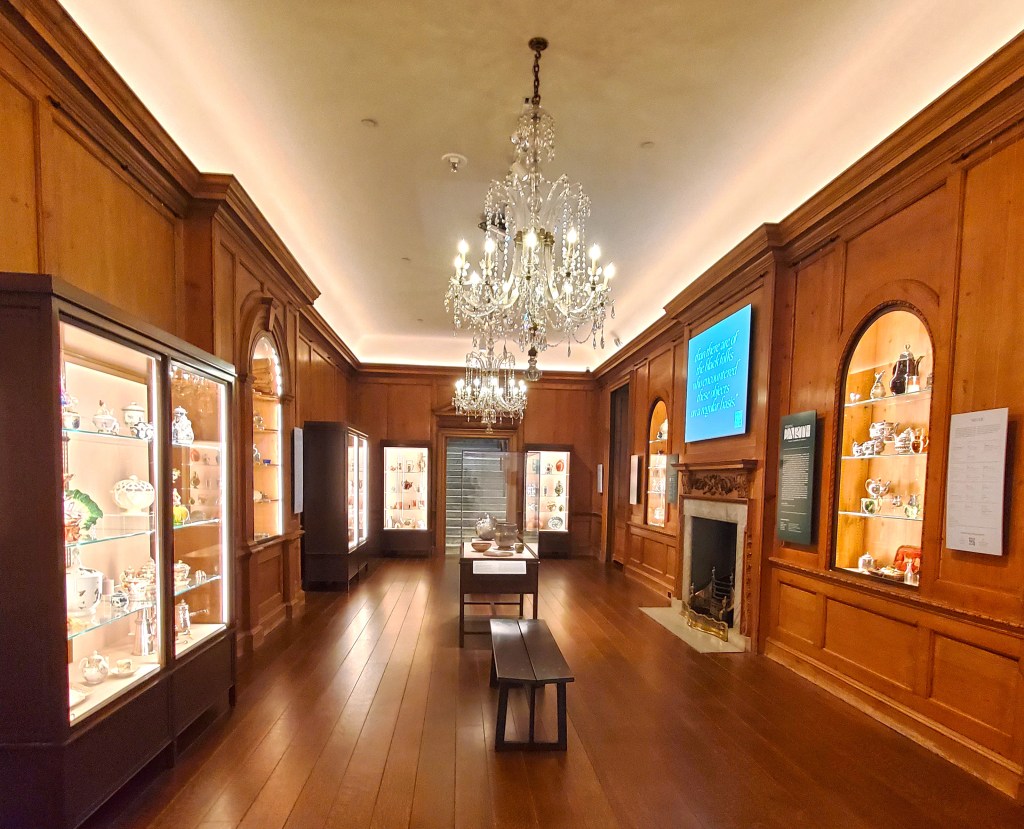
Famous 19th century French paintings are only one part of the RISD Museum. One large room had striking blue walls with a white ceiling and wooden flooring to contrast with the hung paintings. The wood paneled Ceramics Gallery, with its ornate pieces backlit by cabinets in the same room as a fireplace and chandeliers, felt more like a house than a museum. Meanwhile some of the upper floors were much more modern. I did find the museum to be quite confusing to navigate – even with the aid of signs and a map – because it is comprised of six separate interlinked buildings of varying heights.
Source: Dark Passport Photography
Source: Dark Passport Photography
Source: Dark Passport Photography
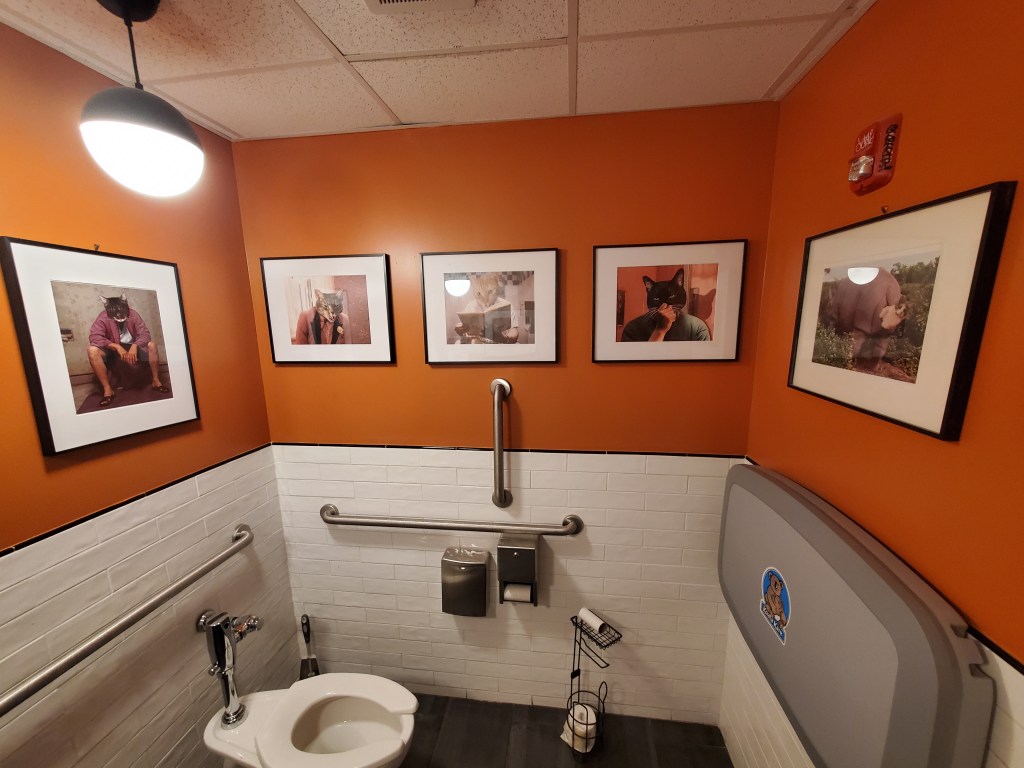
Stopping for lunch, I could not help but laugh at the contrast in excellent pieces of art at RISD Museum compared to the pictures hung in the bathroom of a local restaurant. The experience was very…Providence.
Source: Dark Passport Photography
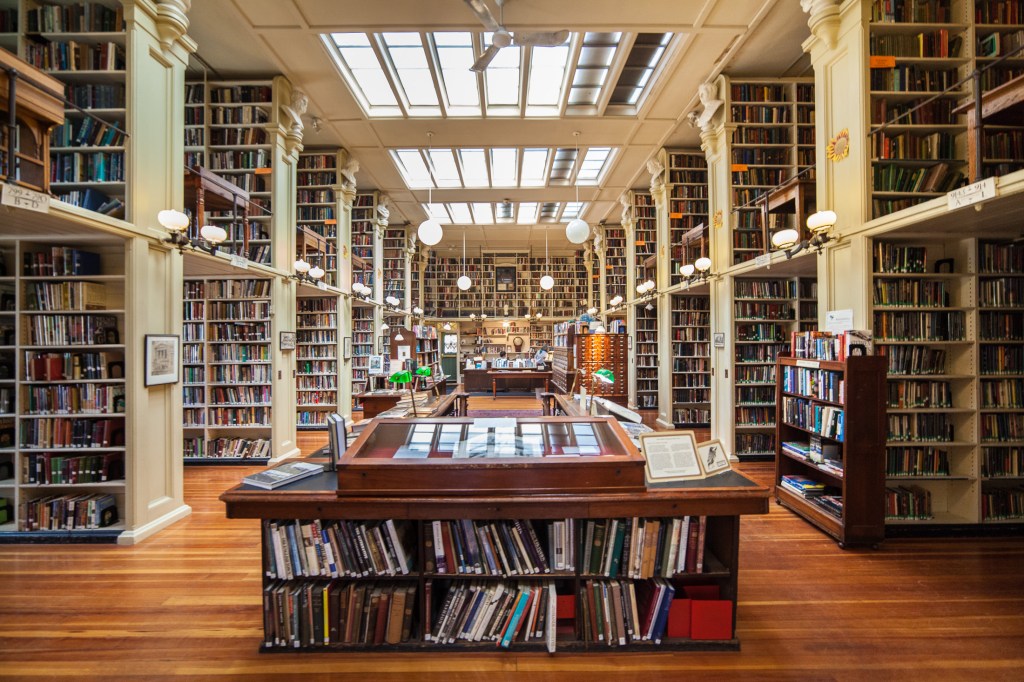
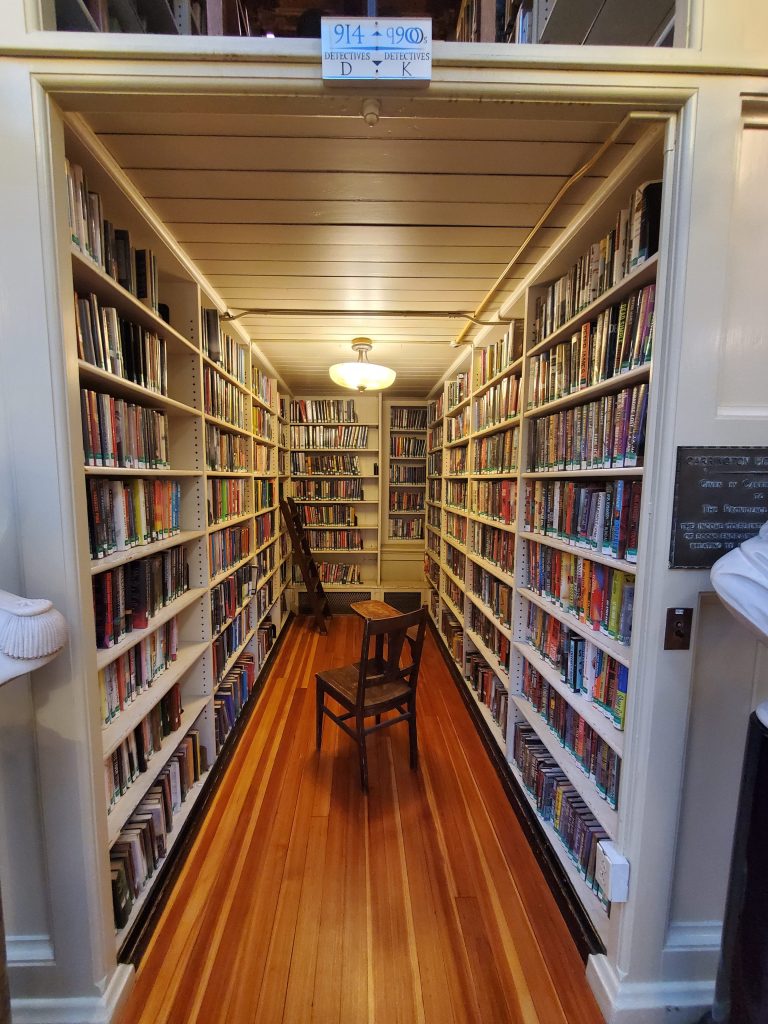
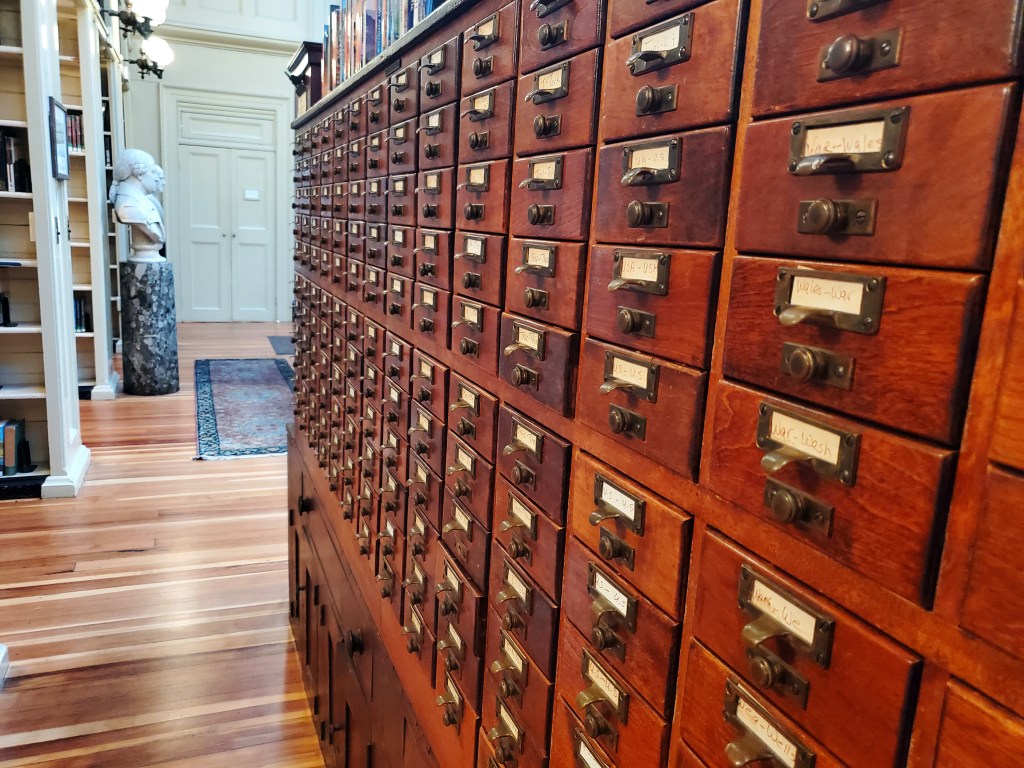
A unique stop that should be on any Rhode Island sightseeing list is the Providence Athenaeum. At its current location on Benefit Street since 1838, the Athenaeum is an independent library that is a bibliophile’s happy place. An estimated 175,000 books line the cramped cases that are guarded by a pantheon of busts to include Homer and Socrates. Although no longer in active use, the original handwritten card catalog is available to thumb through. Short wooden ladders are propped randomly against the shelves for the hard-to-reach titles. Small chairs and bureaus occupy the aisle ends where lone readers wonder if perhaps Edgar Allan Poe once sat in the same nook during one of his handful of visits to the repository.
Source: “Providence Athenaeum interior 2013” by Kenneth C. Zirkel is licensed under CC BY-SA 3.0.
Source: Dark Passport Photography
Source: Dark Passport Photography
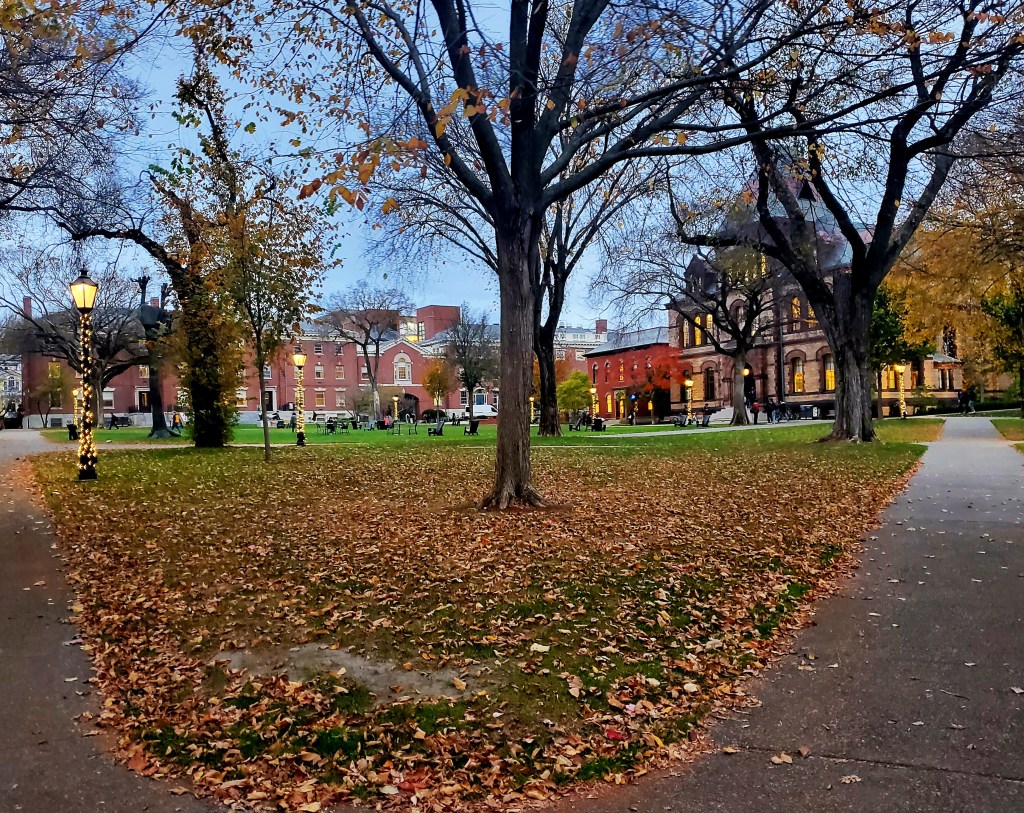
All are welcome at the Providence Athenaeum, although non-members may wish to make a small donation of an amount of their choosing ($5 is common) upon entry. The library is located on the edge of the Brown University campus in the College Hill neighborhood. Brown, an Ivy League school originally founded in 1764 under a different name, is considered one of the original “colonial colleges” as it is the seventh-oldest higher education institute in the United States.
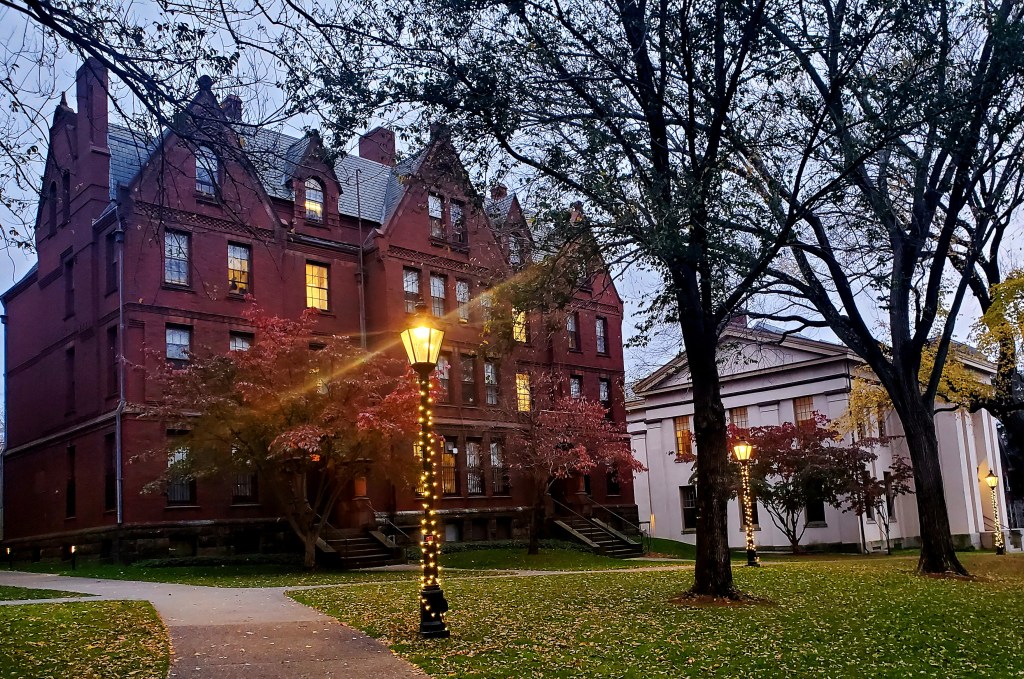
Although the campus is more than 140 acres in total, the footprint shrinks to a very walkable size for visitors willing to skip the more mundane quadrangles and large athletic facilities. Main Green is the focal point and quintessential open green space for students to gather. It is flanked by University Hall and other historic buildings from the 1700s-1800s.
Source: Dark Passport Photography
Source: Dark Passport Photography
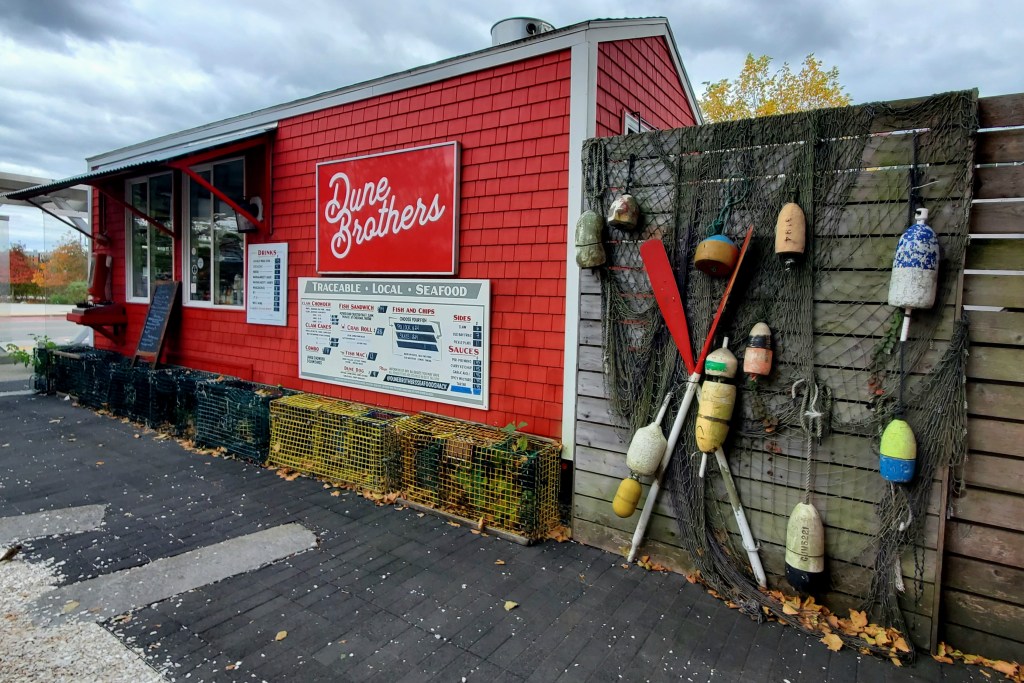
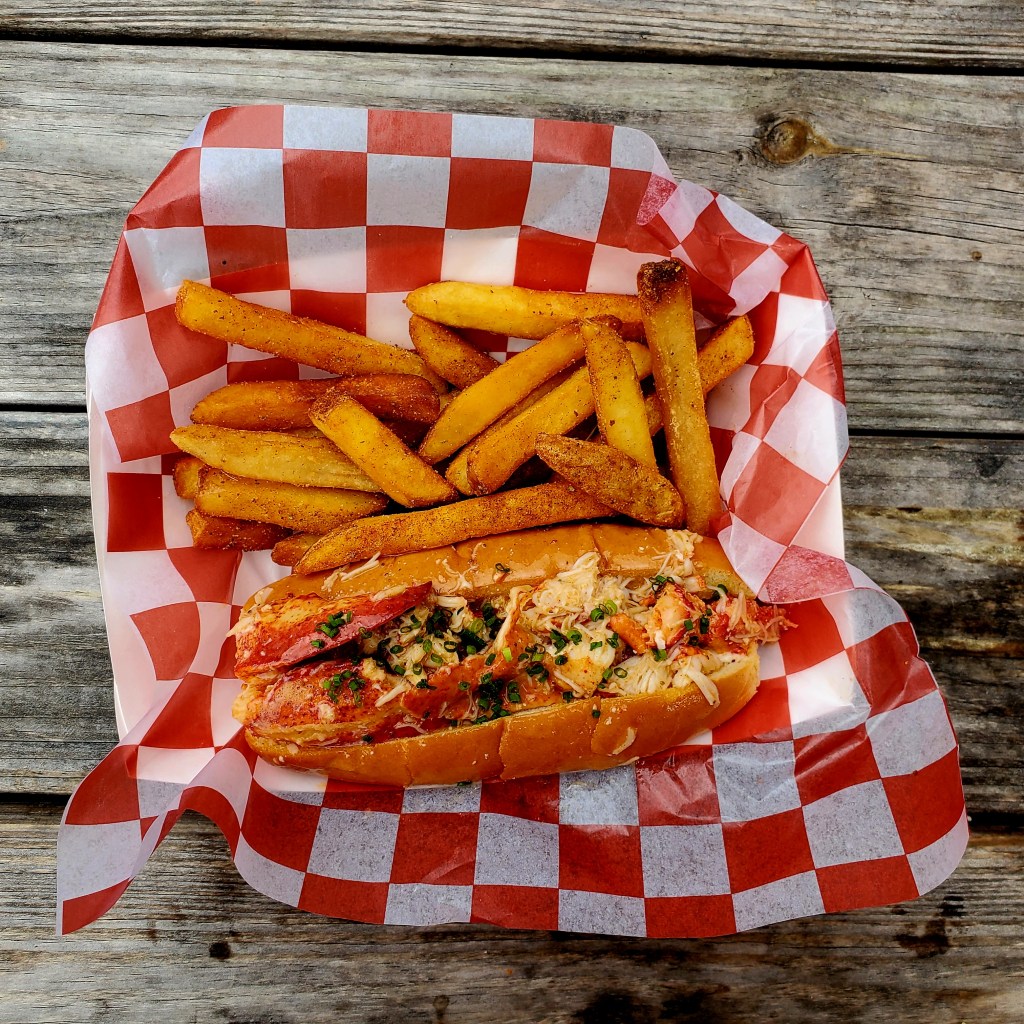
Anyone who knows this blog also knows to expect a food stop when there is so much walking involved. In this case, it was Dune Brothers – specifically their “Providence Shack” location – for seafood. It is the type of place locals recommend to out-of-towners. As of this writing it had 4.6 stars on Google with 1,100+ reviews and 4.5 on Yelp. I assume the only reason it wasn’t ranked higher is because of the cost. One lobster roll with fries and no drink will run you north of $40. There were other less expensive items on the menu though.
Source: Dark Passport Photography
Source: Dark Passport Photography
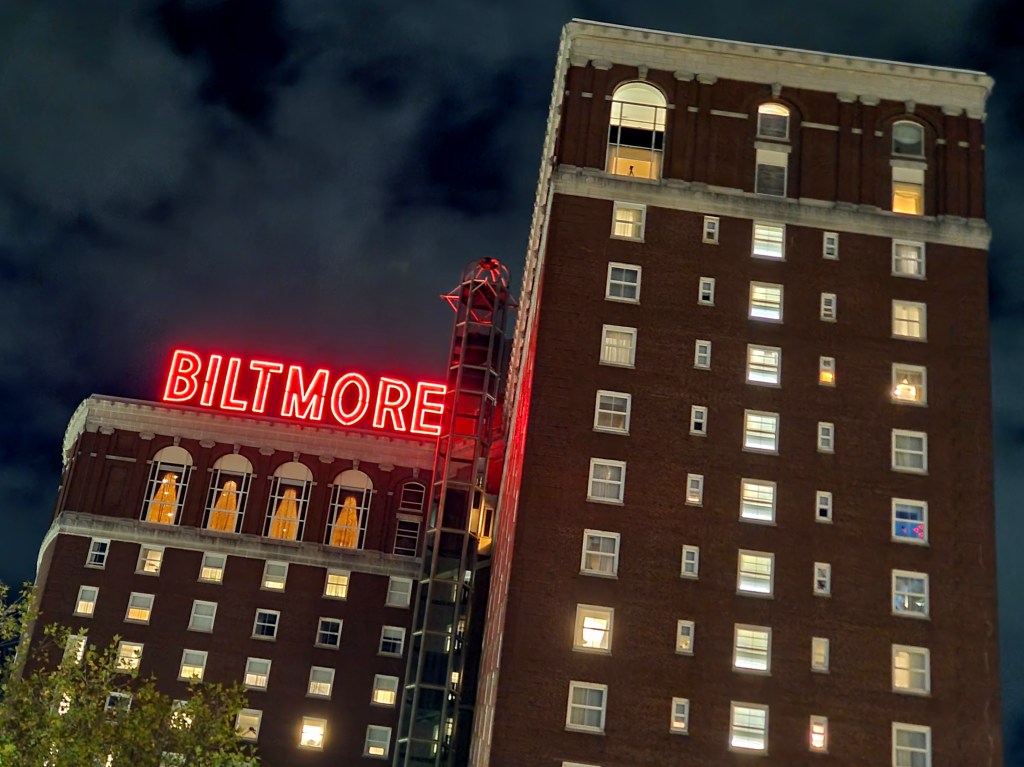
Exploring, admiring, learning, and eating. My favorite travel boxes checked. What is left to do besides go back to the hotel, take one last look out the window of whatever new city I’m in, and fall asleep in yet another unfamiliar bed?
Source: Dark Passport Photography

