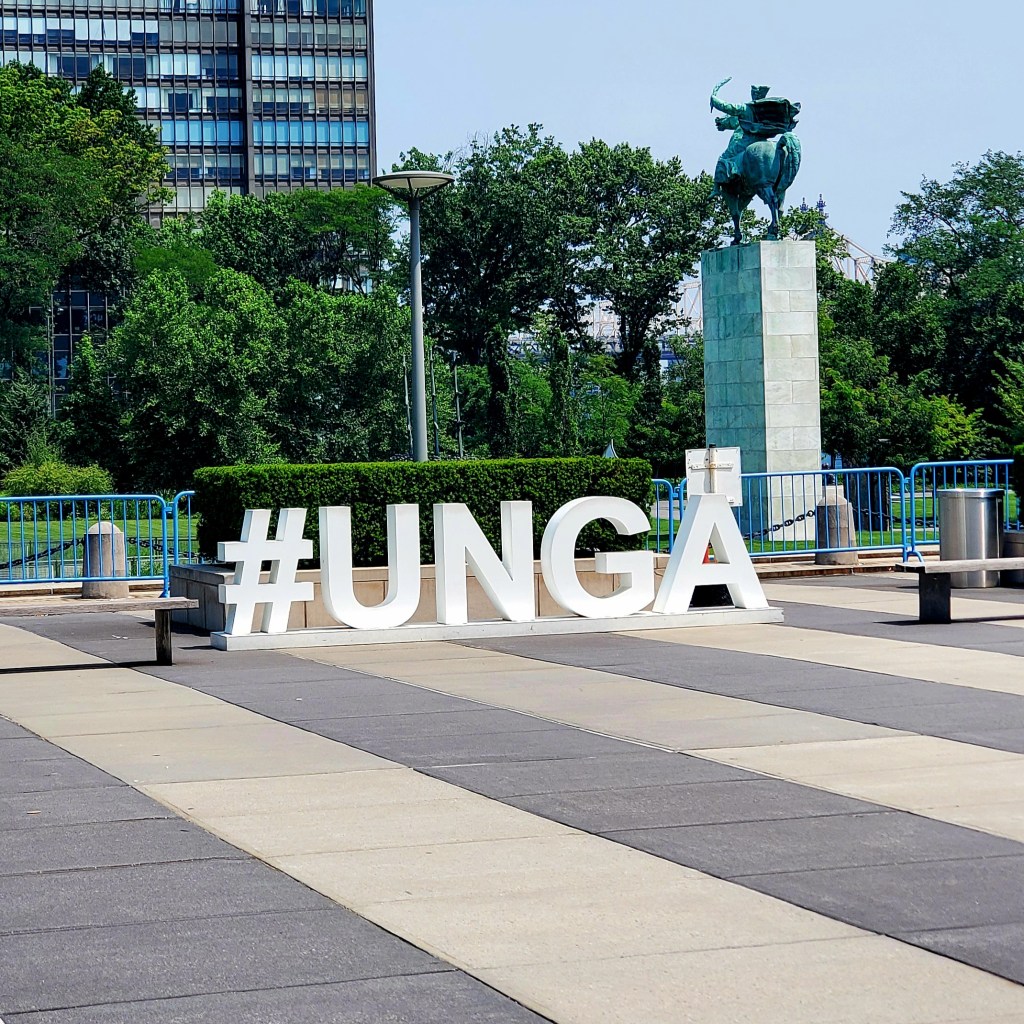
In September 2023, my coworkers and I experienced our first United Nations General Assembly (UNGA). To those unfamiliar with the foreign affairs conference that takes place annually in New York City, I wrote in Blog #27 about the opportunity I was given to explain the event to a curious young man and his family while standing on a Manhattan sidewalk. At the time, new to this unique career and the lifestyle that comes with it, I was just as full of questions as the boy I was providing an impromptu social studies lesson to. Two years later in 2025, we found ourselves at the “Super Bowl of Diplomacy” yet again, this time with increased levels of experience and responsibility.
Source: Dark Passport Photography
UNGA is billed as the “world’s most important meeting”. Technically, the General Assembly is an ongoing session comprised of many smaller meetings that run each year from September to the following September. However, the term “UNGA” is most commonly applied to the week of high-level meetings and General Debate taking place during the opening days of each new session; normally the third week of September. Contrary to the small meetings attended by ambassadors and their deputies throughout the year, UNGA draws from the cabinet level and above. Foreign ministers, prime ministers, vice presidents, presidents, kings and queens can be seen motorcading throughout New York City on their way to and from UN Headquarters as the weather cools and leaves begin to change.
Source: Dark Passport Photography
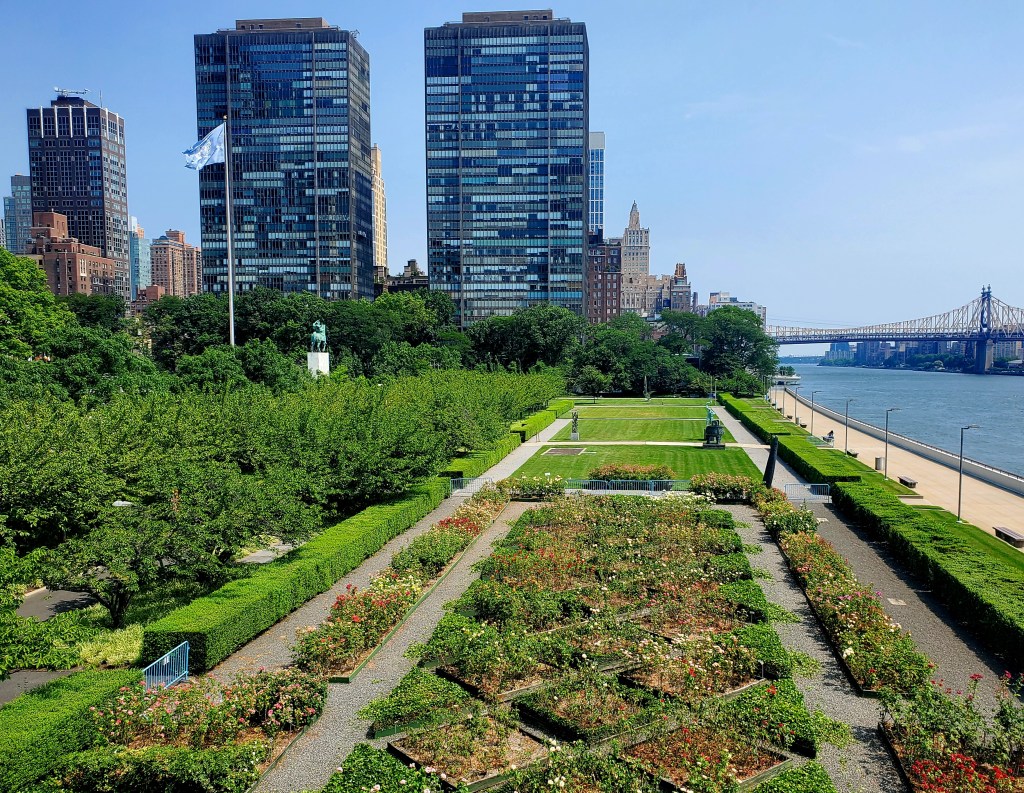
I figured since we are all familiar with UNGA thanks to Blog #27, I would go a step further this year and take you inside with me to see my favorite part of any special event: the setup. The calm before the storm, as the beginning phase of any major undertaking is often called, has always been cherished by me. Most people don’t get excited at special events until the gates open, the lights dim, thousands of guests flood into the grounds, and the show begins. For me though, it’s all about what happens behind the scenes during the run-up. Being in an empty venue as part of the setup team is like being an artist with a blank canvas. It’s silent, calm, and restricted only to those who need to be there. The masters of their trade respectfully mind their own business as they each have their own jobs to do. Watching such a situation unfold is like living in a real-life flipbook because every few minutes another layer is complete and the site becomes that much closer to being ready.

Source: Dark Passport Photography
Source: Dark Passport Photography
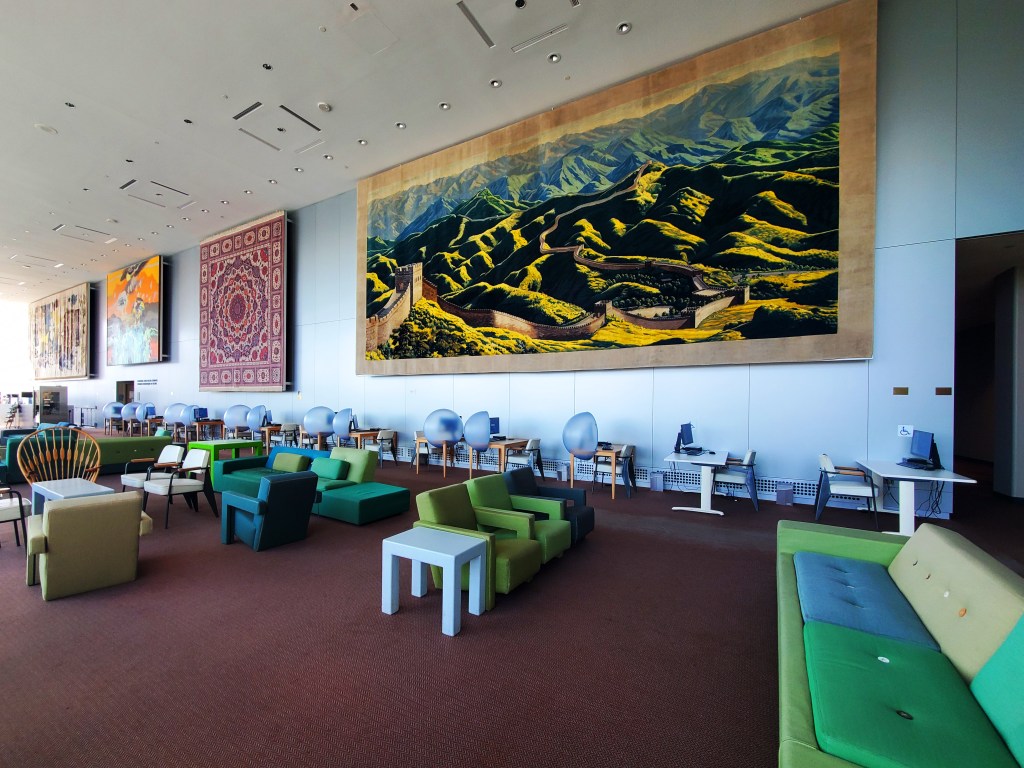
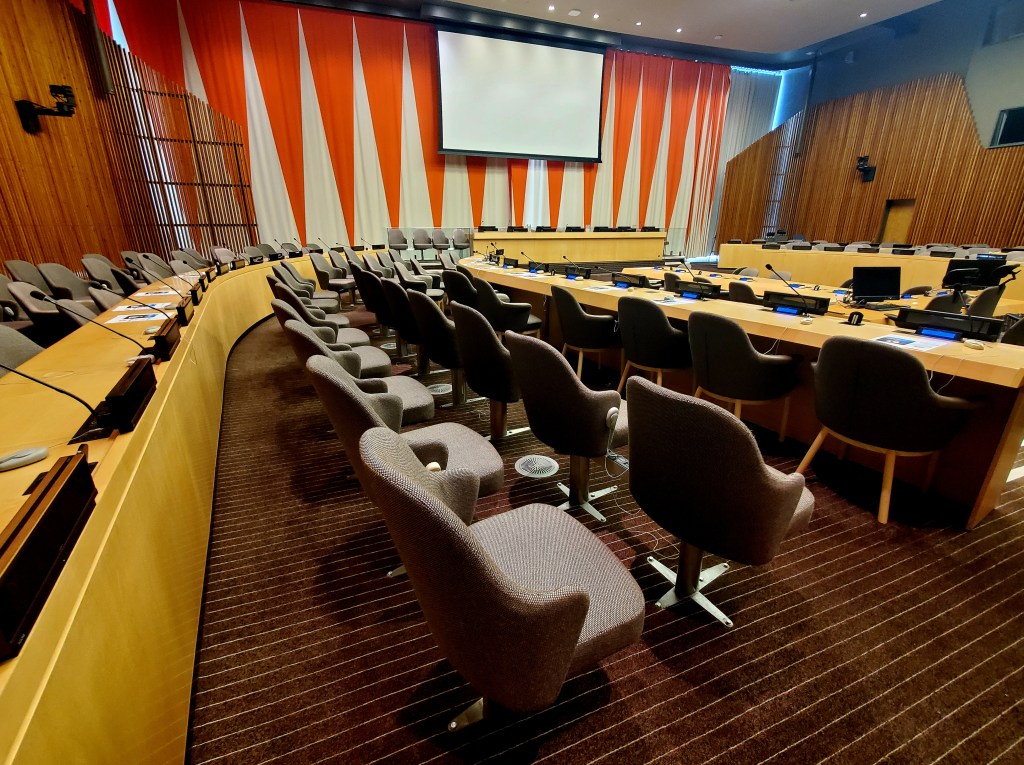
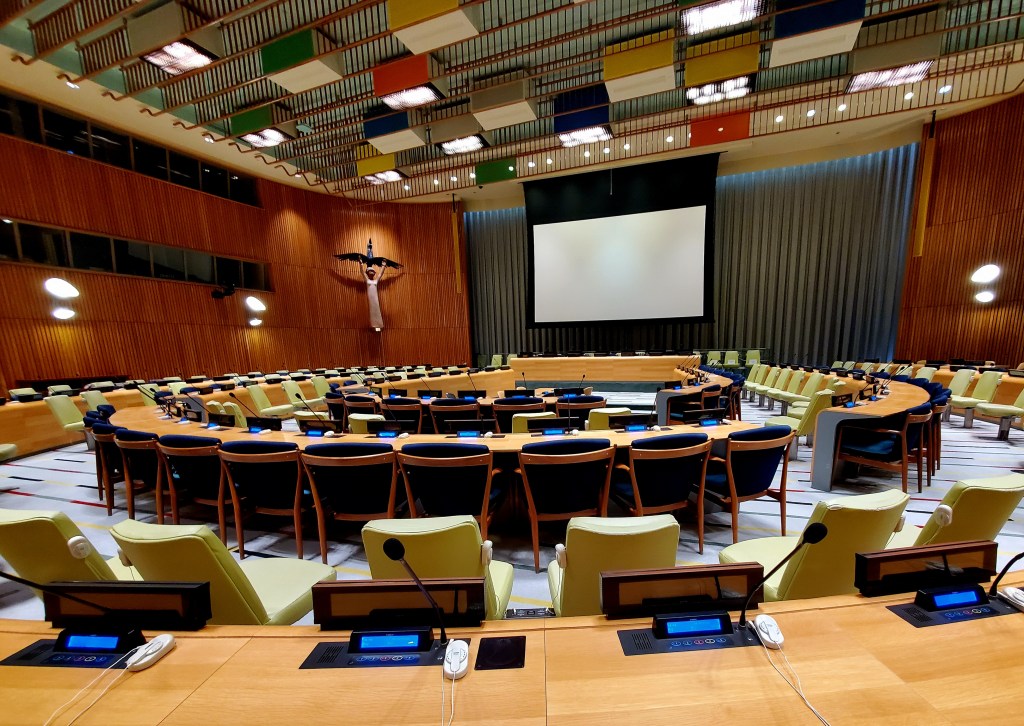
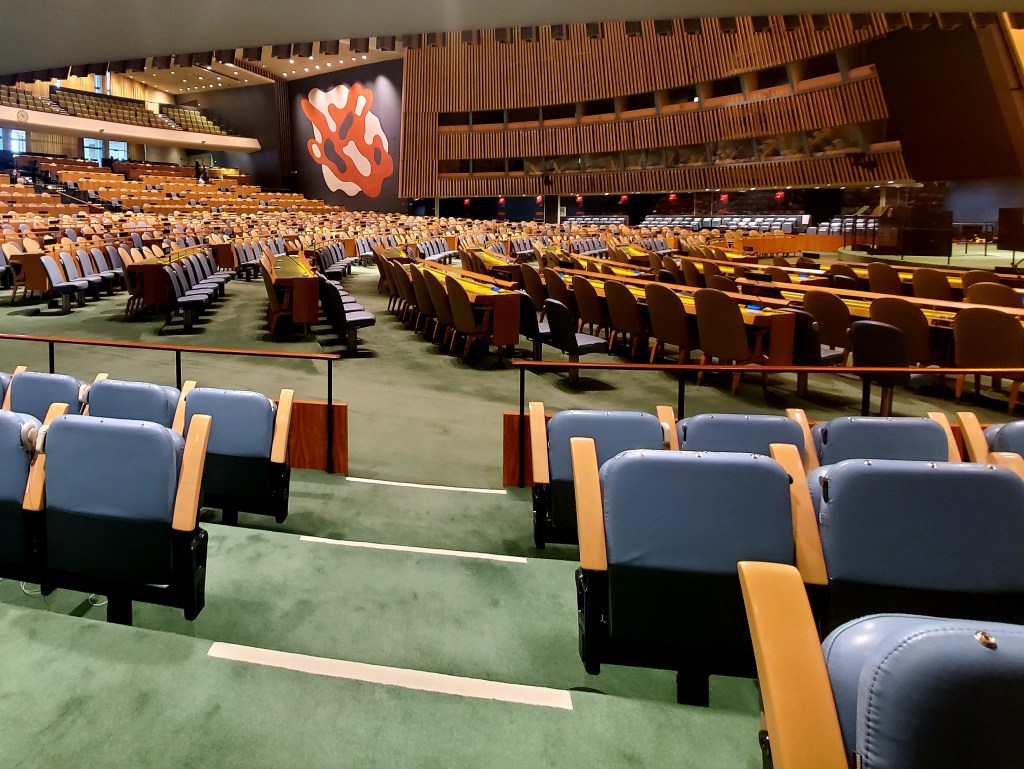
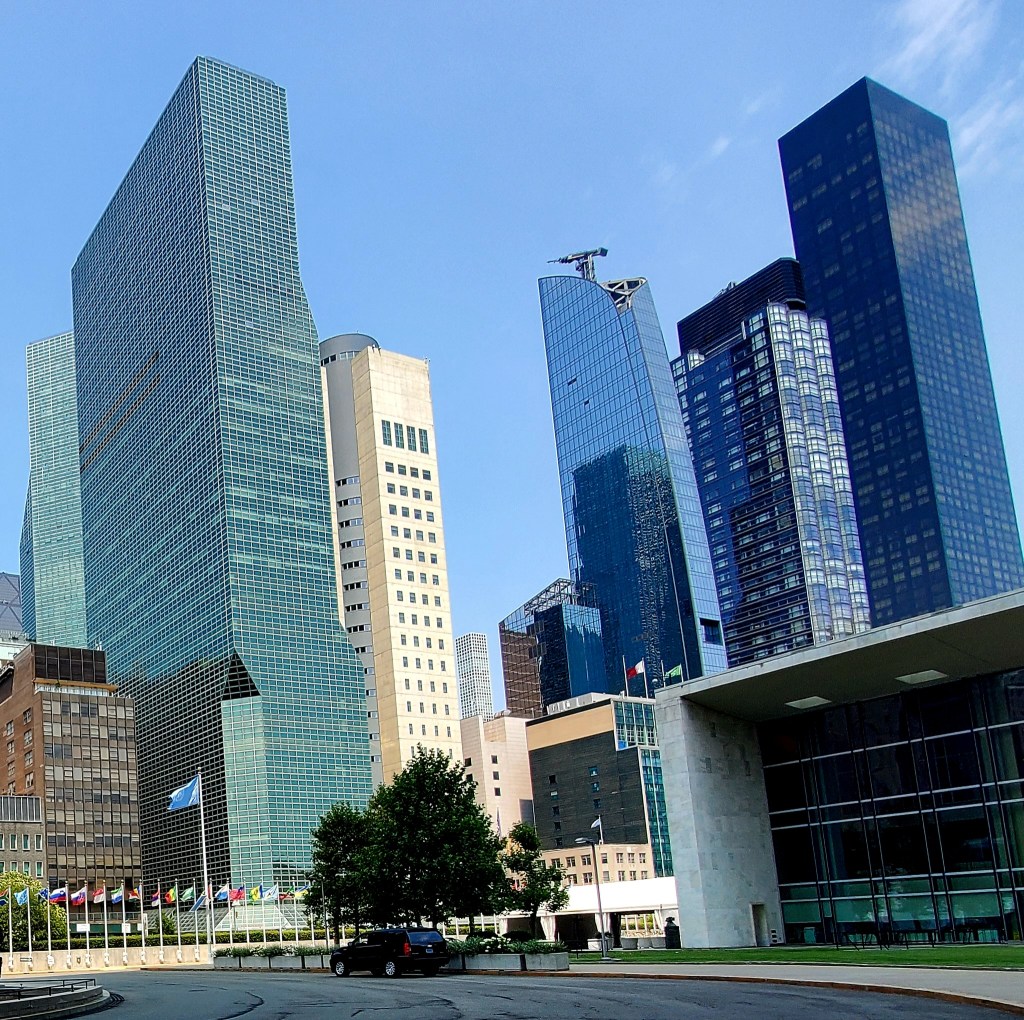
The United Nations Headquarters consists of three main interconnected buildings: the Secretariat, the Conference Building, and the General Assembly Building. The 39-story Secretariat Building is where the executive offices are located, including that of the UN Secretary General. On the backside of the Secretariat is the Conference Building which contains the chambers of the Economic and Social Council, the Trusteeship Council, and the Security Council. Connected to the Conference Building by the Second Floor Flag Hall (pictured above) is the General Assembly Building which houses the famous 1,800-seat General Assembly Hall.

Source: Dark Passport Photography
Source: Dark Passport Photography
Source: Dark Passport Photography
Source: Dark Passport Photography
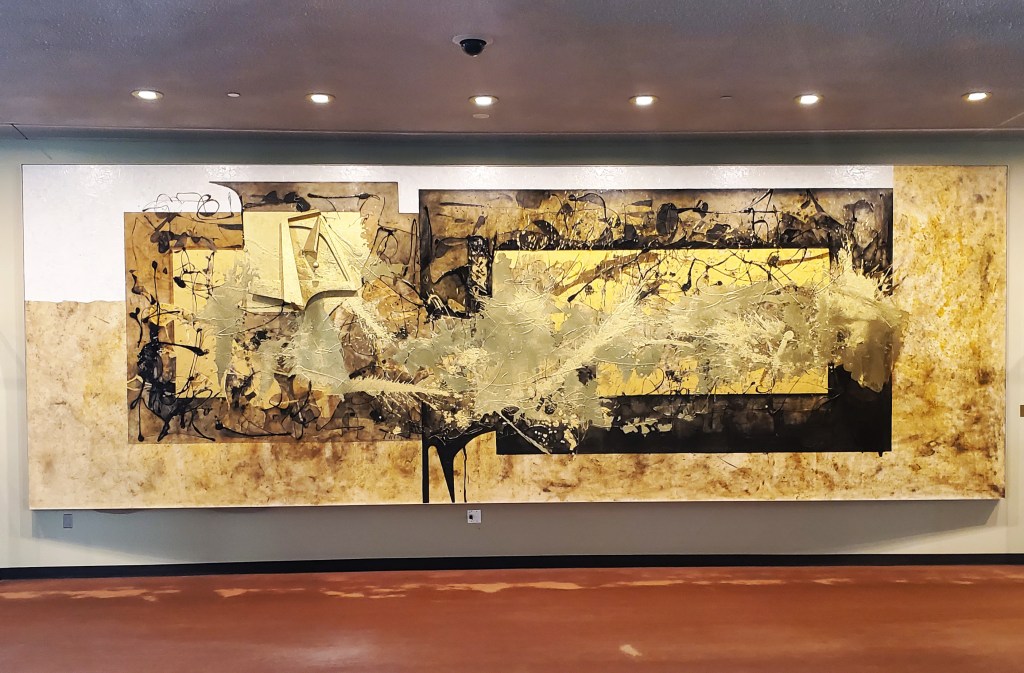
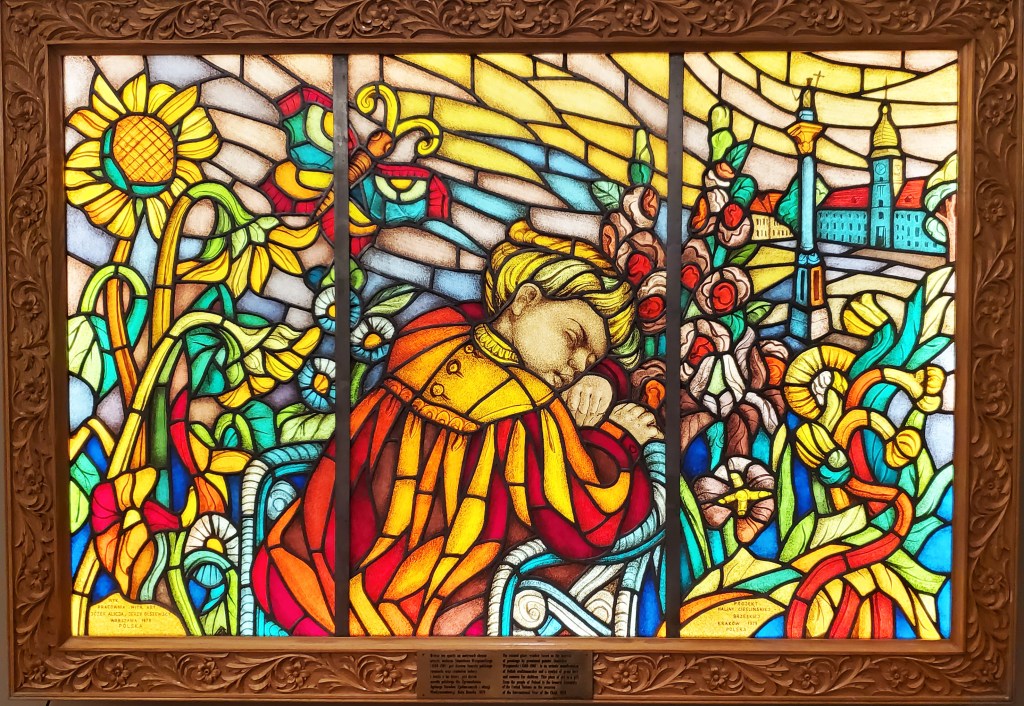
If the United Nations complex sounds confusing, navigating it is correspondingly befuddling. The campus, comprised of interconnected sections of buildings designed by different architects, has a way of inflicting annoyance on those attempting to conduct business within it. Anybody who has ever worked or studied in an environment planned with progressive aesthetic priorities rather than practical applications knows this feeling well. No points of interest are conveniently located near each other, there is lots of dead space, and architectural features double as obstacles. The blueprints must look like they were drawn by the same artists who created many of the pieces on display within the buildings themselves.
Source: Dark Passport Photography
Source: Dark Passport Photography

Source: Dark Passport Photography
For all of its glamour and historical relevance, the United Nations remained in a contentious state at the close of UNGA 80. The United States Secret Service opened an investigation into multiple instances of possible sabotage during President Trump’s visit. The most significant issues addressed during UNGA 79 were still very much unsolved a full year later, leaving many to wonder what relevance and influence the organization still has. Ukrainian President Volodymyr Zelenskyy remarked during the UNGA 80 Security Council, “We must admit: the world’s attention to the UN is fading. The organization has less influence, and too often there is a lack of real decisions on fundamental issues. This is exactly what we need to speak about today; about the tools that, sadly, are not working now.” Thankfully, my job is not to audit the United Nations for effectiveness. I was only there to help ensure a safe UNGA. And to that extent, we were largely successful. I look forward to the day when I can visit the United Nations without an ongoing war or threat of terrorism.
Source: Dark Passport Photography

Source: Dark Passport Photography
A picture of me at UNGA was added to the private gallery on 9/29/2025.
 The Dark Passport