One or two pages worth of an internet query and it’s easy to understand why nearly 10,000 tourists flock to a town of barely 800 residents on a daily basis each summer. The fairytale Austrian village of Hallstatt has quite the reputation: “The most beautiful village in the world”, “One of the world’s prettiest places”, “The most Instagramable town in the world”, “One of the most photogenic lakeside towns”, and “The most beautiful town in Europe”. Hallstatt is said to have inspired the Kingdom of Arendelle in the hit Disney film “Frozen” (something the filmmakers refute). Years prior, the picturesque lakeside town was the setting for the final series in a popular multi-part South Korean “K-drama” that spread all throughout Asia. Fast forward to the recent worldwide booming trend of a person’s happiness level being directly dictated by the number of likes and followers on their Instagram, and it becomes quite clear why the tourism in Hallstatt is in its current state of chaos.

Full-size photo can be seen at Dark Passport Photography
In Blog #17: The Perfect Storm Part I, there was an admission of failure on my part by attempting to visit Salem, Massachusetts on Halloween in 2021. It was a miserable, shoulder-to-shoulder time in a completely overwhelmed New England town. Almost three years later and about 4,000 miles away, I was experiencing the same fate in Austria. Bus after bus of Asian tourists, car after car of Western visitors. Admittedly, I was yet another body contributing to the problem. The difference was, by the time I got there, I didn’t want to be. I ended up spending almost the whole trip in my hotel room. Going outside just wasn’t worth it.
The narrow, cobbled streets flanked with imposing Baroque architecture were crowded to a molasses-slow walking pace if not an all-out standstill. The near lack of restaurants, the majority of which have poor ratings, close in the late afternoon to discourage tourists from staying for dinner. Anything that was open had an extraordinarily long line with a menu that was almost sold out. To top it off, there really wasn’t much of anything to do in the tiny little village. Hence, people just stood and sat around outside, aimlessly, oversaturating the infrastructure. It was a bizarre sight and one that the locals, very clearly, detested.

Source: Dark Passport Photography

Source: Dark Passport Photography
This level of local discontent was something I had never experienced previously during my travels. With my own eyes I saw a server at a Hallstatt restaurant shove a customer who was waiting in line for a table. No interaction had taken place between them prior to the incident. It seemed, rather, that the employee simply thought the customer was in her way. Separately, I witnessed an entire restaurant stare in shock at a manager while she screamed at a table full of people for not speaking German. It turns out, people at the table knew plenty of German, but they were having private a conversation among each other in their native language. Then there were the signs. Littered throughout the town were handwritten signs denouncing tourism. The same locals who made the signs also drove down crowded streets and tapped the tourists with the mirrors and bumpers of their cars. One of the homeowners even came out in his underwear in the middle of the afternoon and started telling people on a public street to leave the city. The whole town reminded me of that famous restaurant chain where the waiters insult you on purpose as part of the schtick. Except this was real.
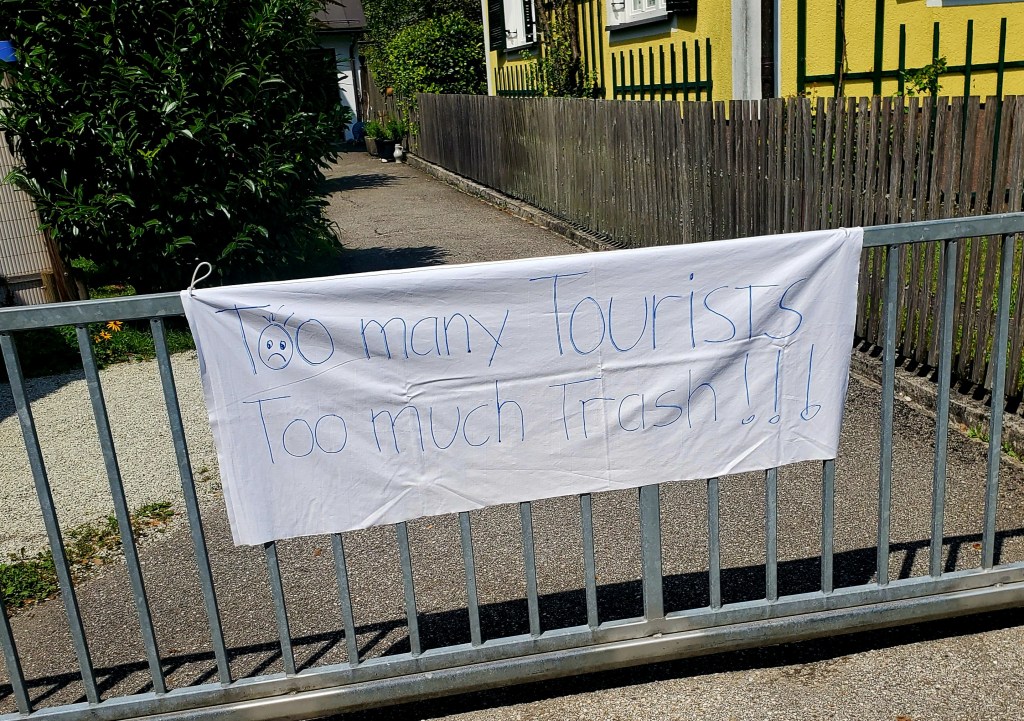
Source: Dark Passport Photography
As always, I tried to look at it from both sides. There is certainly no excuse for physically or verbally assaulting someone for being nothing other than a tourist, but I also know what it’s like to be fed up to the point of rage. The term “biting the hand that feeds” comes to mind though, because tourism is clearly keeping the town alive. What the locals claim they want to stop is overtourism, the hordes of ignorant people brought in by the busload who do nothing but take selfies and leave without spending any money. To this point, the belligerent rudeness of the populus of Hallstatt hasn’t solved their problem. Treating people like rodents in one of the most beautiful places in the world isn’t going to discourage them from visiting and getting their pictures, but it will encourage them to spend less money. In other words, the townspeople are only perpetuating their own problem by attacking it with childish antics rather than sitting down and coming up with actual solutions.
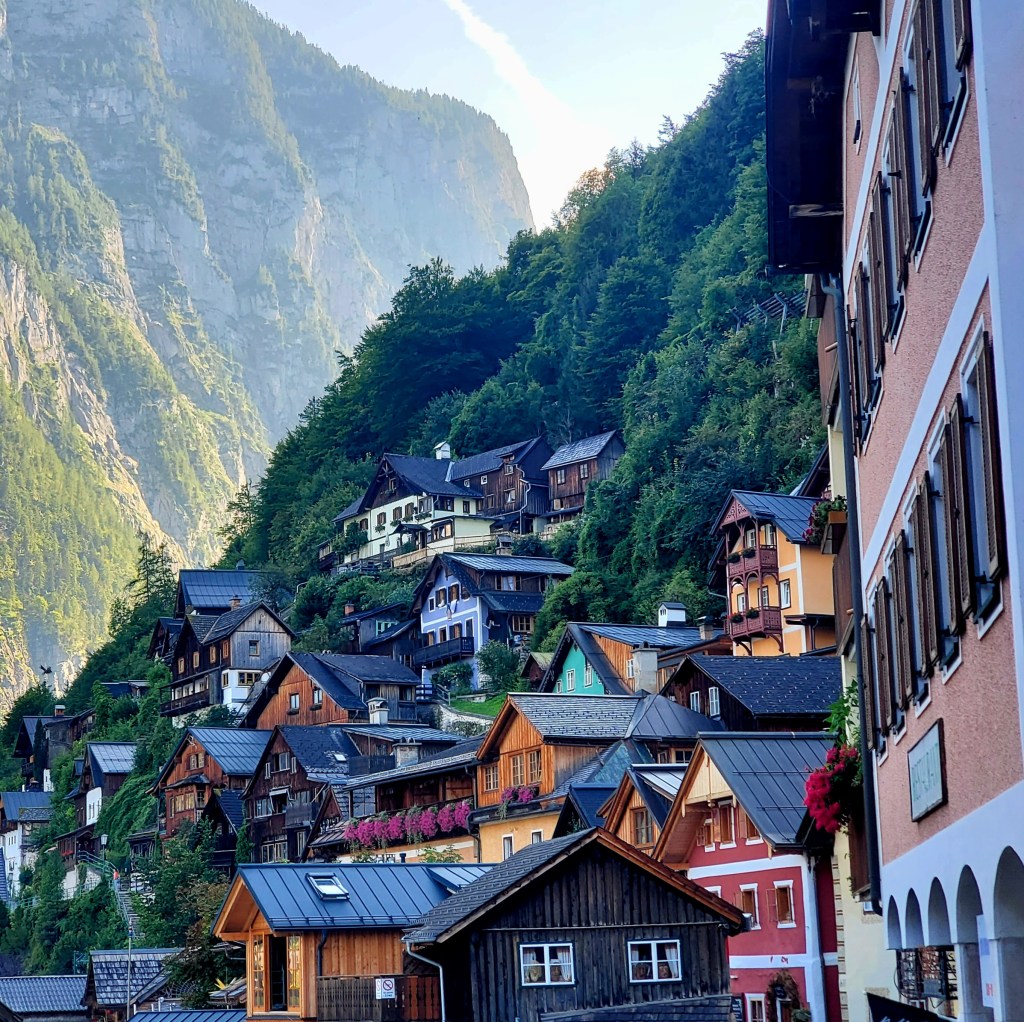
Source: Dark Passport Photography
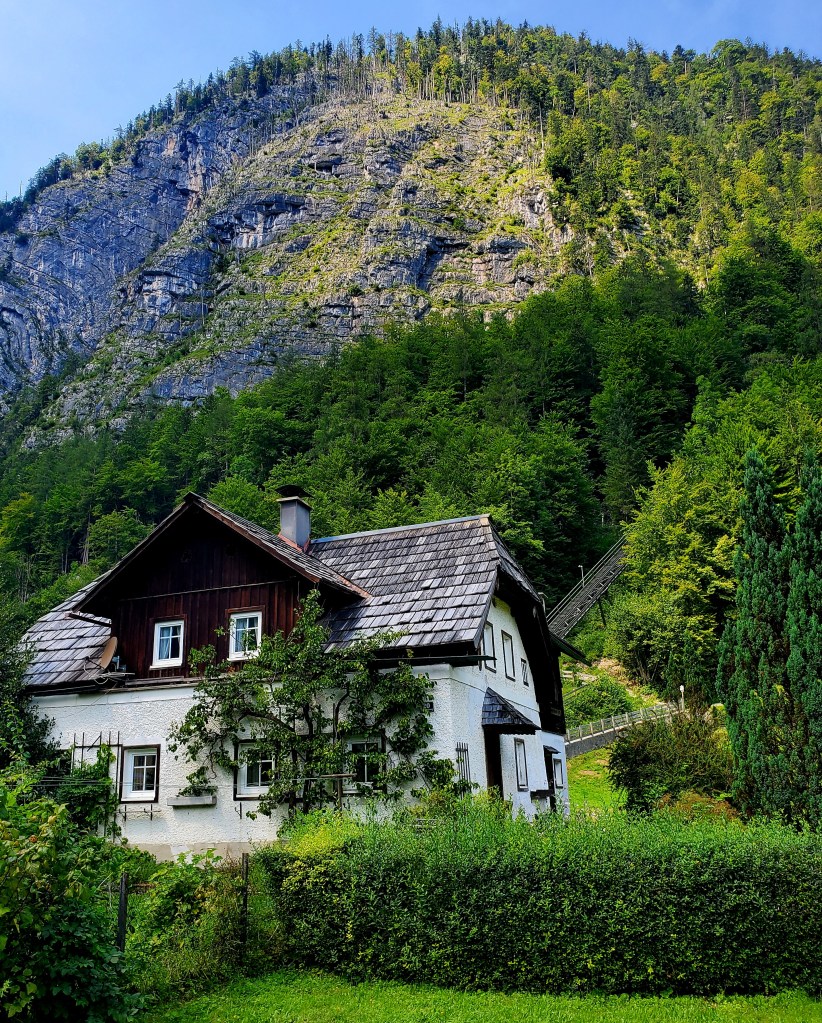
Source: Dark Passport Photography
By road or train, Hallstatt is very easy to visit. And therein lies the problem. Roughly halfway between Munich and Vienna, it takes only an hour and fifteen minutes to drive from the 150,000-person city of Salzburg to one of the most beautiful places on earth. Until the government and residents agree on the implementation of effective methods for managing the problem of overtourism, the breathtaking views of Hallstatt will have to be observed in a crowd while being peppered with the taunts of sullen locals. Meanwhile, Hallstatt will continue to be an easy day trip for those wishing to take in the sights while minimizing exposure to the hostile citizens. Thankfully this also meant it was easy to escape from, with plenty of more appealing destinations nearby that we will explore in future blogs.
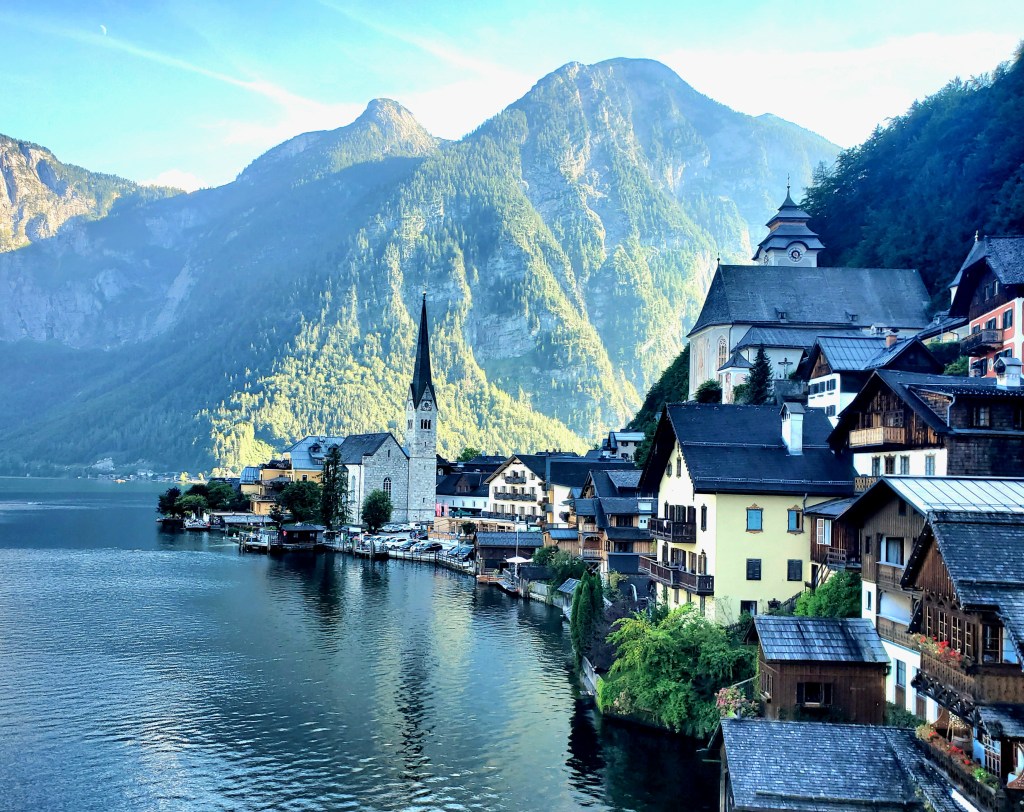
Full-size photo can be seen at Dark Passport Photography
 The Dark Passport