The finale of my trio of trips to the Pacific Northwest in 2024 came to a close with the historic coastal town of Astoria, Oregon. I had already experienced the disappointment of seeing poor governance tarnish the beauty of Seattle and Portland, and was still holding onto hope that the delight of small town America would prevail over the failing progressive tendencies of its decrepit big city siblings.
Source: Dark Passport Photography
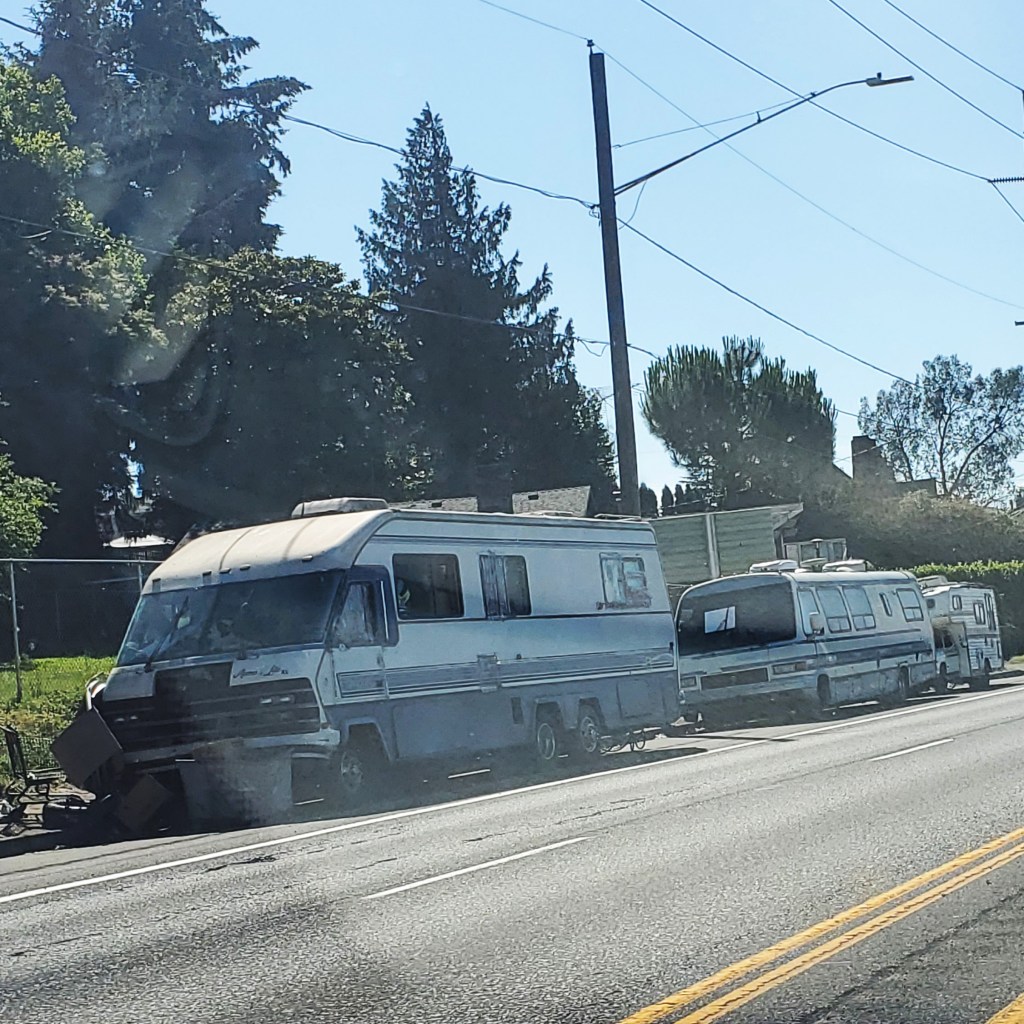
Home to barely 10,000 residents, Astoria does not have its own commercial airport. The most common route of travel, especially for those seeking the breathtaking views offered along the Oregon coast, is to arrive at Portland International Airport and rent a car. The highways leading to and from Portland show just how dire the state of the city is, as I doubt its founders envisioned the roads to be lined with homeless camps. Thankfully it doesn’t take long to escape the urban decay and become enveloped in the mist and trees.
Source: Dark Passport Photography
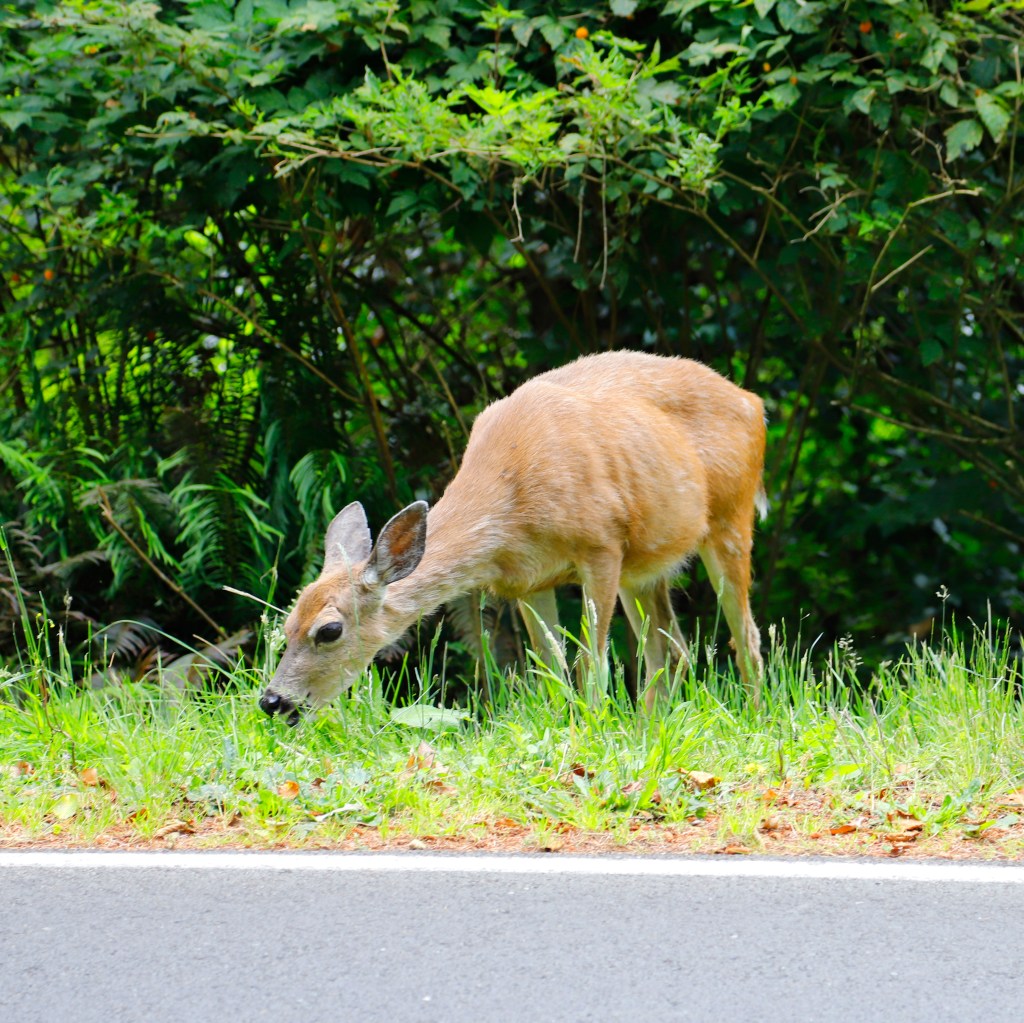
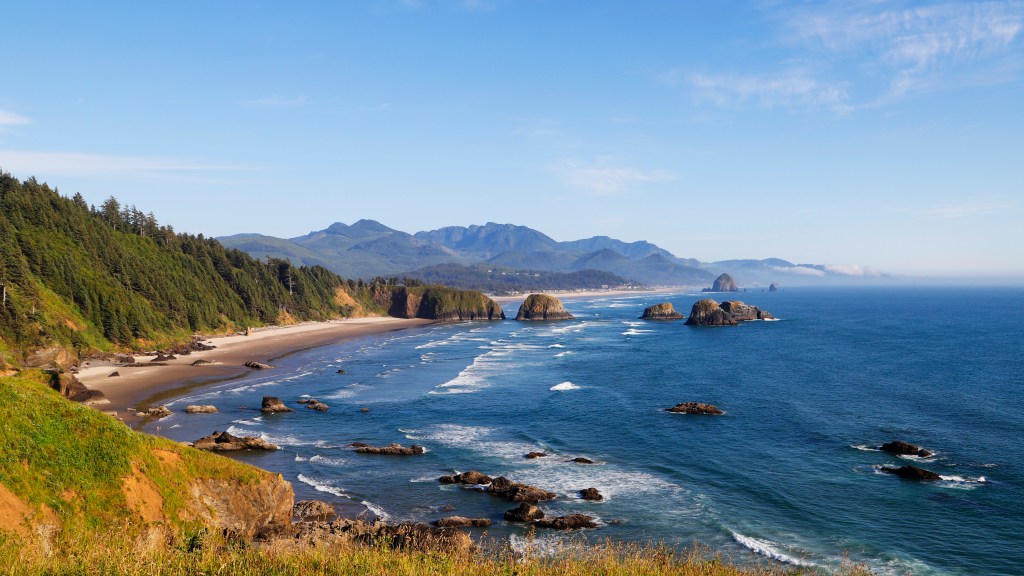
A drive along the Oregon coast is thankfully just as picturesque and serene as portrayed on television and in the imagination. Cannon Beach is a popular stop along the Pacific Coast Highway. Unsurprisingly, it has been listed in National Geographic’s “100 Most Beautiful Places”. The town of 1,500 is home to one of Oregon’s most recognizable landmarks: Haystack Rock. The 235-foot-tall basalt formation is fifteen million years old and attracts tourists as well as movie producers. It is visible in the 1985 film The Goonies as the Fratelli family escapes the police.
Full-Size Photo: Dark Passport Photography
There is an incredible vista of Cannon Beach and Haystack Rock at the Ecola Point section of Ecola State Park and is easily accessible by car. This happens to be home to a few notable movie sequences as well. In The Goonies, the entrance to the cavernous tunnels leading to One Eyed Willy’s “rich stuff” is beneath a derelict restaurant at Ecola Point. Unfortunately, the “restaurant” was a temporary structure built solely for the movie and was dismantled at the conclusion of filming. In the 1990 action-comedy Kindergarten Cop starring Arnold Schwarzenegger, the Astoria Elementary School picnic is held at Ecola Point with Haystack Rock visible in the background. The parking area for Ecola Park also serves as a trailhead for the Indian Beach Trail. Located within Ecola State Park and considered a part of the Greater Cannon Beach Area, the crashing waves of Indian Beach stood in for two movie scenes that were artificially set in different locations: the denouement of the 1991 action-adventure film Point Break in which Keanu Reeves and Patrick Swayze fight on the sands of Bells Beach Australia, and the walk along La Push Beach in the first installment of the massively popular Twilight series wherein Jacob regales to Bella the “old scary story” of the origins of the rivalry between the Quileutes and the Cullens. Looking close enough, the same Oregon coastline and characteristic volcanic rock formations are in the background of both shots. I would soon discover a lot more movie references once arriving in Astoria.
Source: Dark Passport Photography
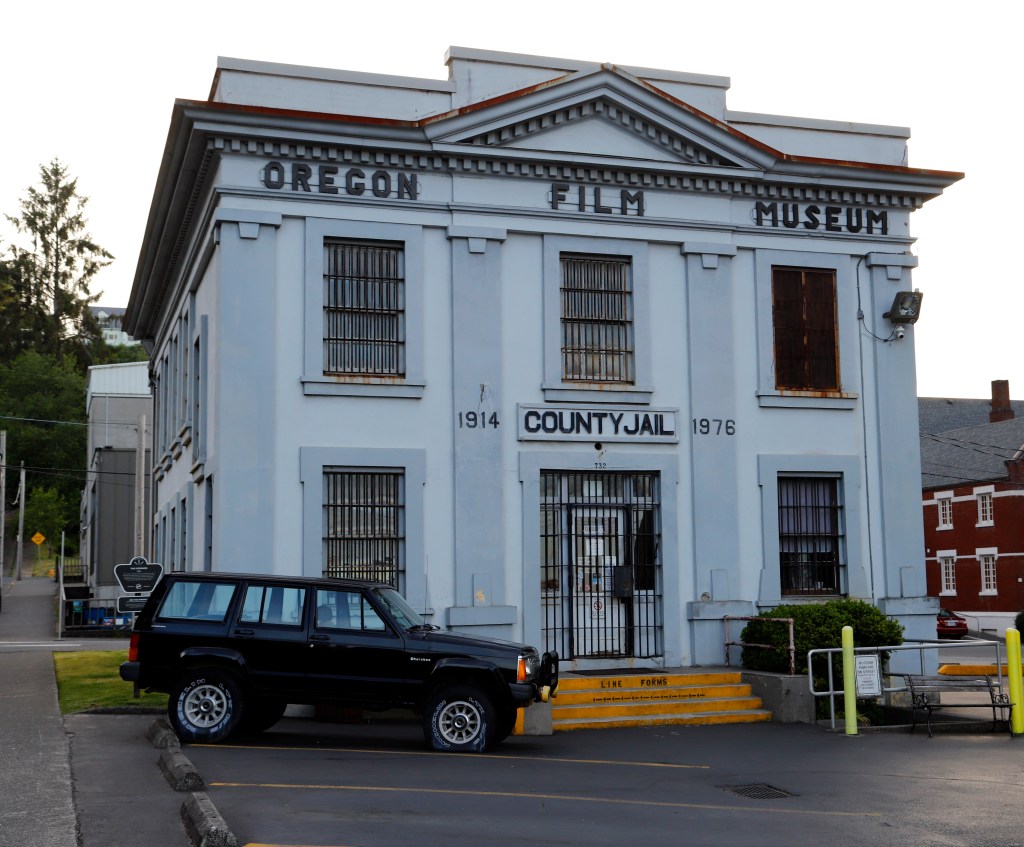
The prevalence of Hollywood cameras along the Oregon coast relative to the small size of nearby towns such as Astoria has led to some cult tourism over the years. The conversion of the historic Clatsop County Jail to the Oregon Film Museum in 2010 sealed Astoria’s fate as being the mecca of all things movie related in the 33rd state. Categorizing the humble attraction as a “museum” is a stretch, and online reviews will confirm that visitors (especially non-Goonies) can probably skip the actual admission in lieu of taking an exterior picture next to the Fratelli’s Jeep Cherokee and moving on. Instead, I recommend using the Oregon Coast Film Trail and similar websites to assist in creating your own self-guided tour of the area’s Hollywood history. Then again it wouldn’t hurt to support the town by spending a few bucks on tickets especially if you have kids. There are also other sights to see right nearby.
Full-Size Photo: Dark Passport Photography

Source: Dark Passport Photography
Source: Dark Passport Photography
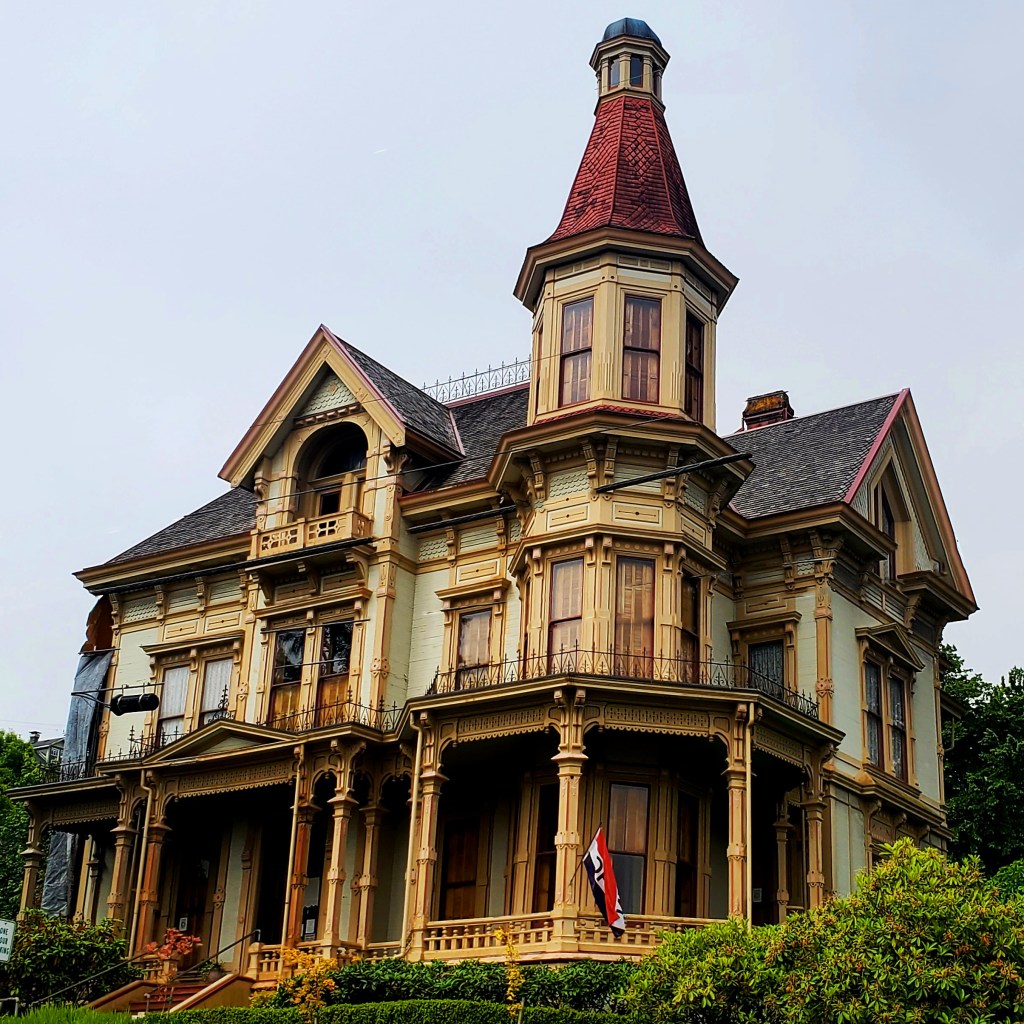
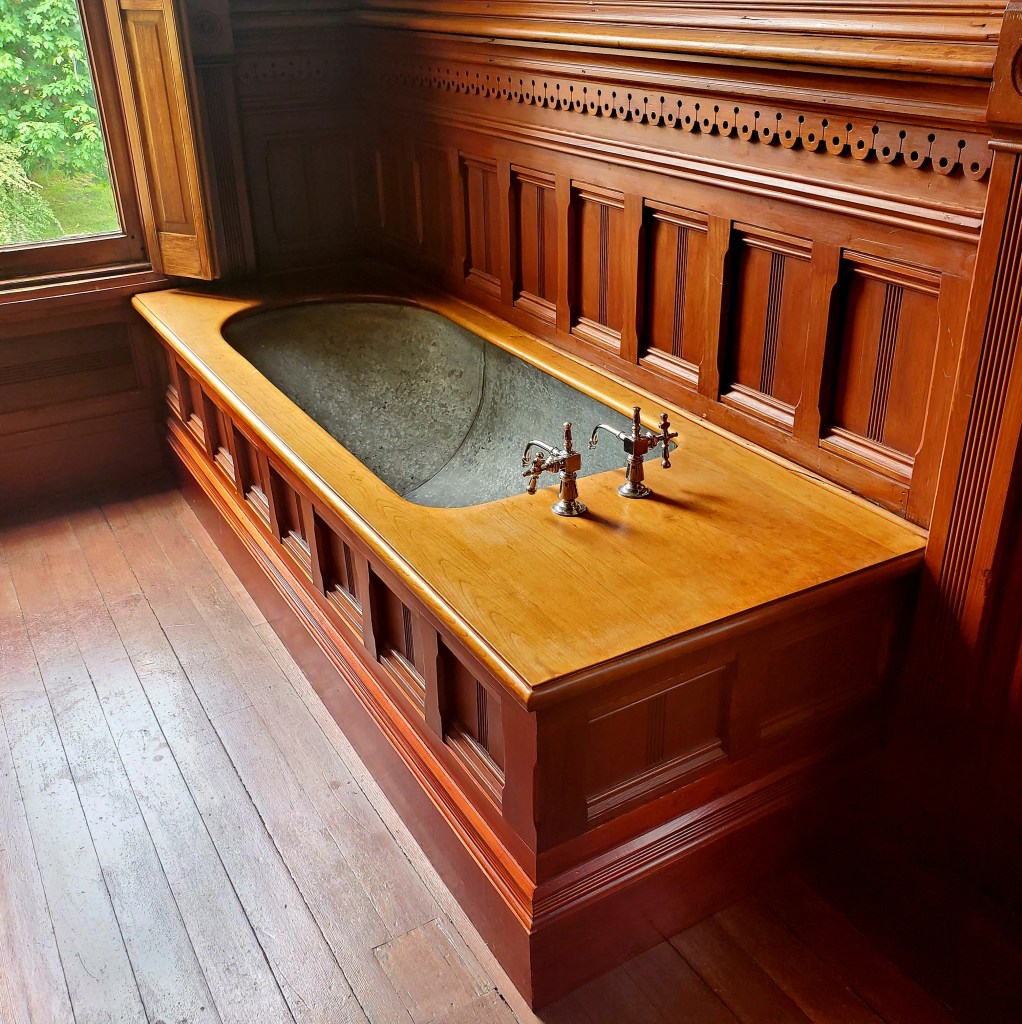
Directly across the street from the Oregon Film Museum is the Flavel House Museum. Also featured briefly in The Goonies, the Flavel House is a marvelously preserved and accurately restored example of the Queen Anne-style architecture popularized in the late 1800s. Unlike the Oregon Film Museum, the Flavel House and detached carriage house are well worth the cost of admission. The home is named after its original owner, Captain George Flavel, who had the home built in 1885 upon his retirement as a Columbia River bar pilot (similar to a harbor pilot). Since the year 1792, more than 2,000 vessels have sunk and 700 people have died at the treacherous Columbia River bar near Astoria. It is considered one of the most dangerous stretches of water in the world and its pilots guide billions of dollars’ worth of cargo towards inland ports each year. One can only imagine how critical the service of a bar pilot was in the 1800s prior to modern advancements in technology, and how Captain Flavel earned his share of fortune and respect in Astoria. It also helps that a Columbia River bar pilot’s salary, estimated to currently be in upwards of $400,000 per year, is paid by the shipping companies and not the taxpayers.

Full-Size Photo: Dark Passport Photography

Source: Dark Passport Photography
Source: Dark Passport Photography
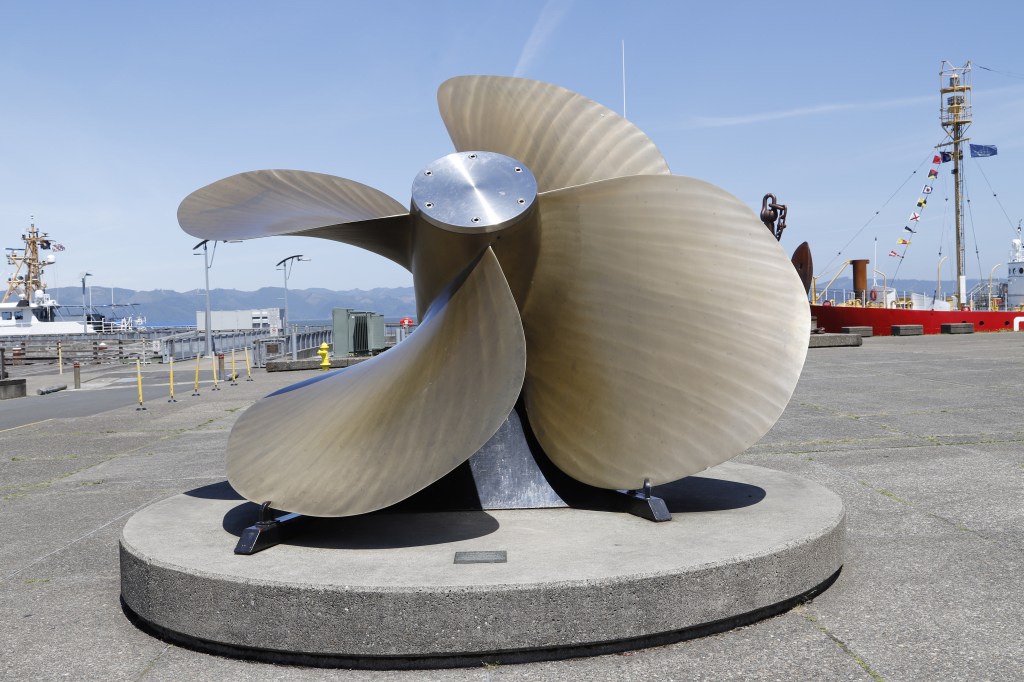
It should be of no surprise that the city abutting one of the most dangerous stretches of water in the world has a relatively impressive museum dedicated to the maritime history of the area. Current exhibits at the Columbia River Maritime Museum include a 44-foot U.S. Coast Guard lifeboat on static display and an actual piece of the Exxon Valdez supertanker. Moored outside the museum structure is the Lightship Columbia, a floating lighthouse which was staffed by sailors at the mouth of the Columbia River from 1951-1979. As of this writing, the museum was undergoing a multi-phase expansion which will only add to its grandeur when completed in 2026. In the meantime, all the talk of boats and fishing was making me hungry.
Source: Dark Passport Photography
Source: Dark Passport Photography
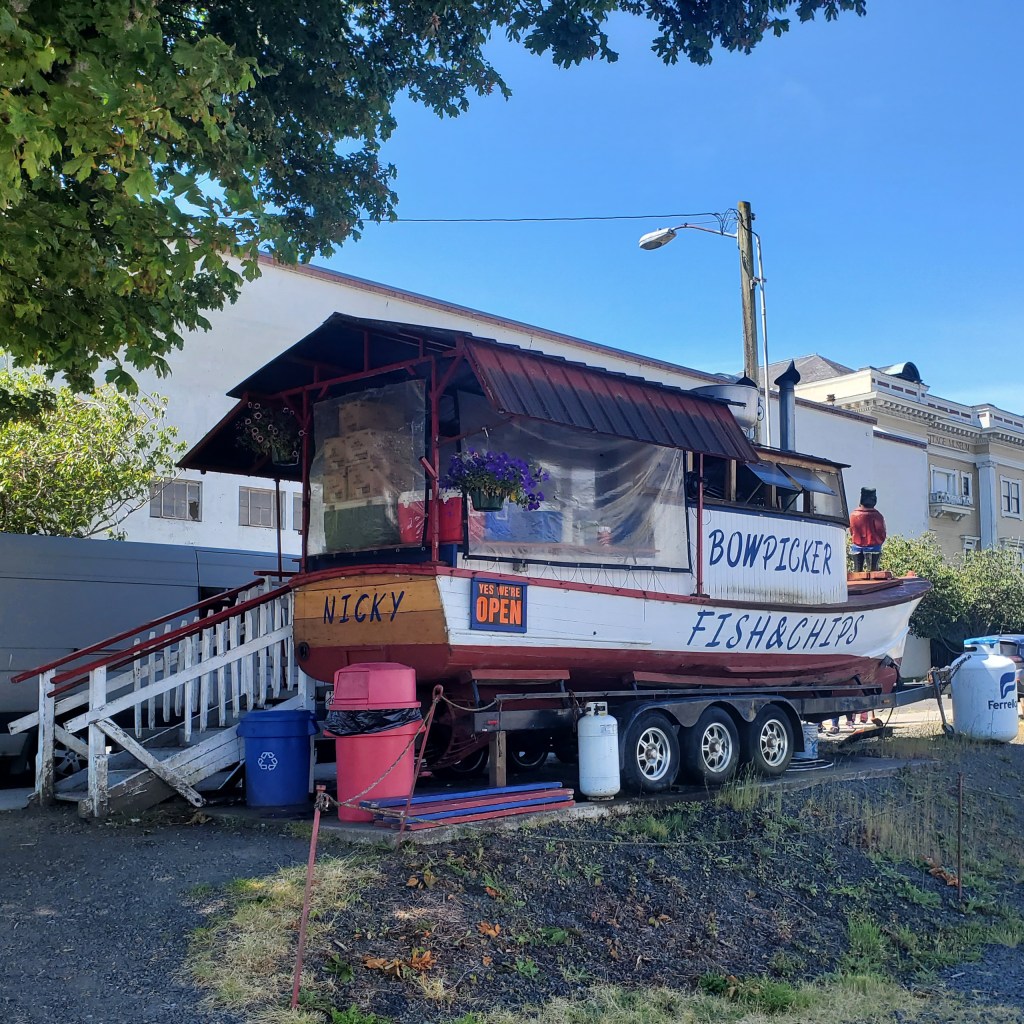
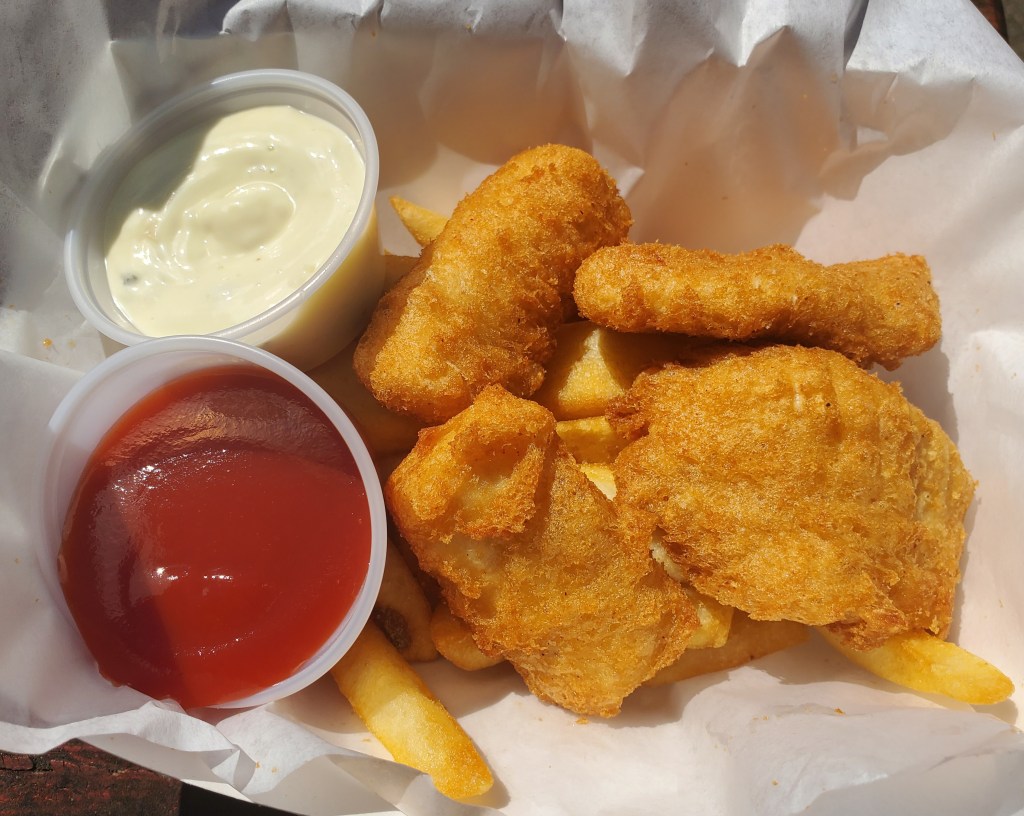
Perhaps uncoincidentally located within stone-throwing distance of the Columbia River Maritime Museum is a tiny fish-and-chips joint known to everyone from Food Network to Salt Lake Magazine. Bowpicker Fish & Chips is impossible to miss, unless you’re looking for a standard restaurant with four walls and a roof. Instead, keep an eye out for an old gillnet fishing boat sitting on the side of the road with 50 to 75 people standing in a line that stretches down the entire block. The wait for Bowpicker’s famous beer-battered albacore tuna and steak fries is often an hour long despite the simplicity of it being the only item on the menu. Thankfully I went on a weekday outside of peak hours, because while the fish was good I certainly wouldn’t want to linger around for an hour waiting for it.
On the subject of waiting, that’s exactly what everyone will have to do until Part II of this blog comes out! We will explore a little more of the history of Astoria and even find a few other movie filming locations. Stay tuned!
 The Dark Passport