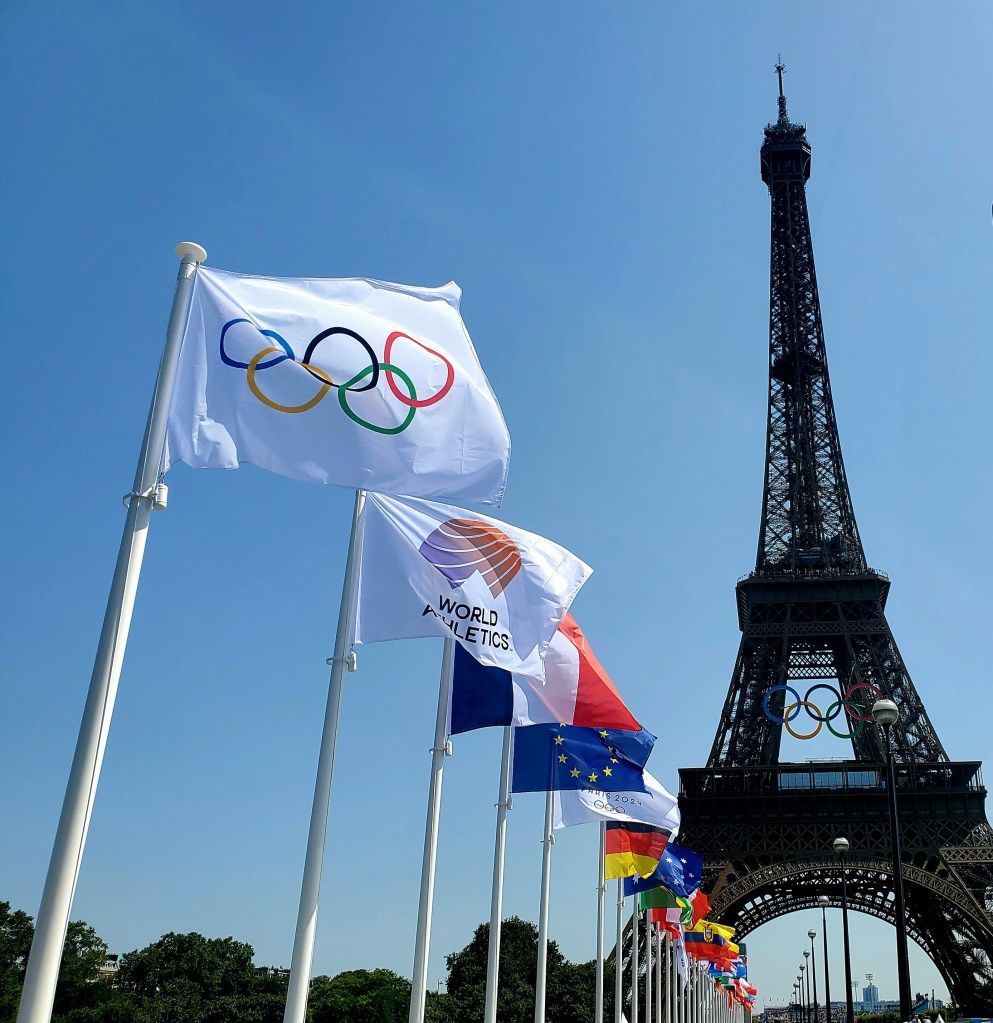
Source: Dark Passport Photography
In 1972, the “darkest day in Olympic history” occurred during the Summer Games in Munich. Largely in part to the criticism of government forces having killed numerous revolutionaries protesting the 1968 Olympics in Mexico, it was decided that the German police guarding Munich four years later would be unarmed and nonconfrontational. Taking advantage of this lack of law enforcement, Palestinian militants broke into the Olympic Village in a coordinated attack against the Israeli athletes and staff. A colossal failure in response from the German police resulted in a 20-hour hostage situation that ultimately left 11 Israelis and one Munich police officer dead at the hands of the terrorists. Although uninvolved in the attack, the United States implemented advanced security measures from that point forward.
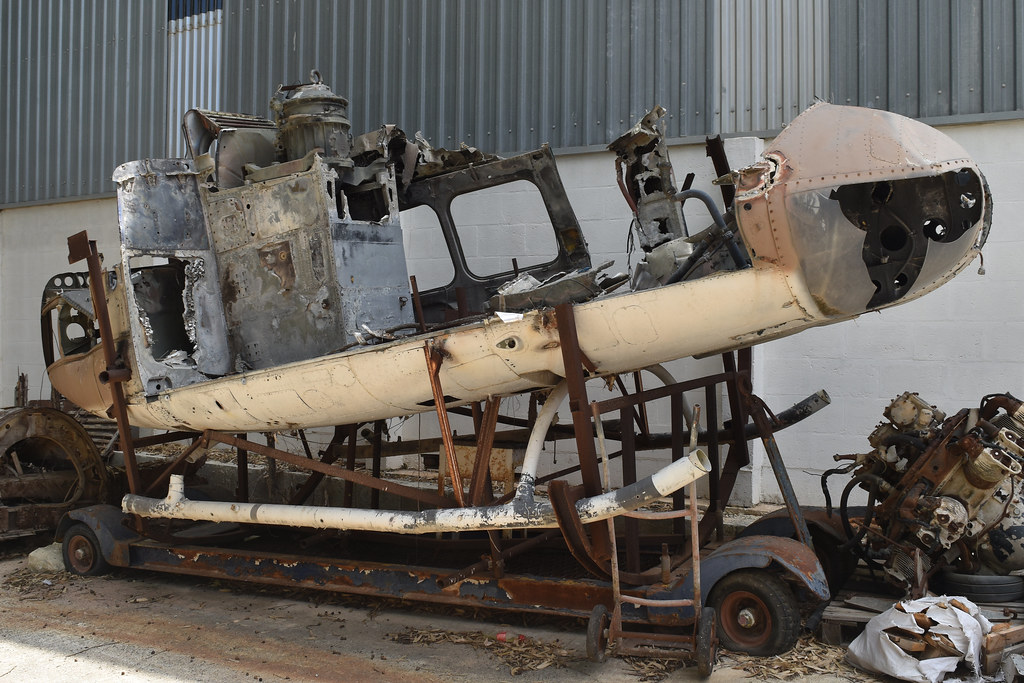
Source: “Bell UH-1H Iroquois ‘D-HAQU’ (really 65-10135)” by HawkeyeUK is licensed under CC BY-SA 2.0.
Beginning with the 1976 Olympics in Montreal, the U.S. government set a precedence of sending a joint collaboration of officials from multiple agencies to accompany the Team USA athletes during all Olympic events. The scope of this task force would later expand to include assisting host nations in the planning and preparation of security and safety related aspects of not only the Olympics but also the World Cup, Pan-American Games, and more. Today, the United States government continues to lead this effort at the direction of the International Olympic Committee, regardless of what country the event is taking place in. A formalized cooperation between American security officials and private businesses operating overseas also helps ensure pertinent, unclassified information and assistance is shared among our private sector partners. Perhaps the most prominent example is NBC, the broadcast network contracted to provide primary coverage of the Olympics within the United States.
Source: Dark Passport Photography

Source: Dark Passport Photography
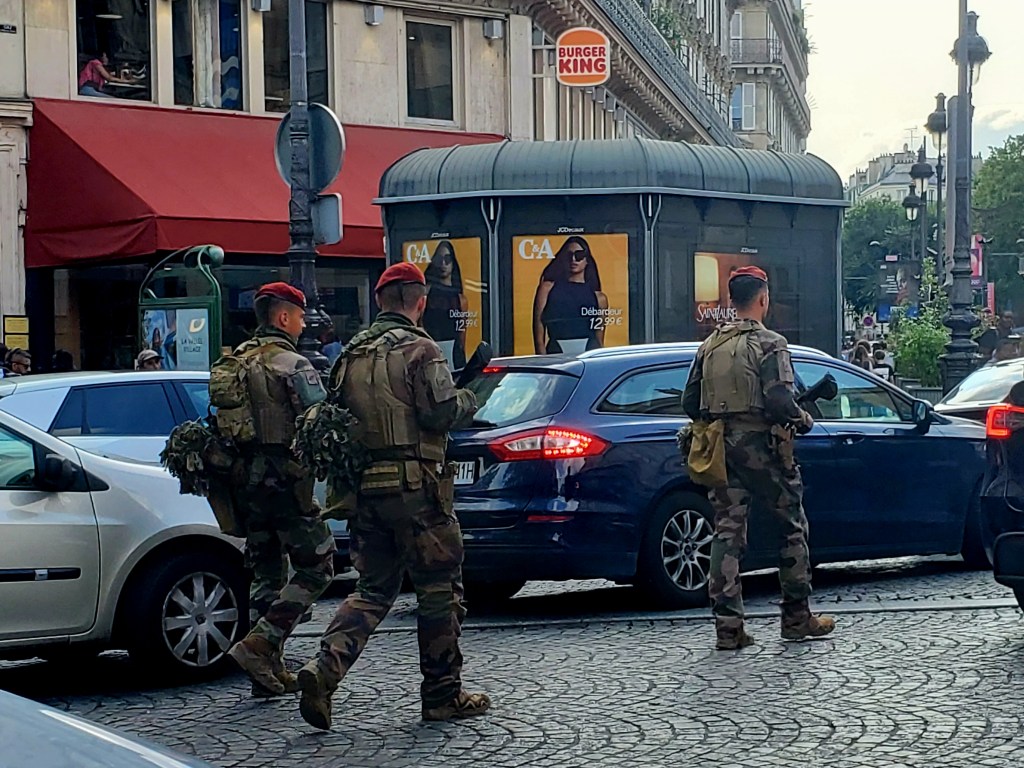
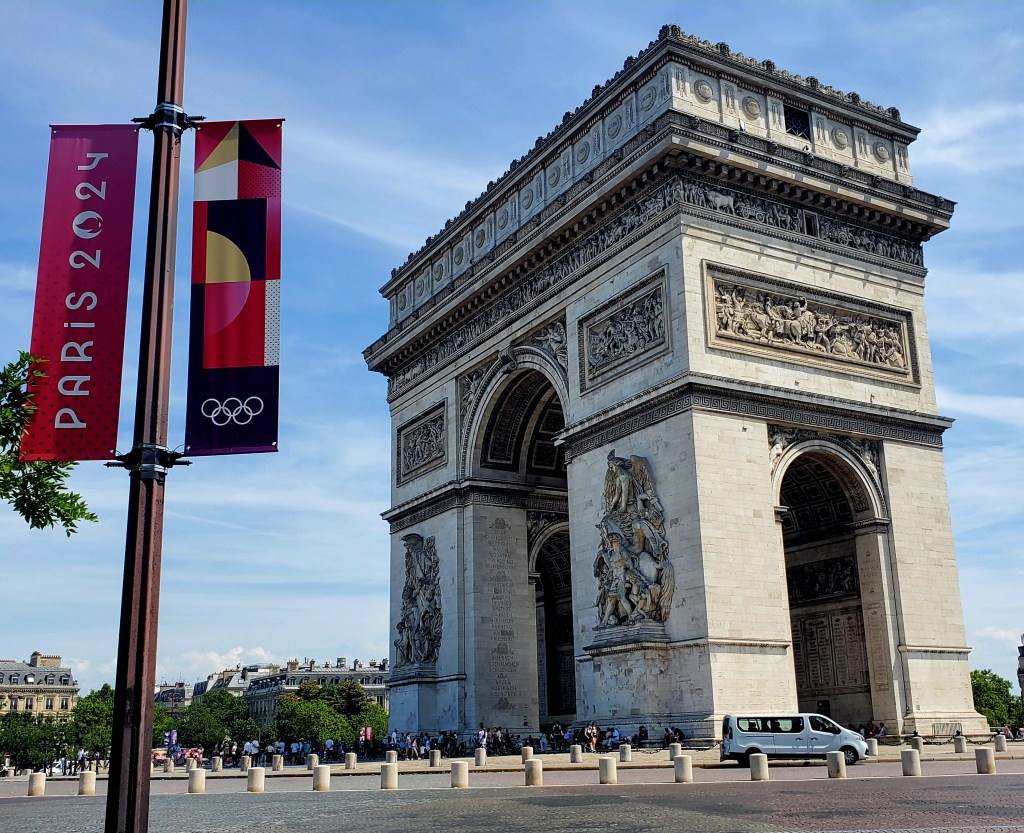
All of this to say, it should be of no surprise that my team and I were sent to Paris to do our part. Coordinating with 75,000 French law enforcement, military troops, and private security guards is no simple task, yet it also isn’t a secret the bulk of the legwork took place during the years prior. Essentially, the security planning for each Olympic Games begins even before the one that precedes it. As an example, officials from the 2028 Olympics in Los Angeles came to Paris with us for observation and research.
Source: Dark Passport Photography

Source: Dark Passport Photography
As expected, our work was cut out for us. Political unrest due to the recent snap elections was causing tension throughout the country. Islamist extremists were caught plotting multiple attacks, including during Olympics soccer matches although these were overshadowed by an Islamic State plan to strike a Taylor Swift concert in nearby Vienna. Pro-Palestinian demonstrations of various types regularly took place throughout Paris in an unsuccessful attempt to disrupt the Games while promoting Nazi antisemitic ideology. Some Israeli athletes received death threats along with other cyber attacks from enemy nations. Plus we got to deal with the Crowdstrike outage. But between the U.S. flags being burned in Washington D.C. and the communist flags being flown in Pennsylvania, I don’t think I missed much while I was gone.

Source: Dark Passport Photography

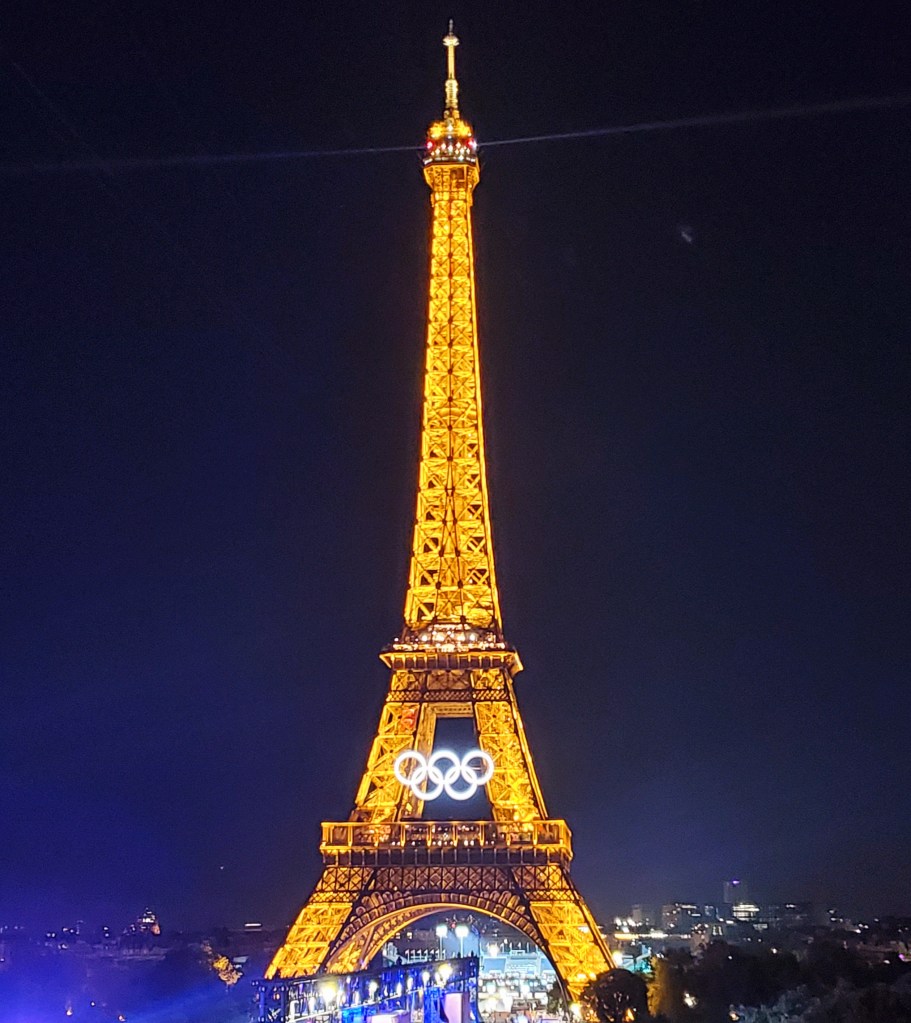
By the time the rather odd Opening Ceremony began, a police officer and soldier had been stabbed while patrolling public venues in two completely separate incidents. On the morning of the Opening Ceremony, left-wing anarchists sabotaged several high-speed rail lines in France in coordinated arson attacks. This wasn’t a great start to the first ever summer Olympics opening ceremony to be held outside of a stadium. Miraculously, no major attacks occurred as the 6-kilometer line of parade boats floated down the Seine River flanked by 300,000 people. Plenty of those fans were left confused at the choice of performers during the second half, but that’s better than terrorism.
Source: Dark Passport Photography
Whether working the Olympics or watching them on television as a fan, it always seems as if each iteration comes to an end much quicker than expected. Every one of our very long days went by in the blink of an eye, turned into a few weeks, and then it had already been a month. Most of us had the metro train routes memorized and could speak a handful of basic French phrases without consulting Google Translate. One hundred twenty-six medals later (give or take the one stolen from Jordan Chiles), and we were flying back to celebrate a job well done. For me personally, it was another box checked on the bucket list. Witnessing records being broken with my own eyes, meeting celebrities, spending time with the best athletes on the planet, and even holding the actual medals in my hands; all while getting paid. What a life!
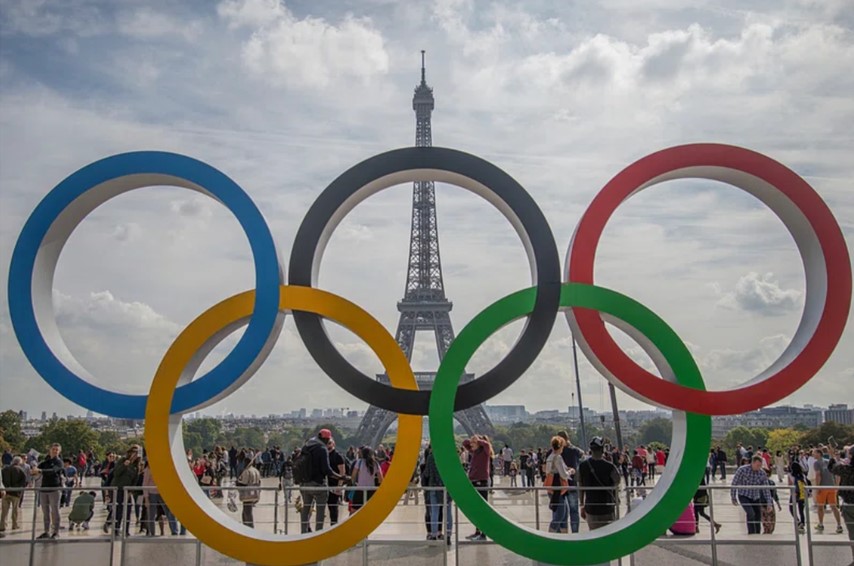
The private gallery has been updated with a new folder containing personal photos from the Olympics (same password). Be sure to read the descriptions! A series of short blog posts outlining the Team USA Olympic achievements will follow, along with a post dedicated to the city of Paris
 The Dark Passport