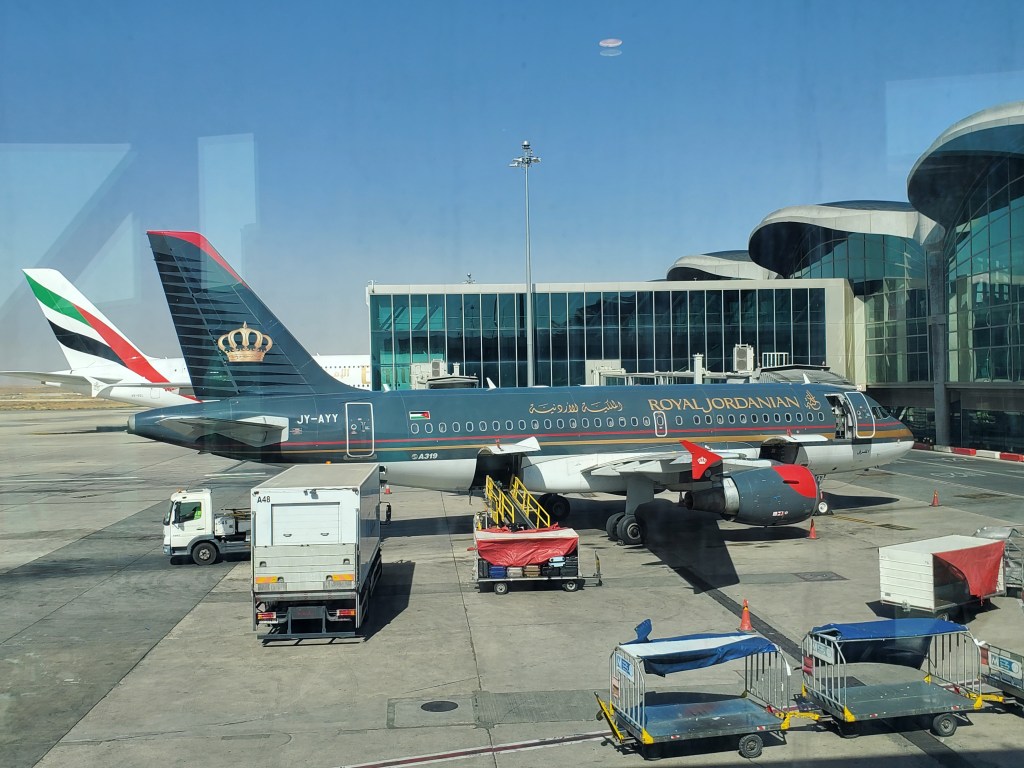
Considered by many historians to be the oldest continuously inhabited place in the world, present-day Amman is the capital and largest city of Jordan. Nearly half the population of the country lives in the immediate area of the Biblical city which was once known as Philadelphia thanks to Ptolemy II (Philadelphus) so humbly naming it after himself. Previous conquerors included King David and Alexander the Great before the Romans took over in the early centuries of the Common Era. Unsurprisingly for the Middle East, it was terrorism and war that brought me and my team to Jordan.
Source: Dark Passport Photography
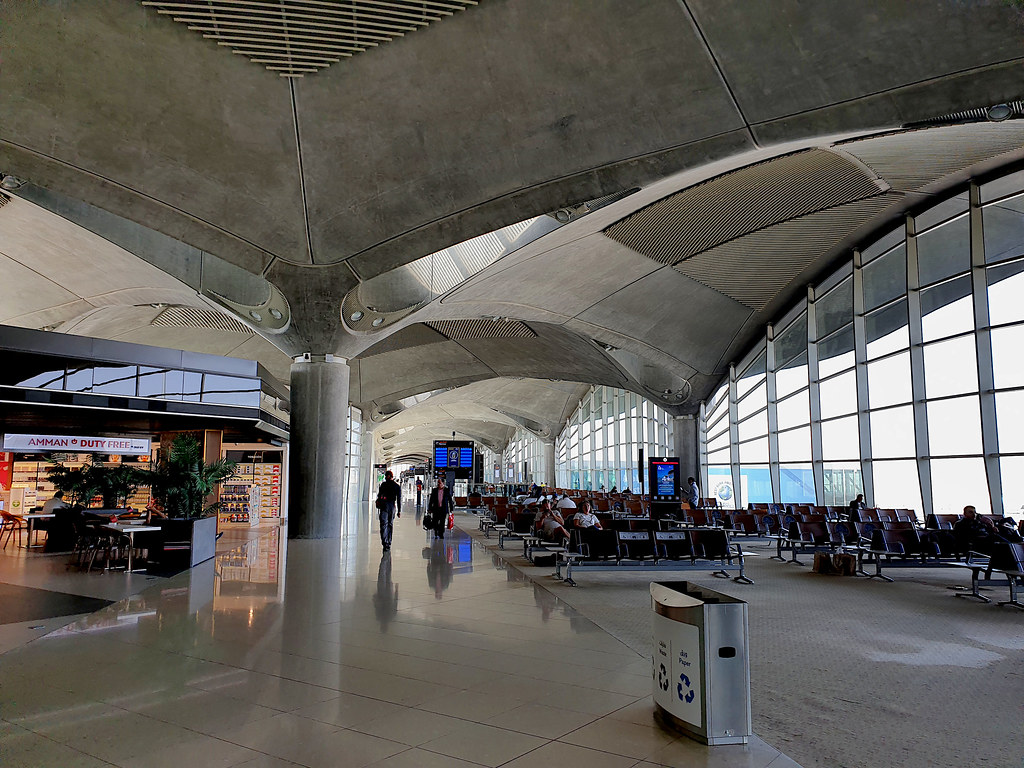
“2022-11-20_11-15-30_JO_Amman_JH” by Juhele_CZ is marked with CC0 1.0.
Ignoring the grand allure of Queen Alia International Airport, with its dome-like structures purposely designed by renowned English architect Norman Foster to look like Bedouin tents, was a painstaking necessity. Jordan itself may not have been at war, but its Israeli, Palestinian, Iraqi, and Syrian neighbors knew we were coming and why we were there. Thankfully, so did our own people. It felt (and looked) like something out of the movies: a tightknit group of athletic, military-aged Westerners with bags of gear being hurriedly yet quietly escorted through the middle of a Middle Eastern airport. “Nothing to see here,” I jokingly said to an anxious coworker under my breath. It was their very first trip overseas. “Just act like you’ve done it before.” Curious heads began to turn as it became obvious we were circumventing the normal passport control line. We were swiftly herded into an unlabeled service hallway and then outside directly into a waiting motorcade of armored vehicles. “Welcome to Jordan!” said our driver with an Arabic accent and a mischievous smile. “Shukran,” I replied. “Yalla.”
Source: Dark Passport Photography
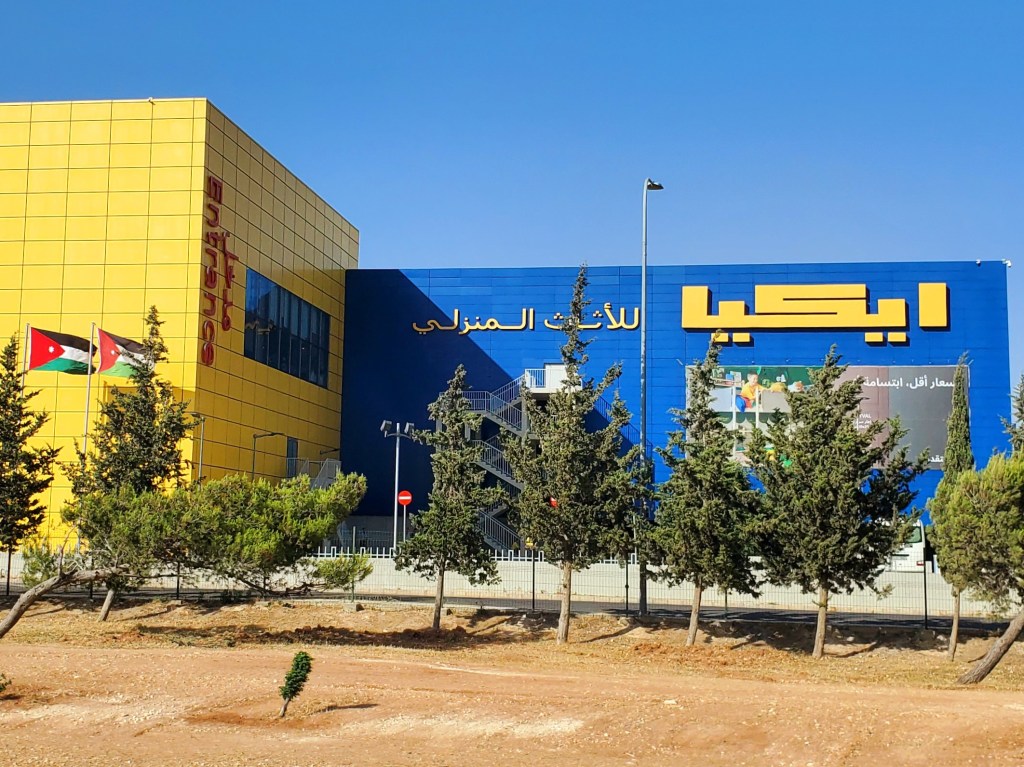
Since the October 7th, 2023 terrorist attacks in Israel, the country of Jordan has strived to be a moderator for talks relating to the subsequent war. The United States has been no stranger to Jordan during this time, with numerous high level visits including Secretary of State Blinken. President Biden also hosted the King of Jordan at the White House earlier this year. This is no surprise, as the U.S. has maintained great diplomatic relations with Jordan for quite a few decades. King Abdullah II, who just recently celebrated his Silver Jubilee (25 years at the throne), graduated from elite American boarding schools in his youth. He along with three of his four children also attended Georgetown University and still visit the United States quite frequently. The King is known for insisting upon interfaith dialogue and getting involved in Middle Eastern peace talks. The hospitality of the Royal Family to the United States government representation in Amman has long been appreciated.
Source: Dark Passport Photography

Source: Dark Passport Photography
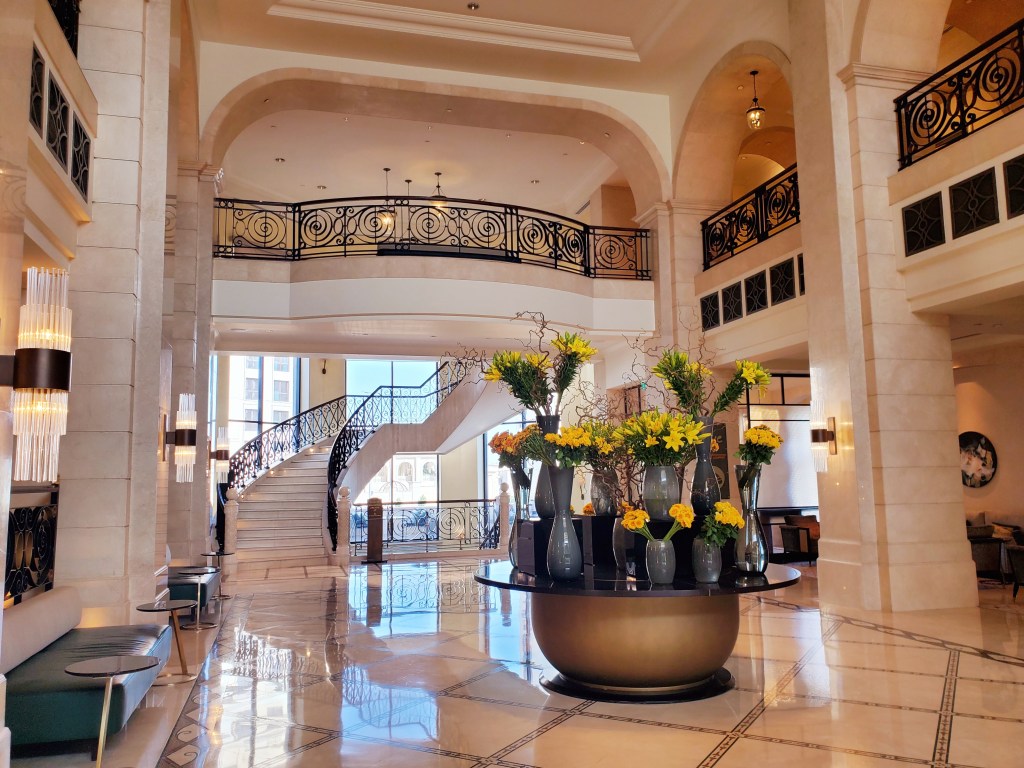
In Blog #36: The 75-Year Flood (Part I), I wrote from Dubai about my tepid introduction to the 5-star hotel life. With an elevated terrorism threat and some not-so-nice neighbors, the luxury hotel experience in Jordan had its own type of uniqueness. The accommodations were fantastic, to be sure, but just to get onto the property we had to go through a security checkpoint with a vehicle search and explosives detection. Prior to entering the magnificent foyer and hotel lobby, guests must pass through a magnetometer while their baggage gets x-rayed. Naturally, these processes are abbreviated if not eliminated for my team, but their presence was a continuous reminder of the danger we were surrounded by, even when staying at one of the nicest hotels in the entire country. Adding to the fervor was an increased presence of military and police uniformed patrols and tactical vehicles on the nearby streets.
Source: Dark Passport Photography
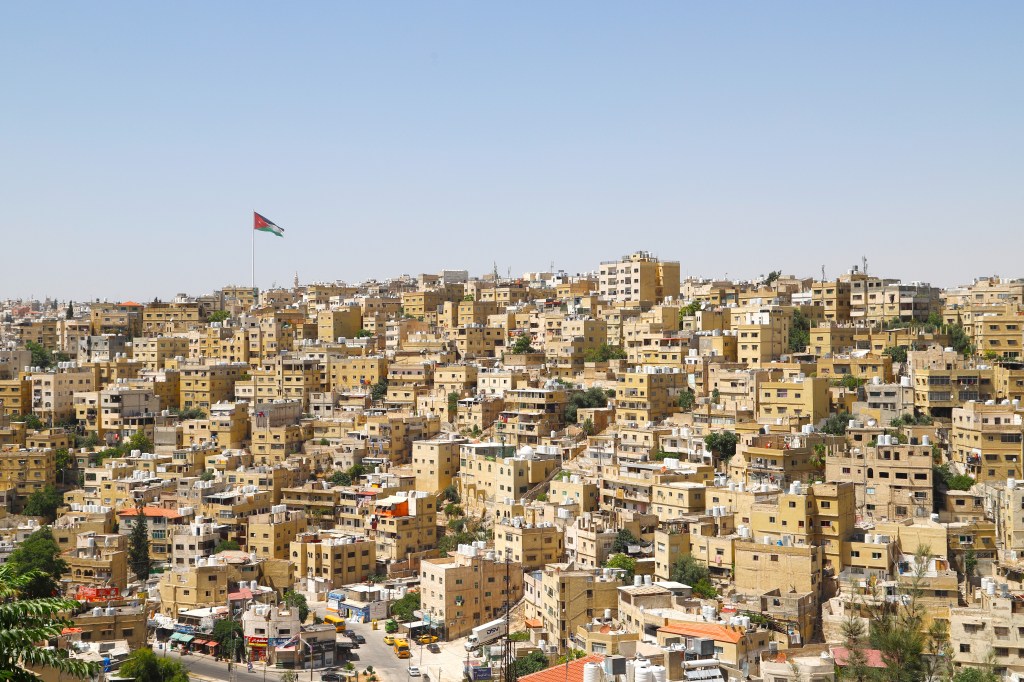
Resulting mostly from historic precedence and the sensible utilization of natural resources, the ubiquitous use of matching stone building materials in Amman is the reason for its lack of reputation in the field of architecture. At the same time, the monochrome skyline as viewed from any one of the seven hills within the city is a change of pace for anyone living in the glass and concrete jungles found in nearly any other modern urban metropolis.
Source: Dark Passport Photography

Source: Dark Passport Photography
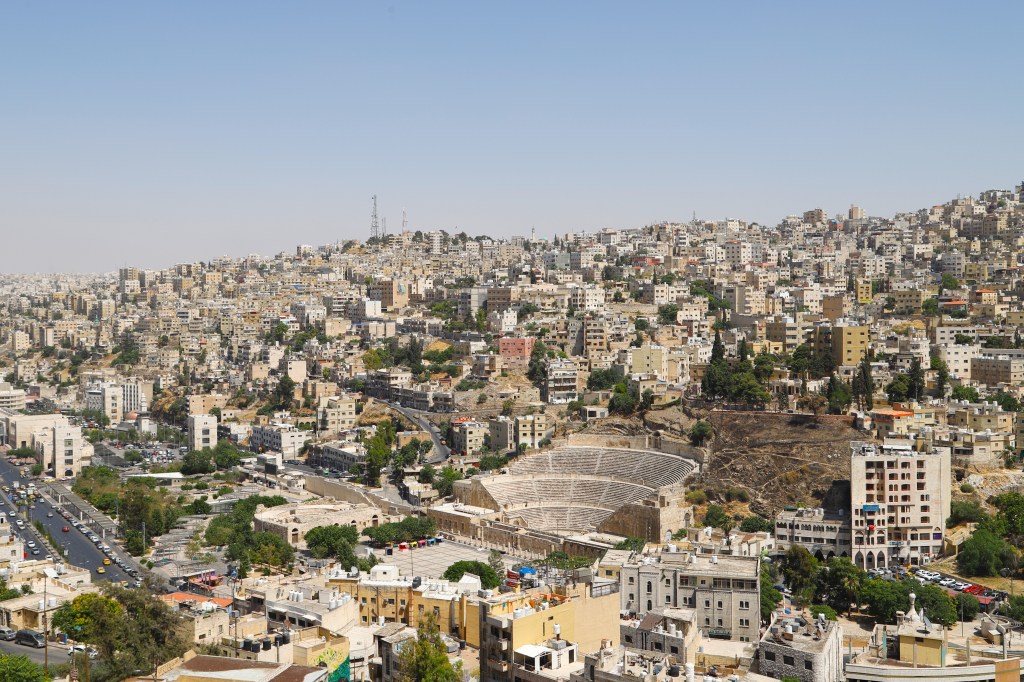
The historic city of Amman, once known as Philadelphia, was part of the Roman Empire in the early years of the anno Domini period. In typical Roman fashion, a theater and forum were built for public events. The theater can seat nearly 6,000 attendees and still plays host to the occasional concert. On a typical day, foreigners can pay two dinar (about $2.85 USD) to explore the theater and a small museum.

Source: Dark Passport Photography
Source: Dark Passport Photography
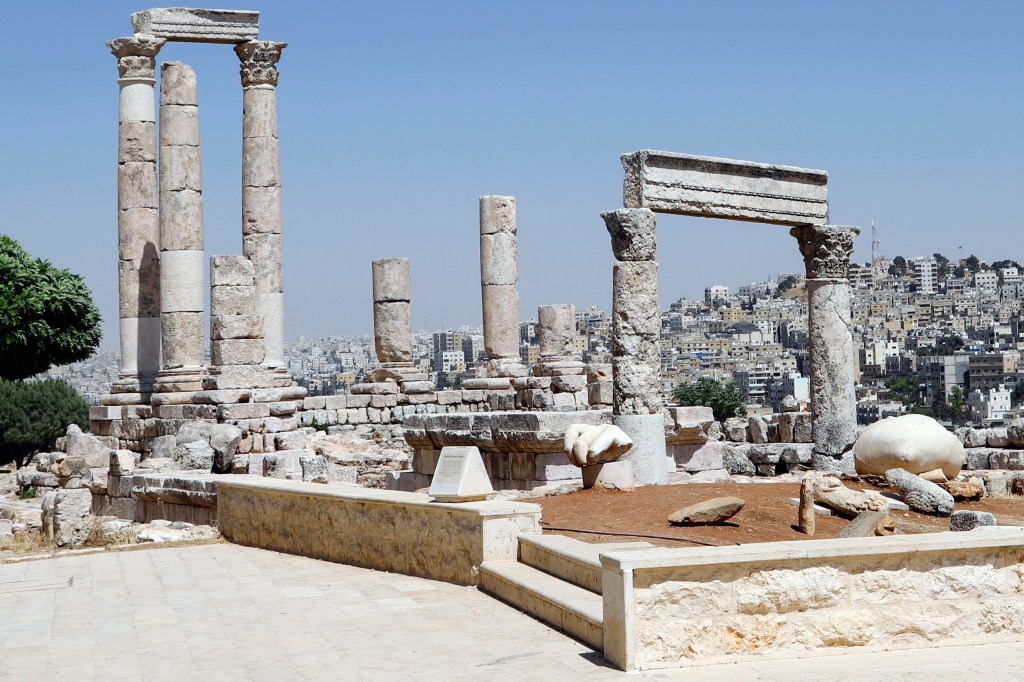
High upon a hill near the Roman theater are even more prominent ancient ruins. The Citadel, as it is known, is believed to have been inhabited beginning in the Bronze Age (approximately 1800 BC). Most of the remains at the site today, however, are from the time of famed Roman Emperor Marcus Aurelius (around AD 162). The focal point of the Citadel is the collection of stone columns of the Temple of Hercules which can be seen from various parts of the city. Once drawn to the temple by the allure of its ruins, onlookers cannot miss the giant fingers and elbow that are the only remains of a Hercules statue estimated to have been at least 40 feet tall.

Source: Dark Passport Photography
Continuing the Roman history theme, we had the opportunity to travel outside of Amman to the nearby ancient city of Jerash. Known as the “Pompeii of the Middle East”, the 6,500-year-old town has perhaps the largest and best preserved site of ancient Roman ruins outside of Italy. After paying a few dinar and being led through a souq full of trinkets marketed to tourists, all visitors begin at the Arch of Hadrian. It is one of the largest Roman arches ever discovered, and is a fitting jump-off point for visitors since it originally served as the gateway to Jerash thousands of years ago.

Source: Dark Passport Photography
Source: Dark Passport Photography
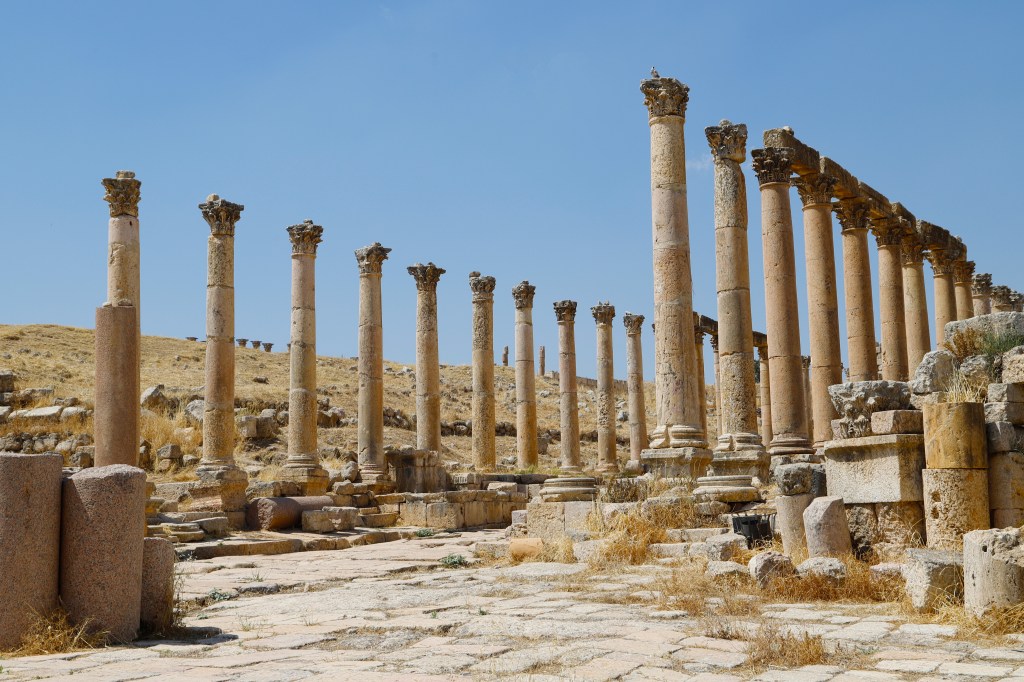
Through the gates of Jerash, visitors encounter even more magnificent ruins. The hippodrome is one of the smallest of the Roman Empire yet perhaps the best preserved. Despite its name, the arena has nothing to do with the large mammals found in sub-Saharan Africa. “Hippo” actually means “horse” (hippopotamus means “river horse”), thus a hippodrome is a stadium for horse racing or in this case chariot racing. There is also an elliptical forum known as the Oval Plaza which once served the purpose of connecting the Sanctuary of Zeus with the Cardo Maximus. The 800-meter Cardo Maximus, colonnaded with some 500 pillars, was the main thoroughfare through ancient Jerash and would have been flanked by storefronts and other buildings. The stone columns of both the Oval Plaza and the Cardo Maximus have been partially restored for modern day viewing.

Source: Dark Passport Photography
Source: Dark Passport Photography
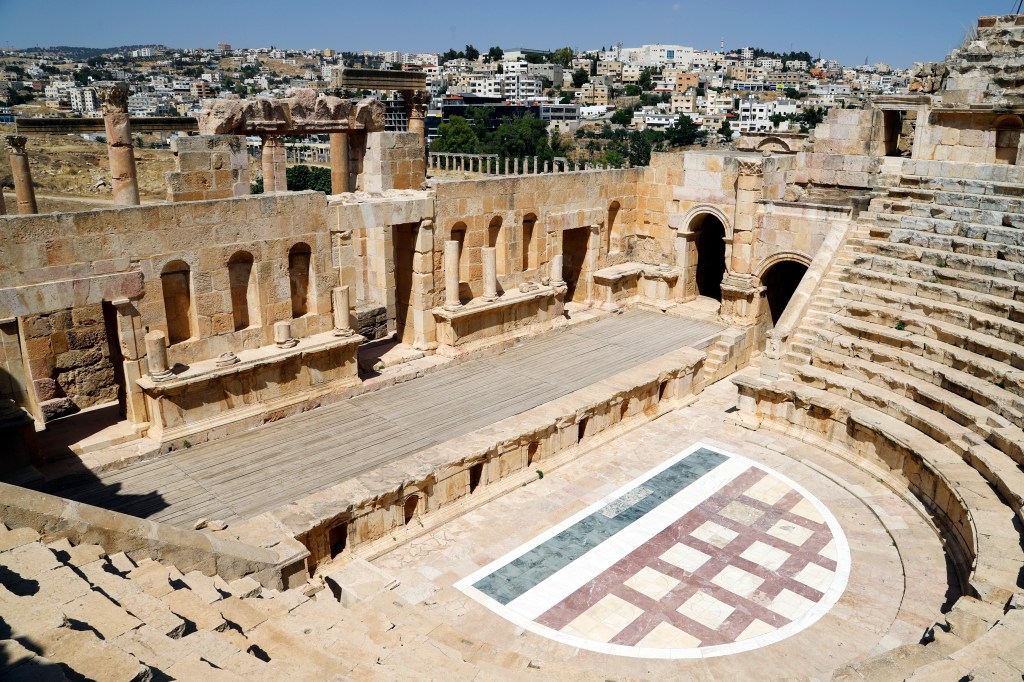
Further along the Cardo Maximus in Jerash, the remains of the ornate Nymphaeum are present. This structure, built in the 2nd century AD, provided a continuous source of water to the townspeople by means of a fountain. On the far north end of the ancient city is the North Theatre. Similar though smaller than the amphitheater in Amman, this space in Jerash once served both as a meeting space for the governing body of the city as well as a theater for performances to entertain the citizens. The North Theater underwent several expansions in its prime, with its seating capacity eventually reaching about 1,500.

Source: Dark Passport Photography
Even with a war raging in the next country over, it wouldn’t be a proper trip without trying the local cuisine. At any given time adjacent to an otherwise innocuous traffic circle in central Amman, a mess of cars is pulled over on the side of the road with no regard for the blockages being created. Next to the cars, a nearly permanent small crowd exists outside of a tiny shack. The sign says Reem Shawerma, and the people are queued up for what is considered by many to be some of the best shawarma in the Middle East. The roaring engines and honking horns of impatient drivers at our backs did nothing to distract us from the spectacle we were witnessing as a handful men cramped inside the shanty worked a tiny production line putting together the little sandwiches. One slices the meat off the huge rotating columns, the other throws the ingredients into pita bread, and another bags them while working the cash register. Four seconds is all it takes to make the only item on the menu: “meat shawarma”. It has been that way, in that location, and with that recipe, since 1975. As many as 5,000 sandwiches may be sold on any given day, costing approximately $1 each. It’s not uncommon for a customer to order two or three, eat them on site, and irresistibly order three more. (Speaking from experience.)
Source: Dark Passport Photography
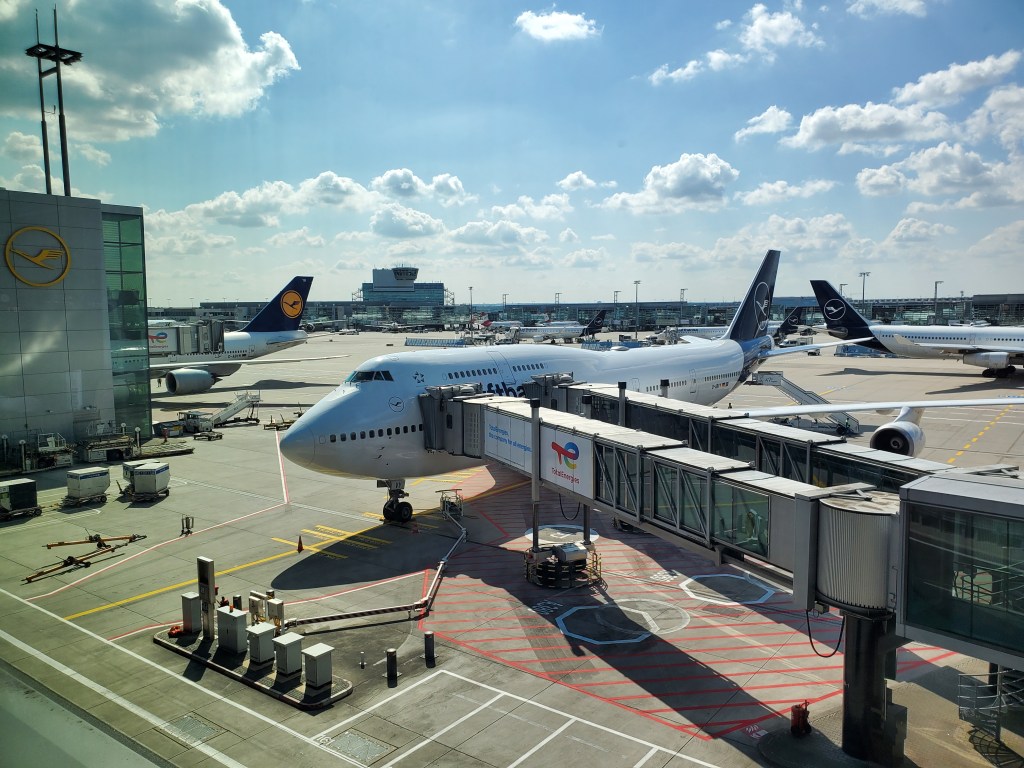
Unfortunately there was not enough time to visit the famous ancient city of Petra or take time off at the Red Sea. The disappointment was quickly lost, however, as I stood smiling at my departure gate in the airport. Out the window was a Boeing 747-400. Originating from a fabled conversation between the CEOs of Boeing and Pan Am in 1965, it took five years to design and build the first wide-body aircraft that would result in the phrase “jumbo jet” being coined. The inaugural commercial flight, PA2, departed New York’s JFK Airport enroute to London Heathrow with 345 passengers onboard. The plane had an unprecedented two aisles and a spiral staircase connecting its two passenger decks. It quickly became perhaps the most recognizable passenger aircraft in the world. With both sadness and irony, the exact airplane that made the first 747 commercial flight would survive a hijacking several years later only to eventually be destroyed in what remains the worst air disaster in history. Over a period of more than 50 years, a total of 1,574 Boeing 747 jets were built. The final plane was delivered in 2023, marking the beginning to the end of the historic aircraft’s run. The clock was therefore ticking for me to be able to ride in one someday, as fewer and fewer airlines use them for passenger service. I could finally stop waiting though, because that afternoon I got to fly on the “Queen of the Skies” all the way back to America. One more box checked on the to-do list, one more overseas trip in the books.
 The Dark Passport