The center of the world. At least, that’s what it felt like. Coming from a relatively new country like the United States, the history of London England is too much to fathom. Experiencing the traditions and architecture of “The Square Mile”, as the City of London proper is occasionally referred to, is something one could easily and enjoyably spend a lifetime doing. Attempting to take it all in over a short business trip was shamefully difficult. Alas, I had to start somewhere.

Typically when visiting a foreign country, especially in this line of work, it’s good practice to learn as many basic phrases in the local language as possible. Complacency set in, however, with my trip to the United Kingdom. They speak English, I speak English, so there should be no problem, right? As it turns out, my British counterparts found an increasing amount of hilarity trying to decipher the American English words in my reports and conversation. To be fair, we knew exactly what the other was saying. It’s not hard to use context clues to figure out that a “lift” is an “elevator”. Where it got fun was the slang terms and talking to people with thicker accents. I am still not quite sure what it means to “take the piss out of” something, but I know it doesn’t involve the restroom – er, excuse me, the “loo” – which is a shame because trying to ask for the bathroom in a foreign language is usually the highlight of an overseas trip for me.
Source: Dark Passport Photography

Source: Dark Passport Photography
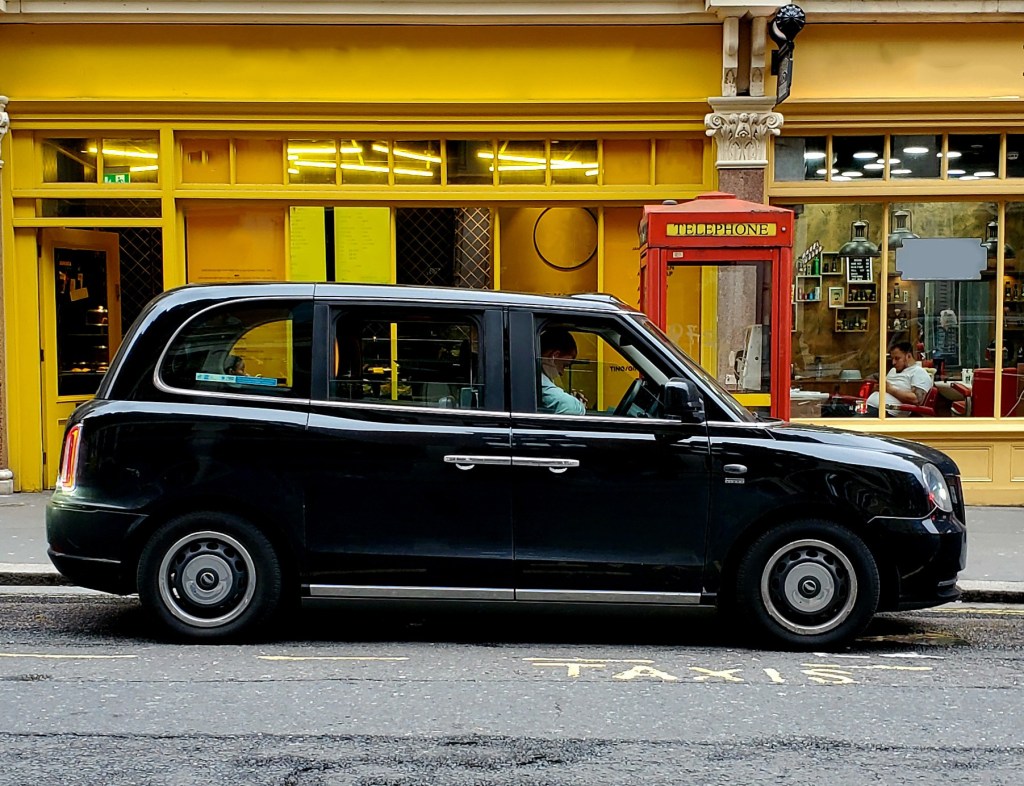
The traffic in London is absolutely terrible. At least in many of the overcrowded U.S. cities there are still highways which can be used to get off the surface streets and cover some ground. In London it is realistically easiest to walk, ride a bicycle, or take the underground (see translation above). Still, we used other forms of transportation to get around, especially for work purposes. The black cabs and big red buses are just as ubiquitous in real life as they are in the movies. The taxi drivers in particular got a kick out of my American accent and wanted to talk non-stop about United States politics. I initially found the Brits’ interest in the upcoming U.S. presidential election to be surprising, but after watching the first debate recently, I came to the conclusion that other countries must find our politics to be a form of entertainment.
The remainder of my abridged journey was filled with work events or touristy sightseeing, the latter of which being illustrated below. As much as I look forward to seeing the world, London has been officially added to my list of places I am excited to return to in the future for more exploring.

Source: Dark Passport Photography
The British love their statues. Here we see a bronze rendering of King George IV, the “First Gentleman of England”, upon its plinth in Trafalgar Square where it has remained since 1843. The dome of the National Gallery is visible in the background.

Source: Dark Passport Photography
More prominent is the Equestrian Statue of King Charles I, London’s oldest bronze sculpture. Cast in 1633, the statue now stands at the original location of Charing Cross, the exact point that all road distances in London are measured from. Indeed, if you simply query “London” in Google Maps, the pin drops at this site.

Source: Dark Passport Photography
To go along with the equestrian statues all over the city are the occasional real-life horses. The ceremonial entrance to Buckingham Palace, aptly named “Horse Guards”, is protected by the Household Cavalry. Shown here is a trooper of the Blues and Royals on horseback. Everyday, hundreds of tourists gather to take pictures next to the mounted soldiers. While it is not necessarily forbidden to touch the horses, the soldiers will order people to stay away if the horses get agitated. The troopers will not otherwise speak with anyone while at post. If you look closely, there is a red and yellow panic button on the wall that the troopers can push if they need assistance from the nearby armed sentries.

Source: Dark Passport Photography
Once known as the Clock Tower, now Elizabeth Tower, but to most: Big Ben (even though “Big Ben” is technically the name of the massive bell inside the belfry, not the entire tower itself). Despite being built in the mid-1800s, the clock remains persistently accurate to this day. Many of the clock’s colorful features were painted black in the early 20th century in order to mask the Victorian era smog deposits. Luckily, a multi-year restoration process recently reversed this tradition. The Prussian blue accents of the 23-foot dials are visible in the picture above, as are the six small red and white shields of St. George which have come to represent the nation of England. Though not as visible in this picture, additional shields with colored accents are located above the belfry and include the Irish shamrock, Scottish thistle, and Welsh leek.
Source: Dark Passport Photography
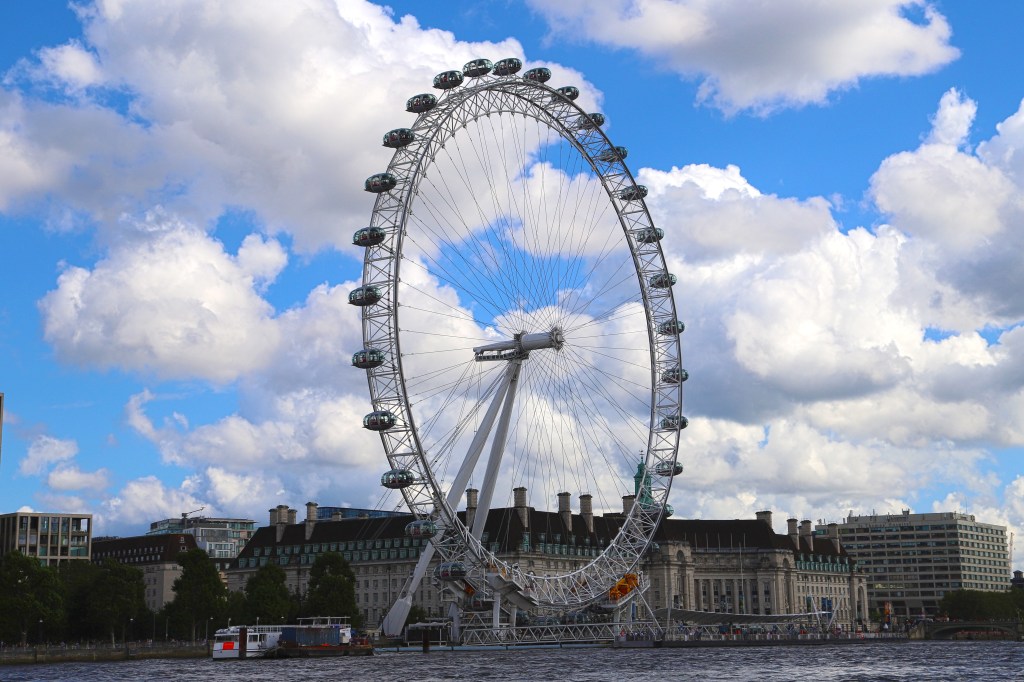
Not far from Big Ben along the Thames is the most popular tourist attraction in the United Kingdom: the London Eye. Opened as the “Millennium Wheel” in 1999, many don’t realize at first -or even second- glance that this Ferris wheel is actually cantilevered, meaning it is only anchored on one side. There are 32 passenger pods on the wheel, representing the 32 boroughs of London. It is perhaps just as impressive at night, and the views from the top are spectacular, but I will have to judge both theories on a future visit.
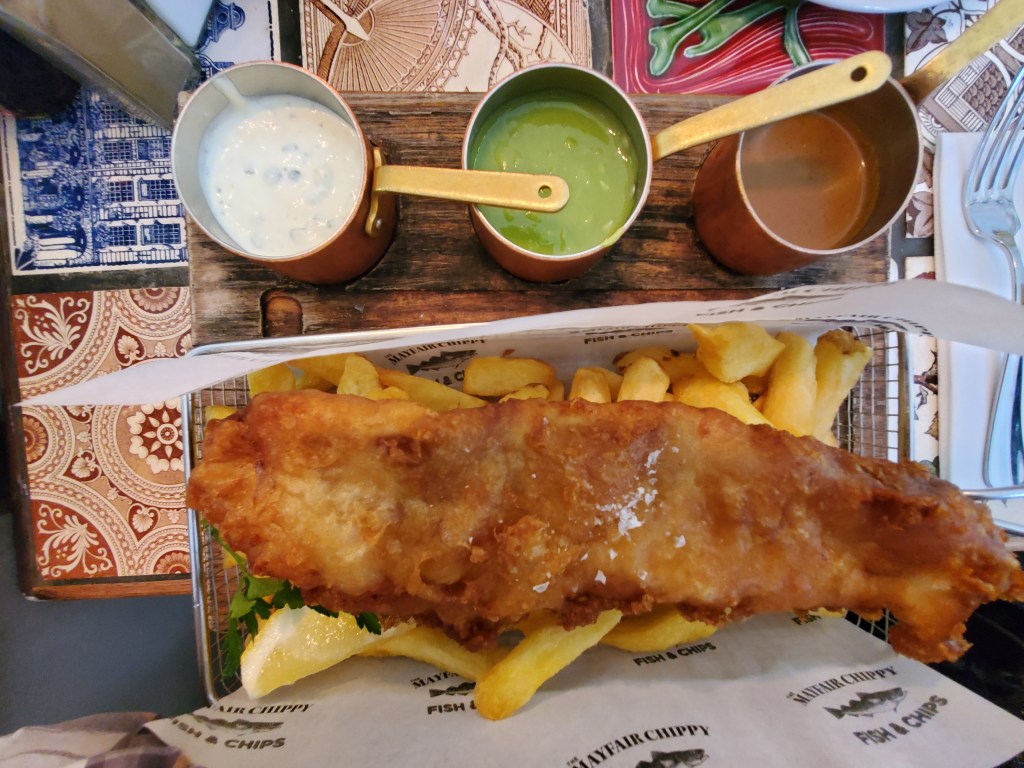
What would a visit to London be without fish and chips? The Mayfair Chippy, a self-proclaimed “quintessentially British restaurant”, has only been around since 2015 but has already garnered Michelin recognition as well as an award from its United Kingdom equivalent the AA Guide. We also gave the more well-established and National Fish and Chips Awards winner Poppie’s a go.

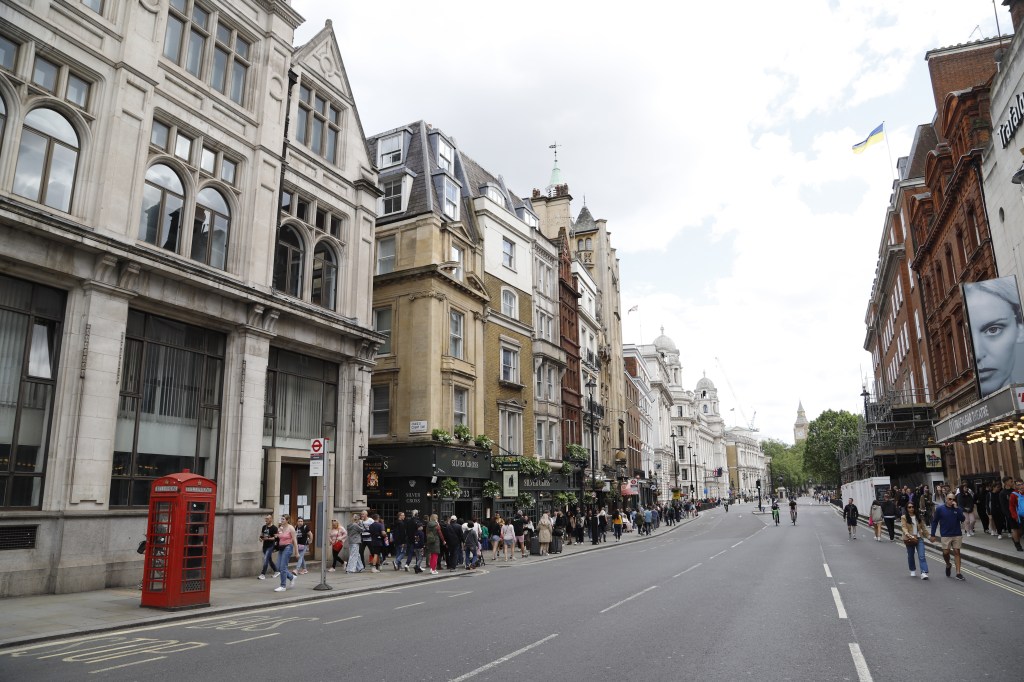
Speaking of iconic London, I joined the rest of the sightseers in my fascination with the red telephone booths. Realistically I don’t even know if they work or if the booths are kept simply for tourism. It wasn’t uncommon to see a line forming outside a phone booth so people could take selfies.
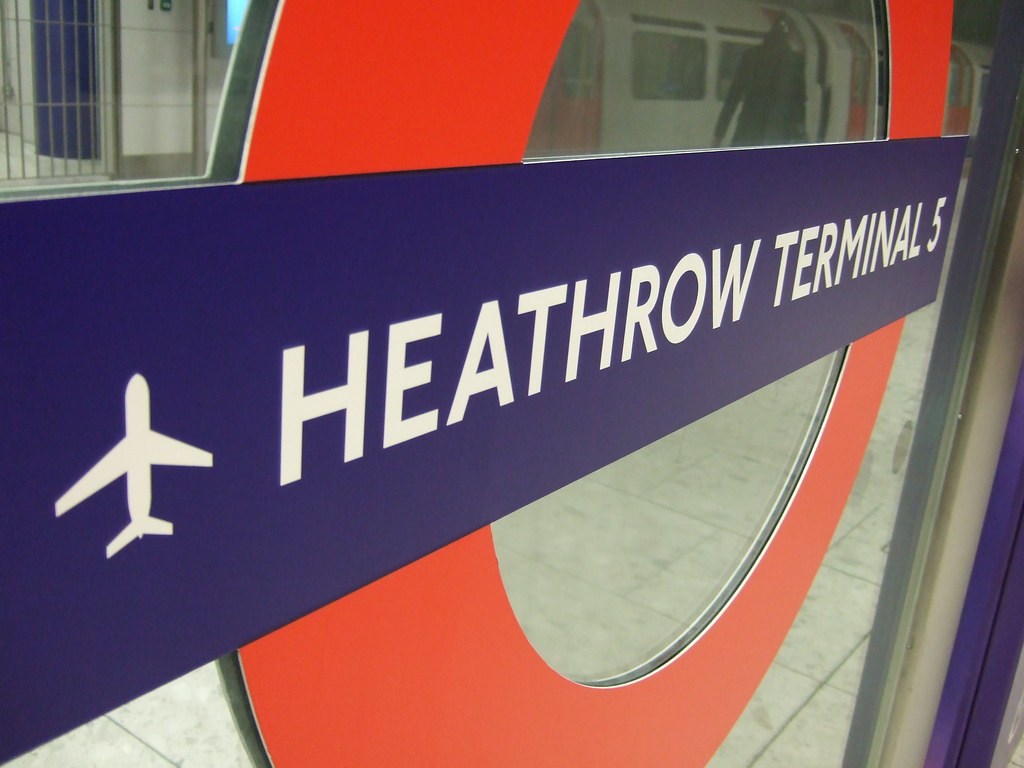
And just like that, it was time to leave. It isn’t difficult to explore the depths of what many cities have to offer in just two or three days. Unfortunately, this is not the case with London. After all, just getting from one side of the city to another could practically take an entire day with the traffic. I look forward to writing more about London during my next trip, whenever that may be.
 The Dark Passport