In between the faraway lands and exotic places we are fortunate enough to visit in this career are the more simple and close-to-home destinations. Sometimes these trips are for major events, such as the Asia-Pacific Economic Cooperation my coworkers and I supported in San Francisco last year. Others revolve around a handful of low-key meetings or some other target-specific scenario. One such recent opportunity was Niagara Falls, Canada.
Source: Dark Passport Photography
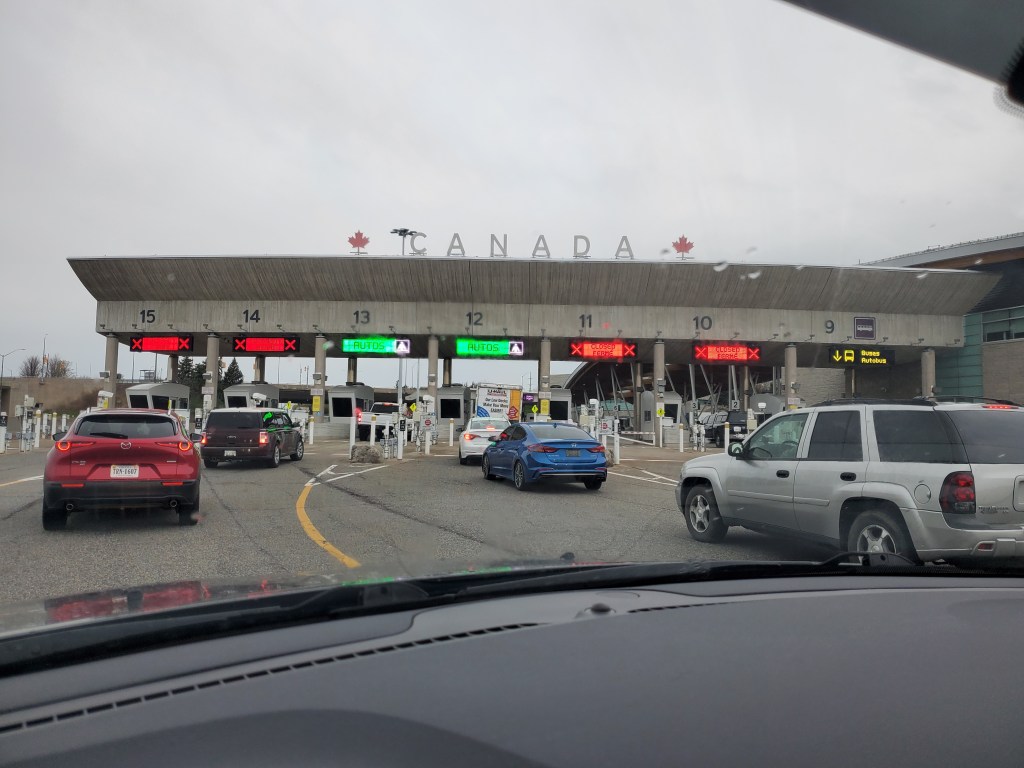
Although we did fly during this trip, the border crossings were done in vehicles. The mode of travel is always dependent on a myriad of factors which are in constant flux. Where are we coming from? Where are we going? How close is the airport or train station? How much does each form of transportation cost? What is our mission, who is accompanying us, and what equipment are we bringing? Does anybody know we are coming? What threats are present? The list goes on and on. Sometimes it’s even as easy as the most senior person on the team making a decision because that’s simply what they want to do.
Source: Dark Passport Photography
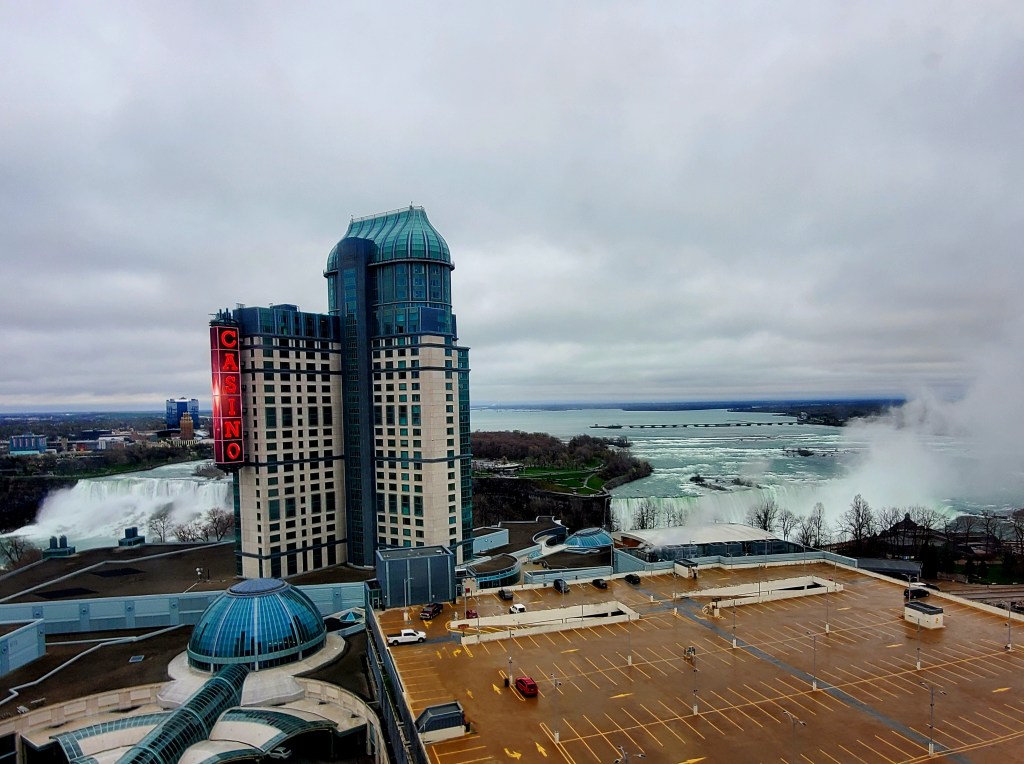
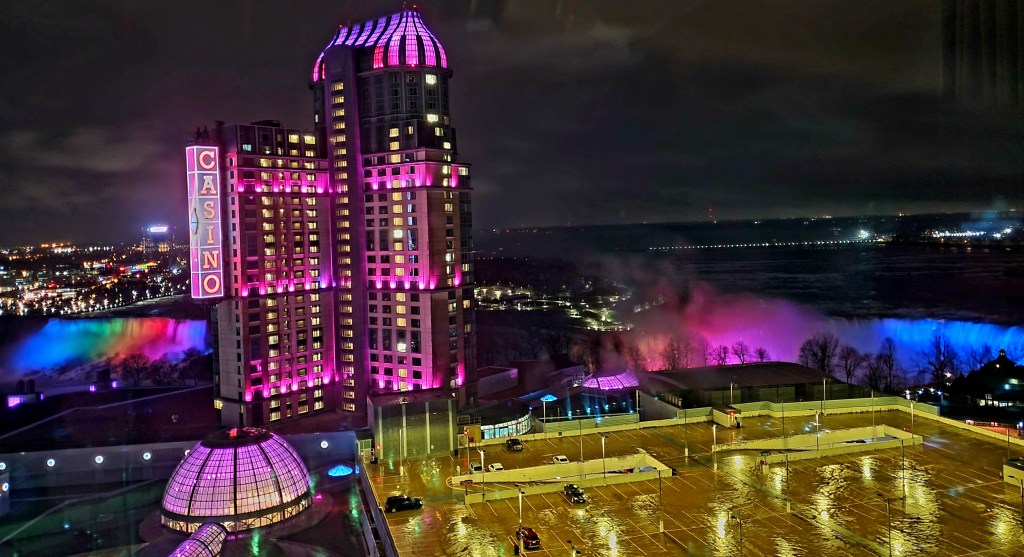
The real question is always, “What is the lodging situation?” Is it a tiny dorm room with a roommate like I had in training? Or the 5-star hotel with unlimited food and beverage I lounged in while visiting Dubai? For Niagara Falls, we knew the view would come at a premium. Since I wasn’t paying for the room, I wasn’t holding my breath. That is, until I was given a keycard to the 24th floor. “That’s probably not a bad view,” I thought while waiting for the elevator. As it turns out, I was correct. I practically ran to my window to happily discover I was looking directly at the waterfalls. Granted, there was a hotel and casino in the foreground, but I had still lucked out nonetheless.

Source: Dark Passport Photography
Alas, the proper area of Niagara Falls remains in existence almost entirely due to tourism and entertainment. As such, I should not have been surprised to see two TGI Fridays restaurants (which I didn’t even know existed anymore) within a quarter mile of each other. Directly in between both Fridays was an Applebee’s, to the north was a Margaritaville, and to the south was an Outback Steakhouse. “Okay,” I thought, “So this isn’t a foodie destination. But at least it’s always Friday.”

Source: Dark Passport Photography

Source: Dark Passport Photography
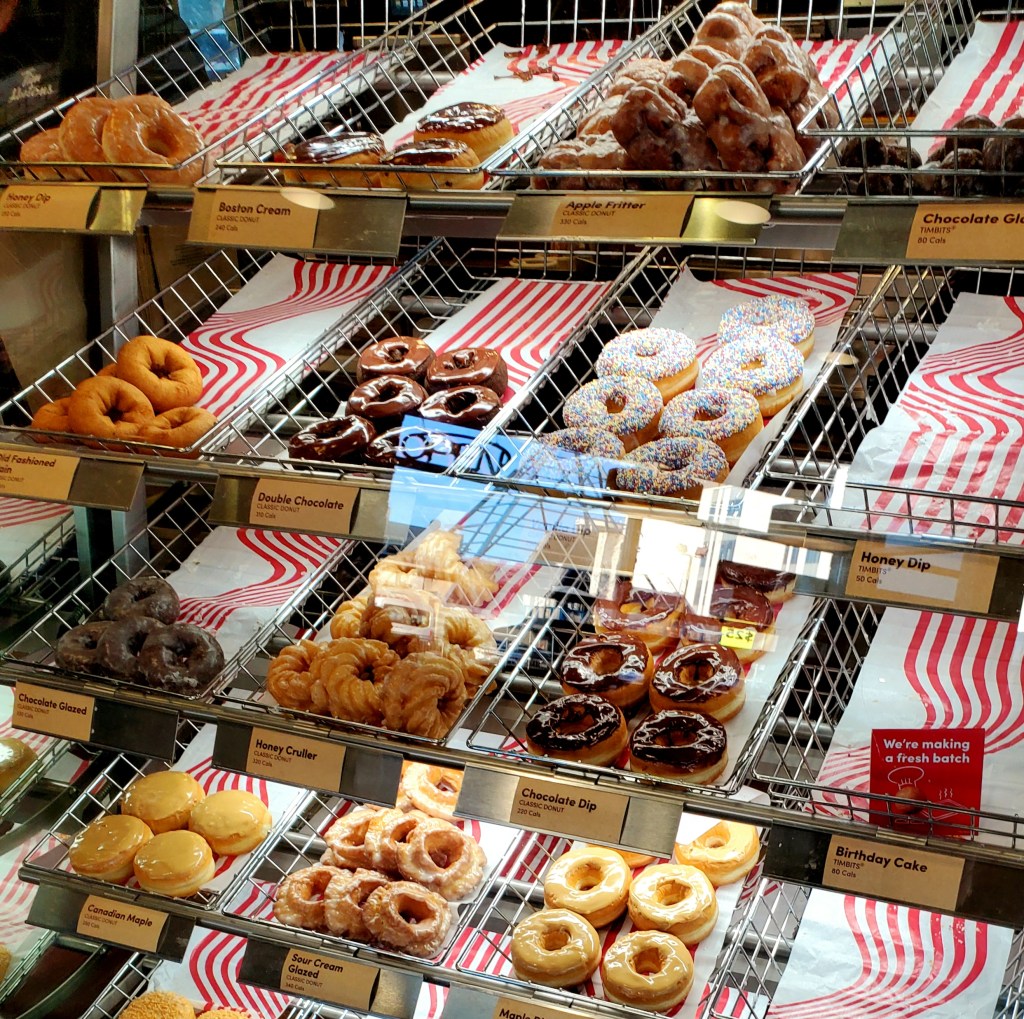
Despite the lack of good food in Niagara Falls, far be it from me to miss out on an opportunity to try out the local doughnut culture. The famed Tim Hortons is as ubiquitous in Canada as McDonald’s in America. Is it a coffee shop or a doughnut bakery? Nobody really knows, but many locations are open 24-hours and they also have flatbread pizzas and wraps. Something for everyone, I suppose.
Source: Dark Passport Photography
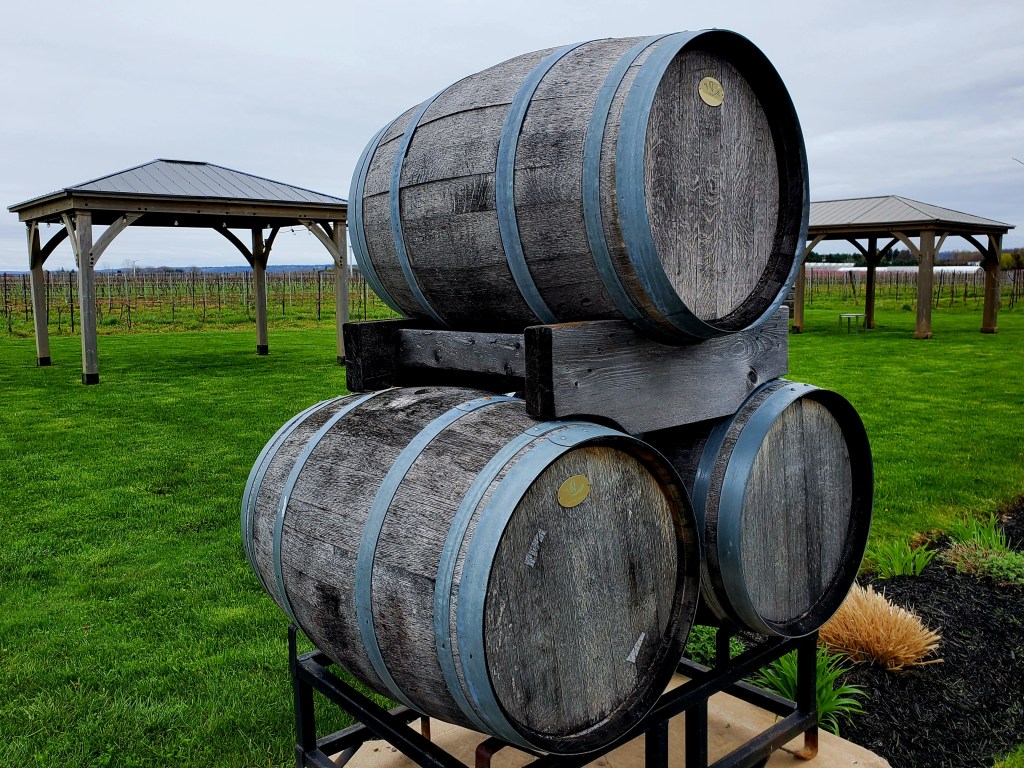
The food might not be any good, but the wine industry in Niagara is flourishing. Some of the sommeliers reading this surely knew better, but I was surprised to learn that the area surrounding Niagara Falls is littered with vineyards. The landscape changes dramatically once you travel just a few miles in either direction from the Falls. It turns out, the Niagara Peninsula and Upper Lake Erie regions have moderate climates considered similar to Burgundy or Bordeaux. In addition to ordinary red and white wines, the contrasting temperatures from summer to winter allow winemakers in Ontario to produce a specialty product known as “icewine”.
Remaining on the vine in temperatures below 17 degrees Fahrenheit, the grapes freeze and the water inside of them becomes solid while the sugary nectar remains liquid. The grapes are then picked during narrow windows of time (typically overnight) when it is cold enough for them to be transferred to a press to have the juices extracted while the water remains frozen. The resulting product, once fermented, is a gloriously sweet and delectable wine that is bottled and sold throughout the world at premium prices. For example, the icewine sampled by the host in the video embedded above costs $100 for 375ml, which is exactly half the size of an ordinary wine bottle.
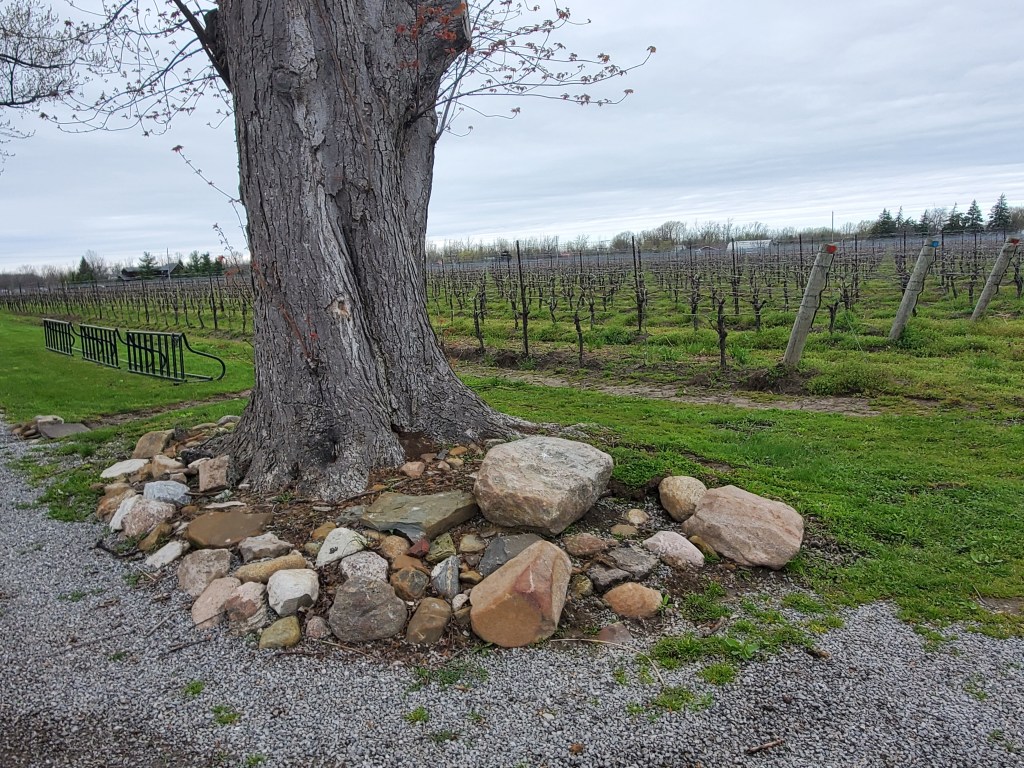
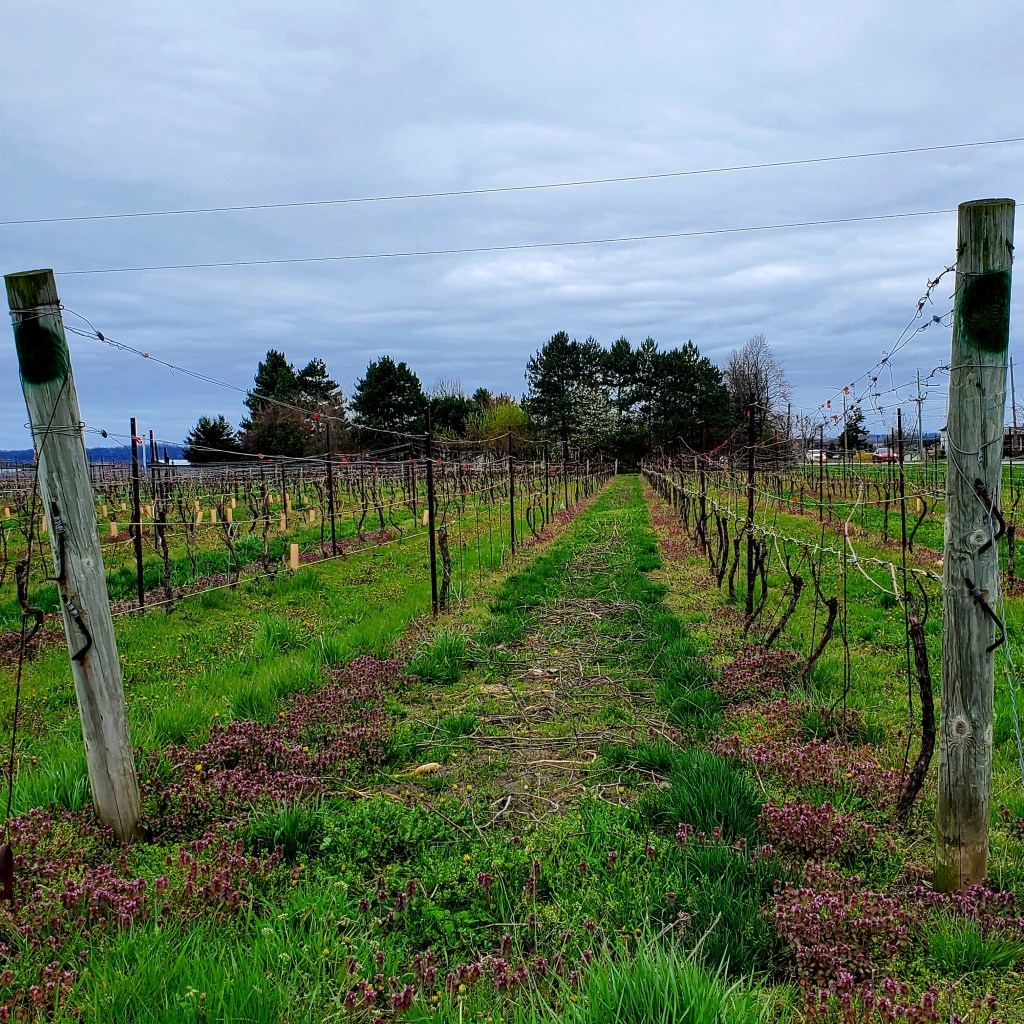
Fortunately for someone who prefers to stay warm, we missed the freezing icewine grape harvest season. Still, we enjoyed the serene experience of strolling quietly among the rows of vines. The green grass and the gentle breeze accompany the feeling of imagining how much work goes into making a single bottle of wine. Naturally, some of the people in our party took it a step further and sampled the finished product in order to get the full experience.

Source: Dark Passport Photography
Source: Dark Passport Photography
Source: Dark Passport Photography
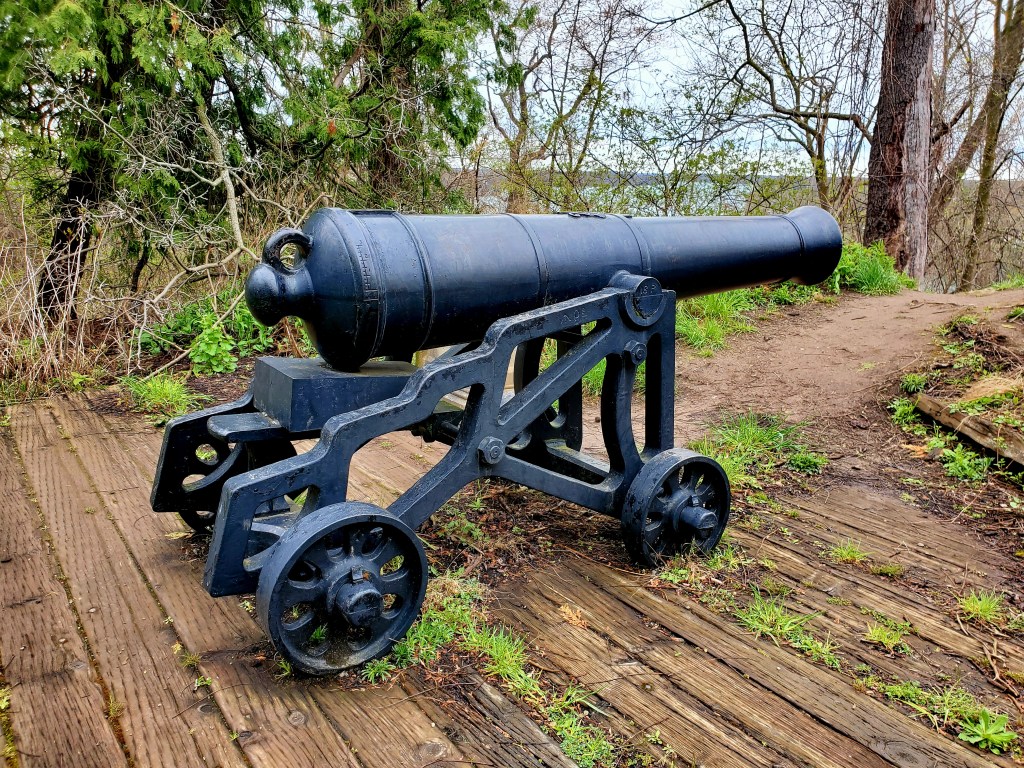
Separating the United States from Canada in the Niagara Falls area is the Niagara River. The strait also served as the border over 200 years ago during the War of 1812. A scenic drive along the adjacent Niagara River Parkway reveals numerous sights prior to an easy-to-miss historic landmark of the war.
Source: Dark Passport Photography
Having grown tired of British aggression, the United States declared war on the United Kingdom and its North American allies in 1812. Under the direction of President James Madison, the order was given by Governor of New York Daniel Tompkins (who later became Vice President of the United States) for U.S. forces at Fort Niagara to make the 250-yard crossing of the Niagara River to commence an invasion of Upper Canada that would become known as the Battle of Queenston Heights. Considered the first major battle of the War of 1812, the Americans temporarily seized control of the Canadian escarpment and cannon battery which strategically overlooked the river near Queenston. Although they were soon pushed back across the river by British forces aided by local tribesmen, the Americans succeeded in mortally wounding one of Britain’s most admired army officers, Major General Isaac Brock.

Source: Dark Passport Photography
Source: Dark Passport Photography
Back at the hotel, we packed up after another successful mission. The views proved to be spectacular, day or night. I left with some parting thoughts about how great it is that I get to travel the world as a profession, yet sometimes simply crossing the nearest border by land is all it takes to enjoy the experience of a new culture.
Source: Dark Passport Photography
Source: Dark Passport Photography
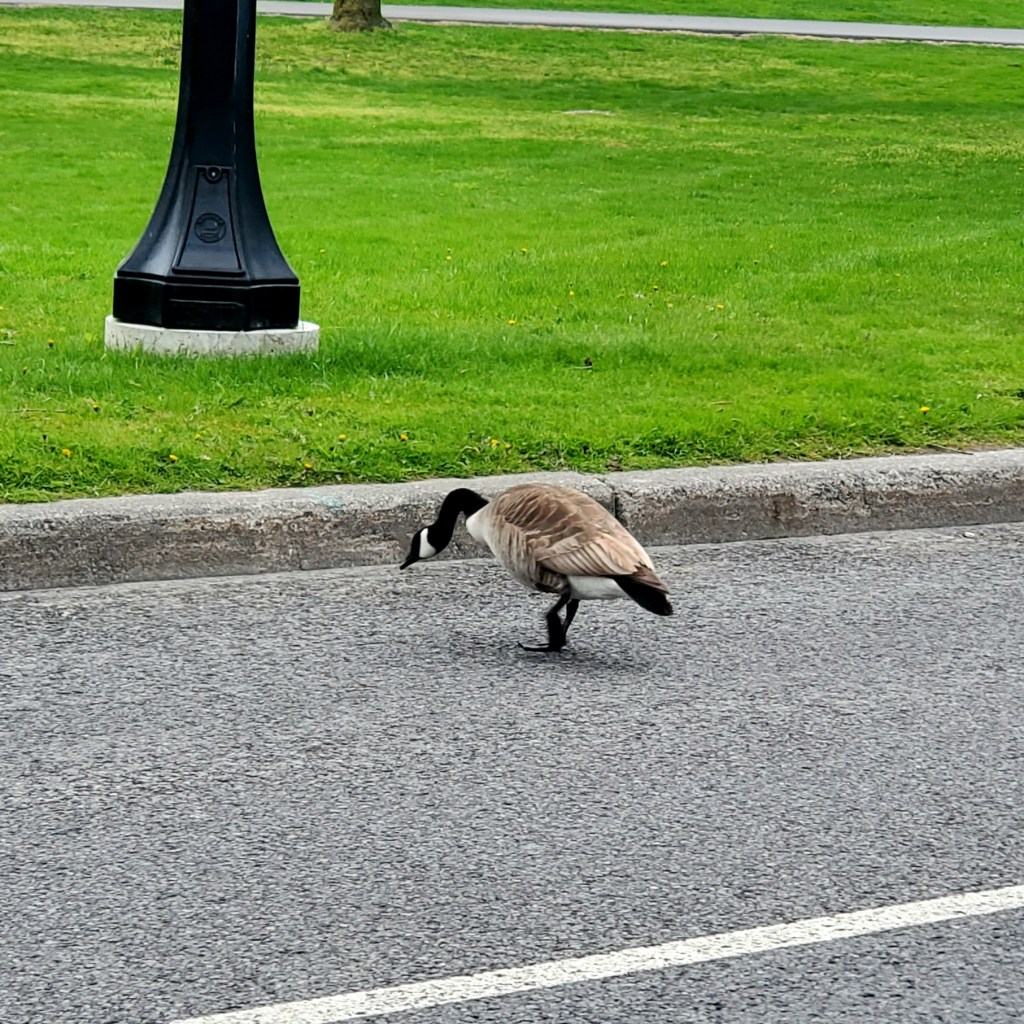
Source: Dark Passport Photography
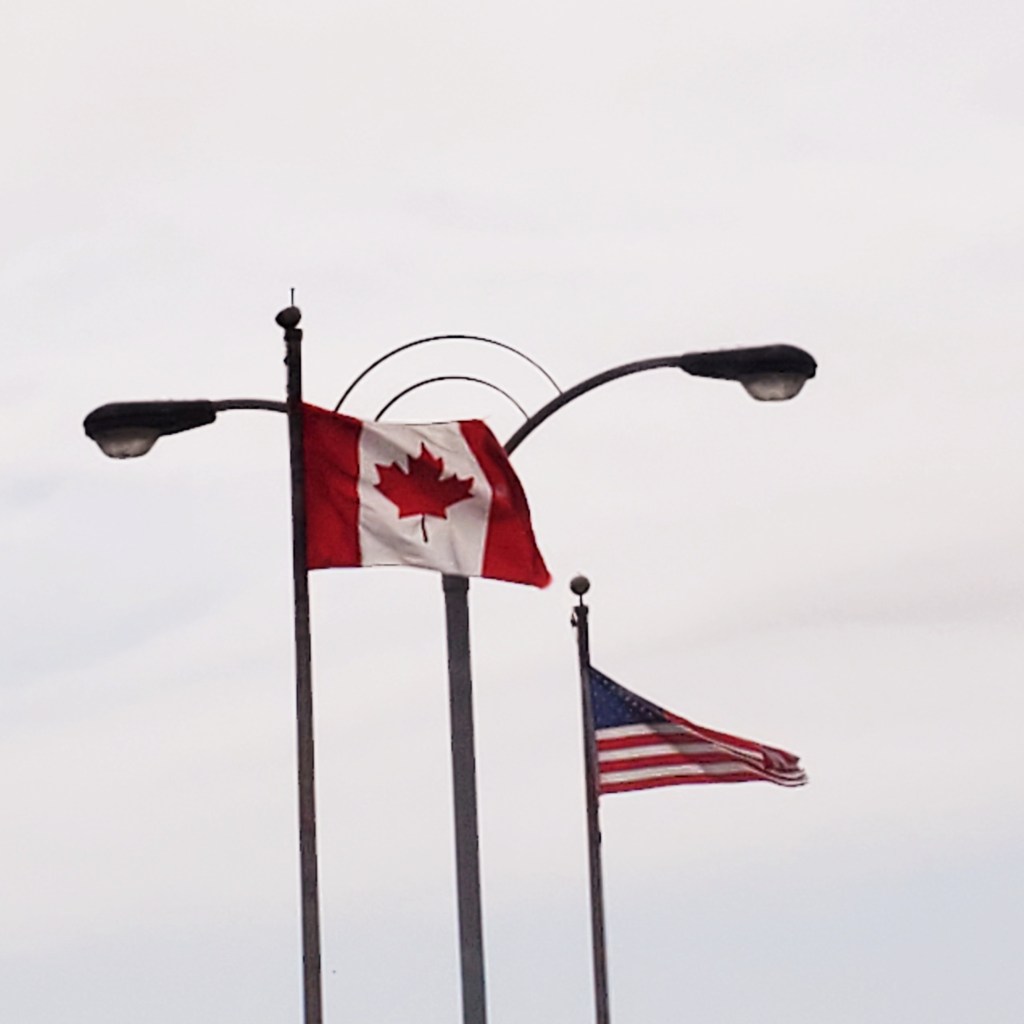
Source: Dark Passport Photography
 The Dark Passport