This is a continuation of Blog 36: The 75-Year Flood Part I.
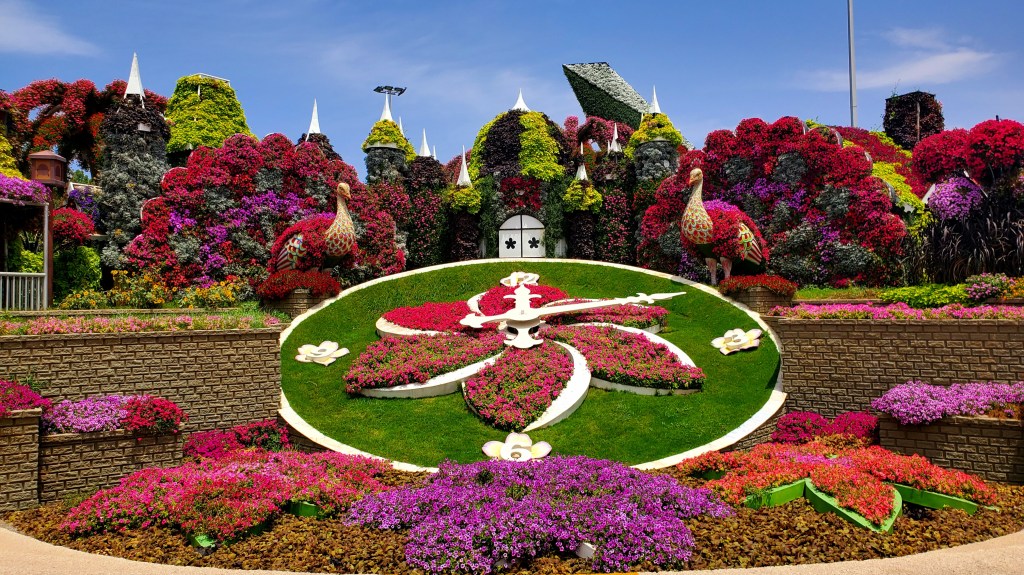
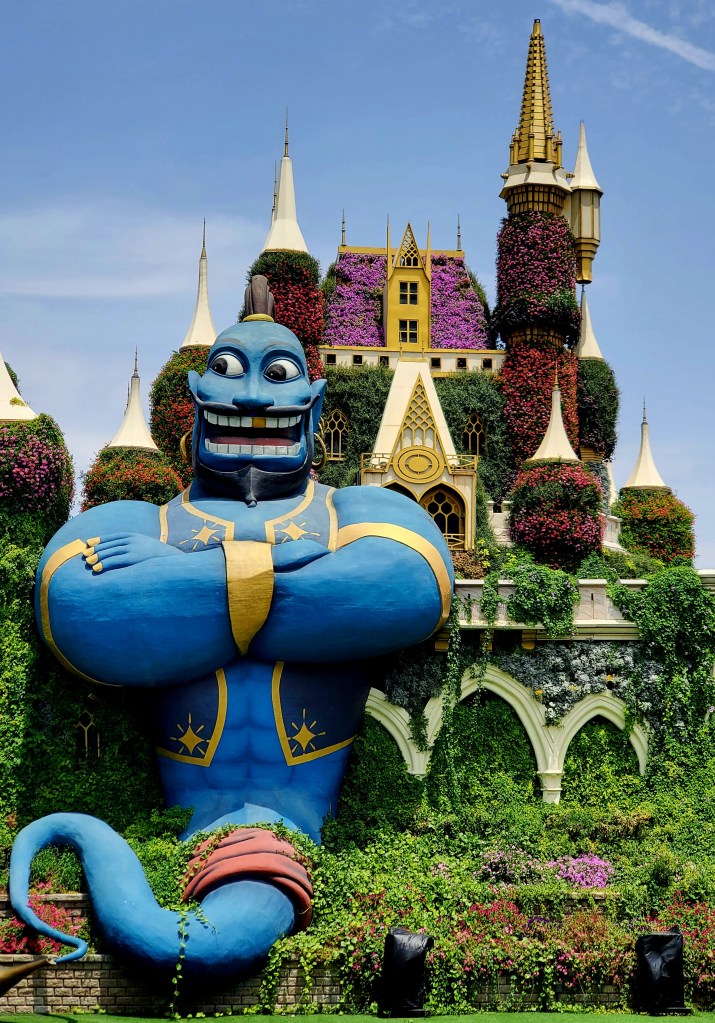
While visiting the city of Dubai, I did manage to brave the desert heat and Gulf humidity to visit some outdoor attractions. The Dubai Miracle Garden is the world’s largest flower garden and serves as a sanctuary from the harsh natural environment of the surrounding area.

Source: Dark Passport Photography

Source: Dark Passport Photography

Source: Dark Passport Photography
Source: Dark Passport Photography
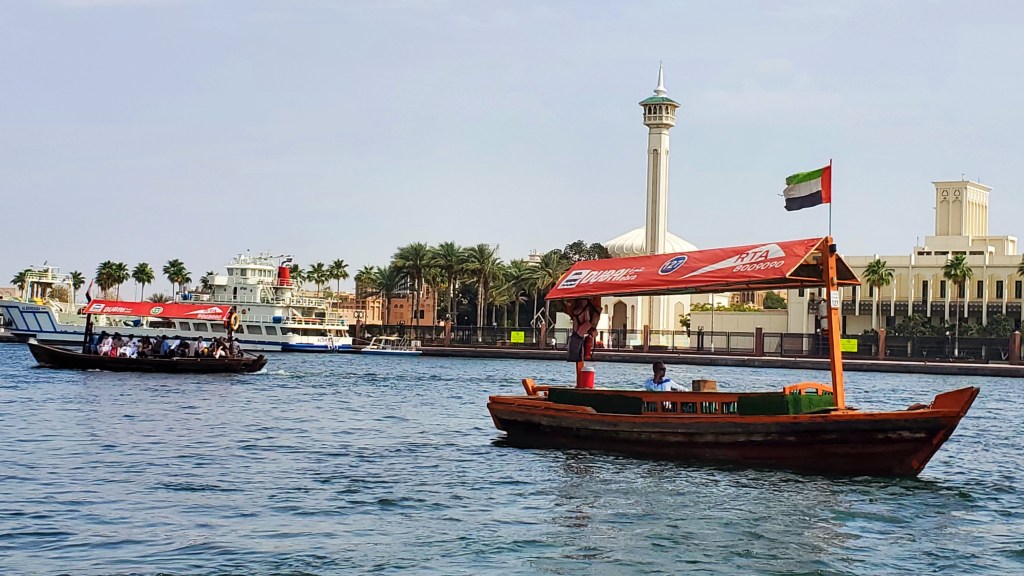
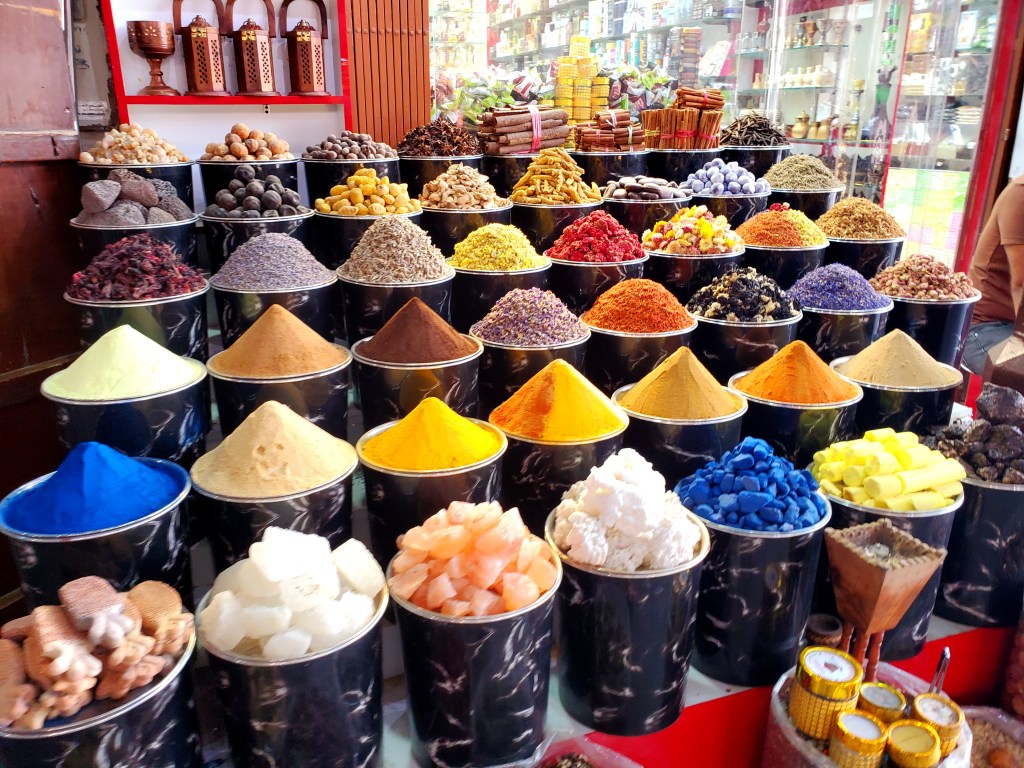
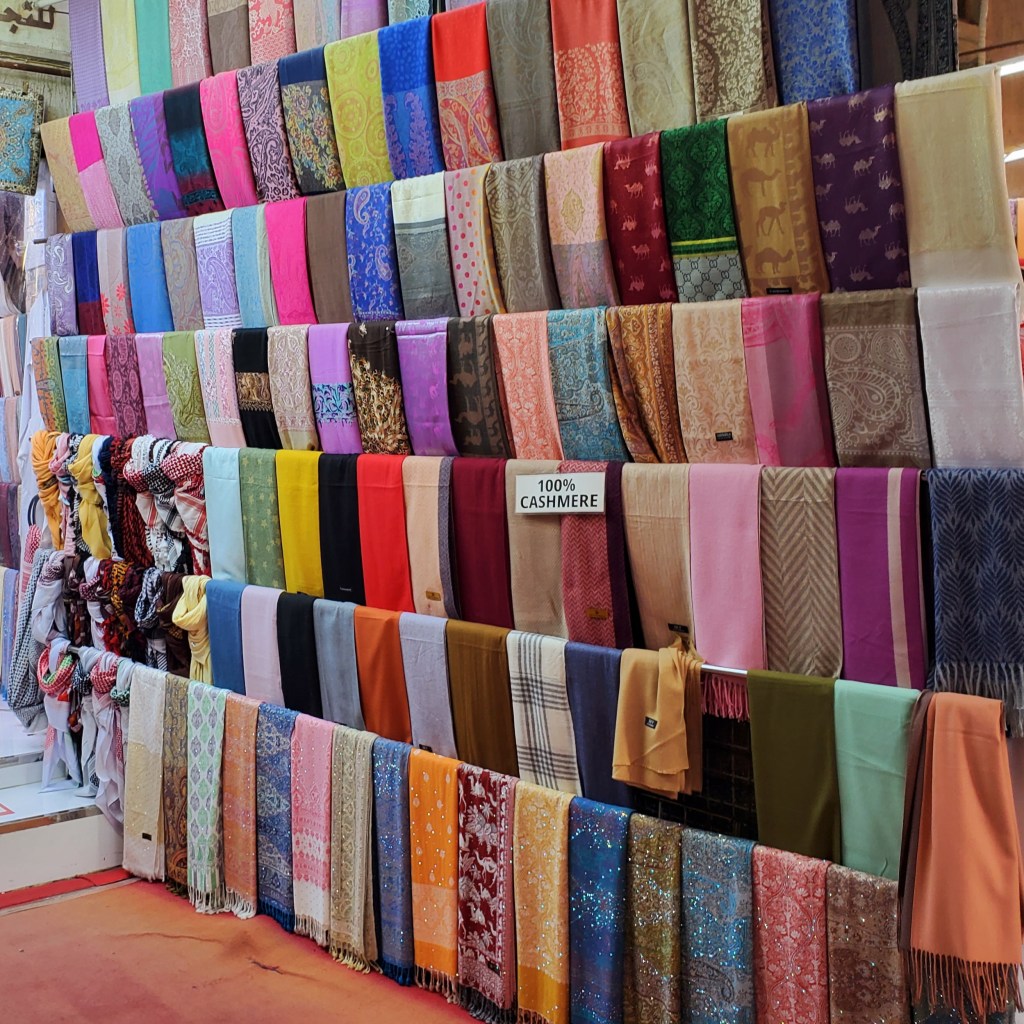
Another must-see area for any Dubai tourist is the souks. Translated from the Arabic word for market, these bazaars are located across the Dubai Creek from the Al Fahidi Historic Neighborhood and the Al Seef waterfront promenade. The easiest way to get from one side to the other is to pay 1 dirham (equivalent to 25 U.S. cents) to ride a small motorized water taxi known as an abra. Once in the souks, anyone who is clearly a foreigner should be prepared to get cajoled by shop attendants selling anything that is shiny, smells good, or looks expensive. These are the kind of swindlers who catch your attention by asking a seemingly innocent question such as, “Where are you from?” and seven minutes later have sold you the shirt off your own back for three times what it’s worth and made you think it was your idea.

Source: Dark Passport Photography

Source: Dark Passport Photography

Source: Dark Passport Photography
Source: Dark Passport Photography
Source: Dark Passport Photography
The sightseeing aspect of this trip soon came to an abrupt end. Sure, we had a lot of work to do. But the real problem was the natural disaster that was about to hit us.
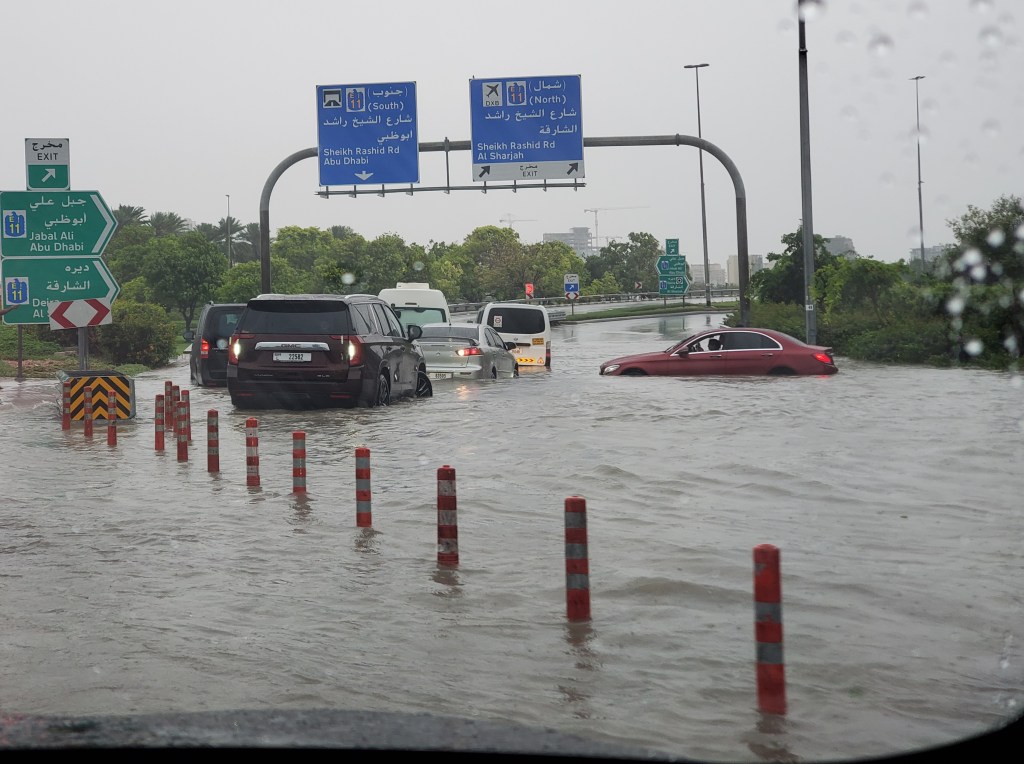
The average annual rainfall in the desert city of Dubai is about three inches. During this trip, we experienced an unprecedented six inches of rain in only 24 hours. Yes, that means two years of rain in a single day. In the 75-year recorded history of weather in Dubai, nothing like this had ever happened before. This normally dry environment, now filled with buildings and roads, was built without consideration for the occasional flood. It only took a few hours for the chaos to ensue. Hundreds of waterlogged cars were left abandoned on the flooded roadways, their occupants forced to wade home for miles through murky waist-deep water. Underground garages became aquariums. Leaks sprang up in concealed passageways meant for electrical wiring and communications cables, knocking out power and internet in brand new luxury structures that were built with quantity not quality in mind. Fire alarms rang throughout the city as the water shorted out their circuit boards. Soaked ceiling tiles and wet slabs of sheetrock fell from above. It was a catastrophe. And the worst part was nobody could leave.

Source: Dark Passport Photography
Source: Dark Passport Photography
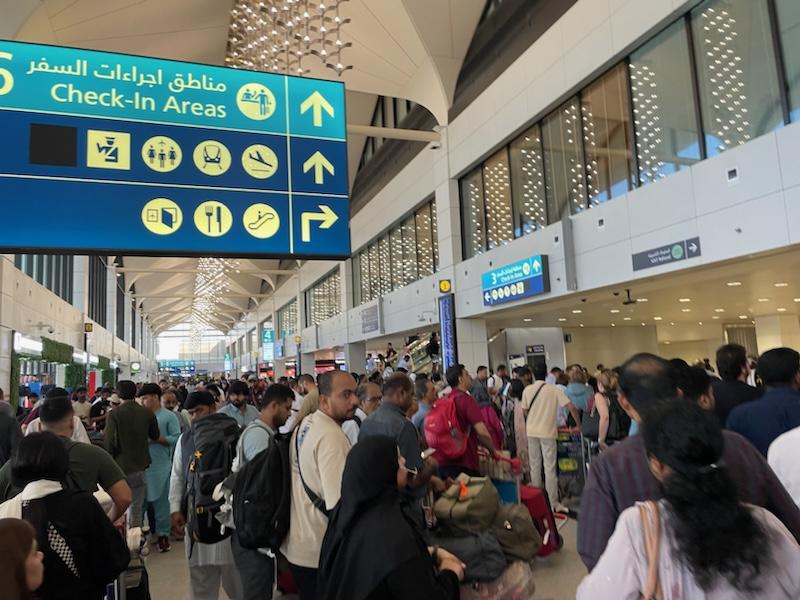
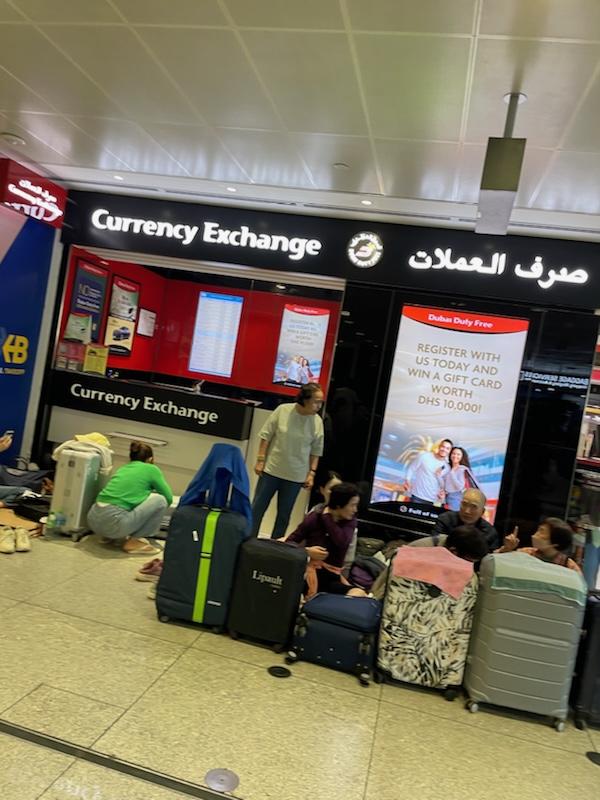
Even once the rain began to subside, there was another major problem: Despite being the world’s busiest international airport, the second largest building in the world, and the largest airport terminal in the world; the famous Dubai International Airport ceased operations during most of the storm. The canceled flights and resultant backlog left many thousands of people, including yours truly, stranded in the airport for several days. The most luxurious airport in the world was reduced to the most luxurious refugee camp in the world as the bathrooms became overwhelmed the restaurants ran out of food.
Source: Dark Passport Photography
Source: Dark Passport Photography
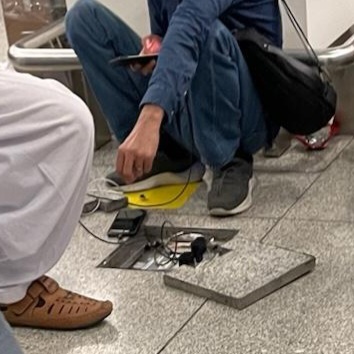
At the peak of the chaos, our U.S. government travel agency found no planes out of the country for five days. By the time it was all said and done, I lost track of the flights I experienced that were canceled, overbooked, and delayed. I completely missed some and was standby for others. Ironically, my very last connecting leg home was the most pleasant of the entire trip. I managed to get far enough way from the UAE at that point to board a redeye that wasn’t at capacity. The flight attendants even asked if I wanted a free upgrade to the next higher class. “No, thank you.” I replied as I looked down at the entire row I had completely to myself. “I have everything I need here.”
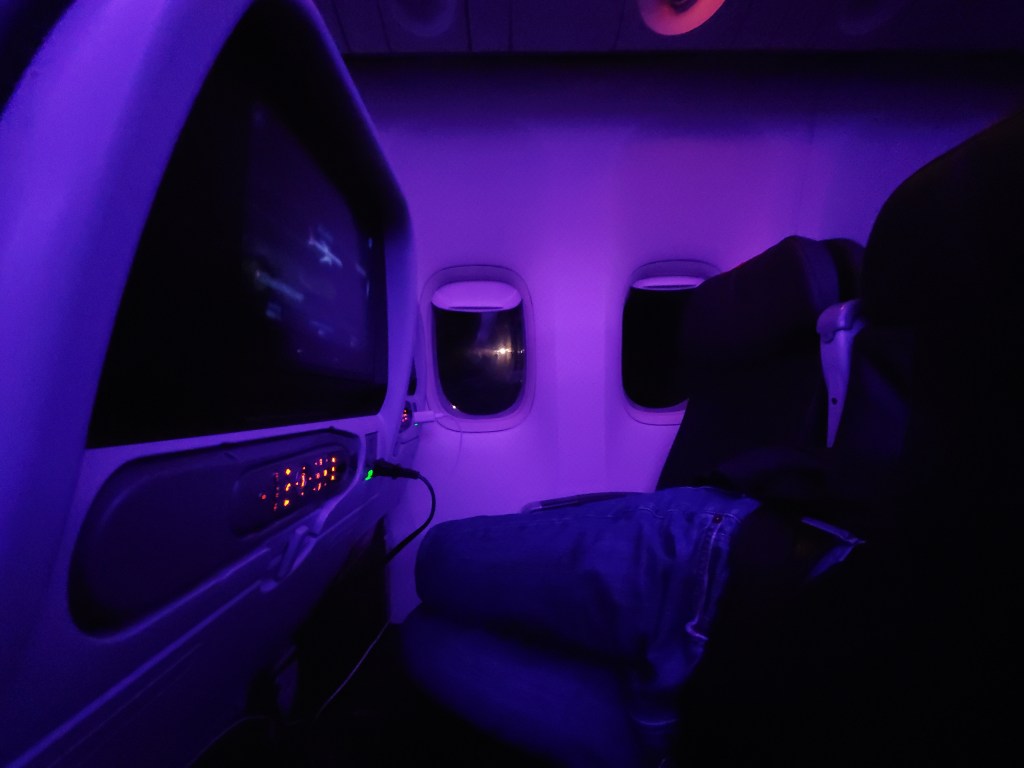
As I arranged my collection of pillows and blankets to form a makeshift bed across three Boeing 777 economy seats, I took a peek out the window at an incredible sunset. After the flight crew dimmed the cabin lights and I curled up to the relaxing white-noise of turbofan jet engines blasting us towards the United States, I closed my eyes and thought, “What a life.”

Source: Dark Passport Photography
 The Dark Passport