Continued from Blog #33: Munich Security Conference
Hallway reputation. Personal brand. Leadership shadow. Regardless of the buzzwords we use to describe the way others think about us in the workplace, a bad reputation can be hard to shake. The concept isn’t exclusive to humans, either. Amsterdam banned the smoking of cannabis in public in an attempt to rid themselves of their stigma as being a pot smoker’s paradise. Miami Beach “broke up” with spring break after parties turned to mayhem in years prior. Even the former murder capital of the world, Medellin, successfully altered its image and became safer than the worst cities in the United States. Yet some places, just like people, simply embrace themselves for who they are. Whether it’s Germany’s official travel website referring to beer halls as part of Munich’s identity or National Geographic boldly stamping Munich as Germany’s beer capital, the city seems to be just fine with its thirsty visitors. Fortunately, with a few weeks of carving out small bits of downtime during the Munich Security Conference, my coworkers and I were able to discover that the capital of Bavaria had a lot more to offer than just malted hops and barley. But first, we had to get there.
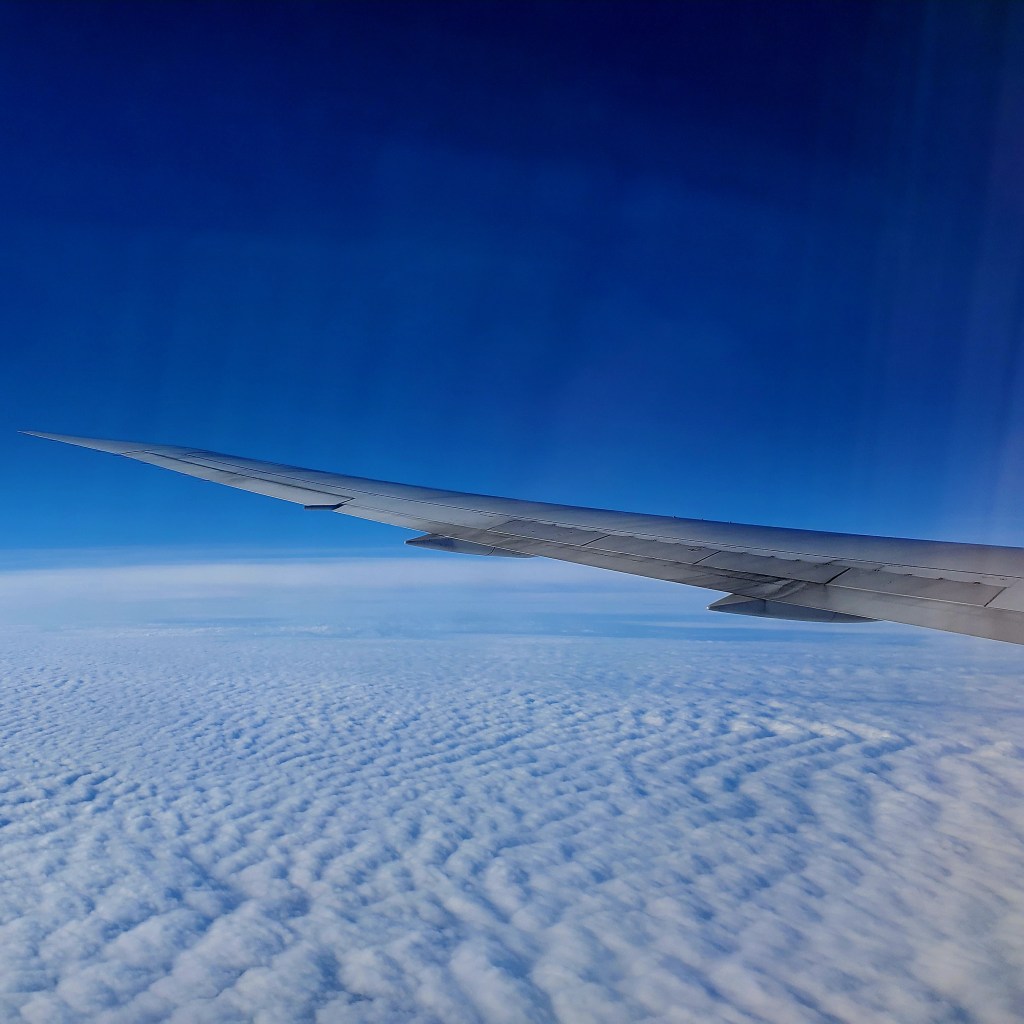
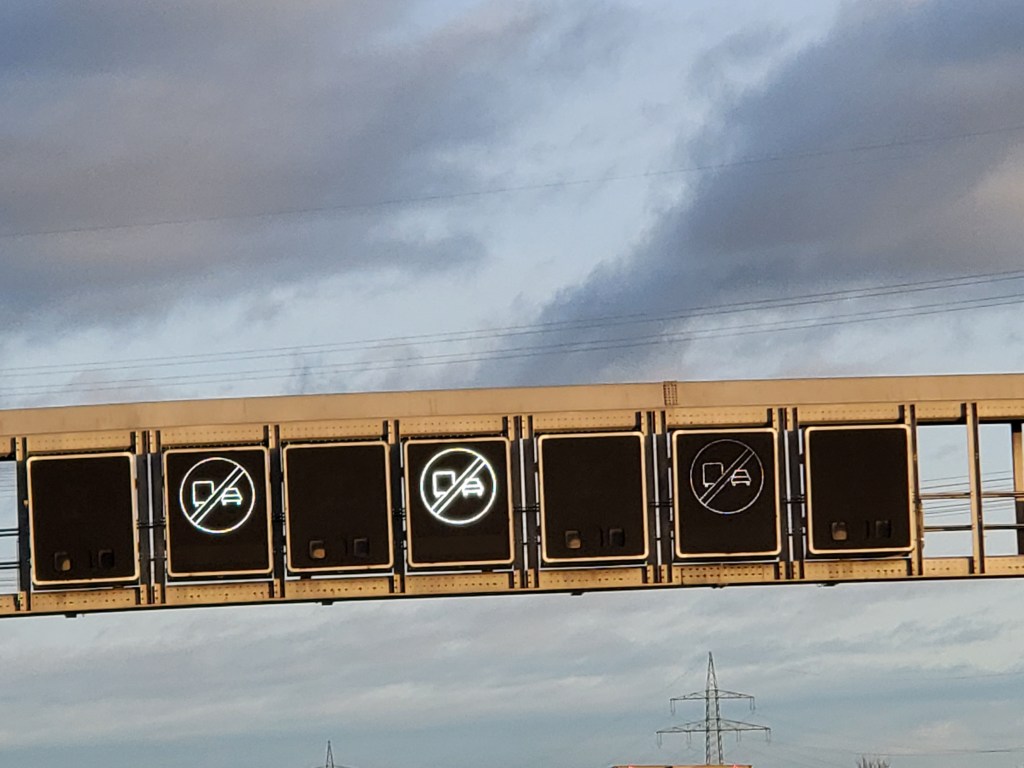
Fortunately for the adrenaline junkies flying into Munich, the airport is 20 miles from the city center along the infamous autobahn. Contrary to popular belief, much of the autobahn actually does have variable speed limits especially in populated areas or along treacherous routes. Some say it’s not a coincidence, however, that speed restrictions are lifted so close to the headquarters of BMW in Munich. Unless otherwise indicated, Germany recommends a maximum speed of 130kph (81mph) on the autobahn. But when you see the notorious white signs with five black diagonal lines, all bets are off.

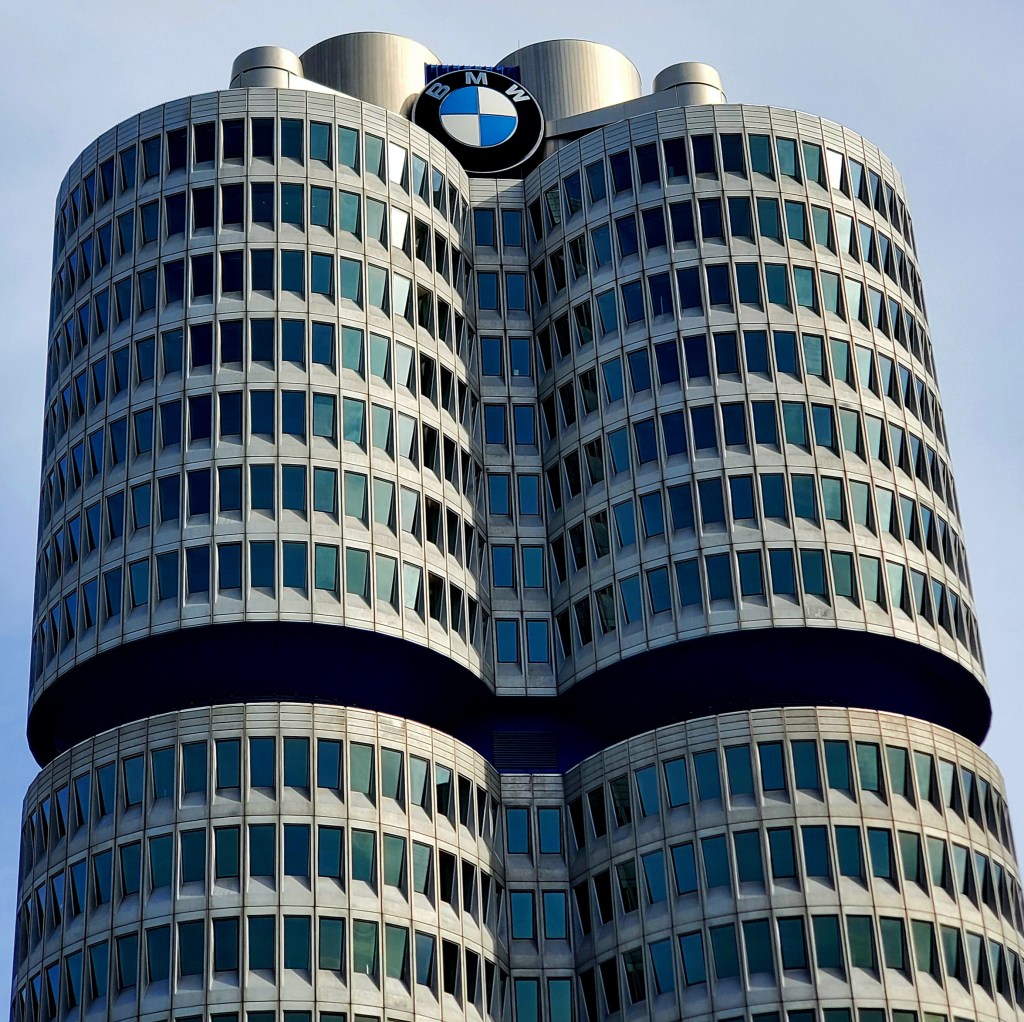
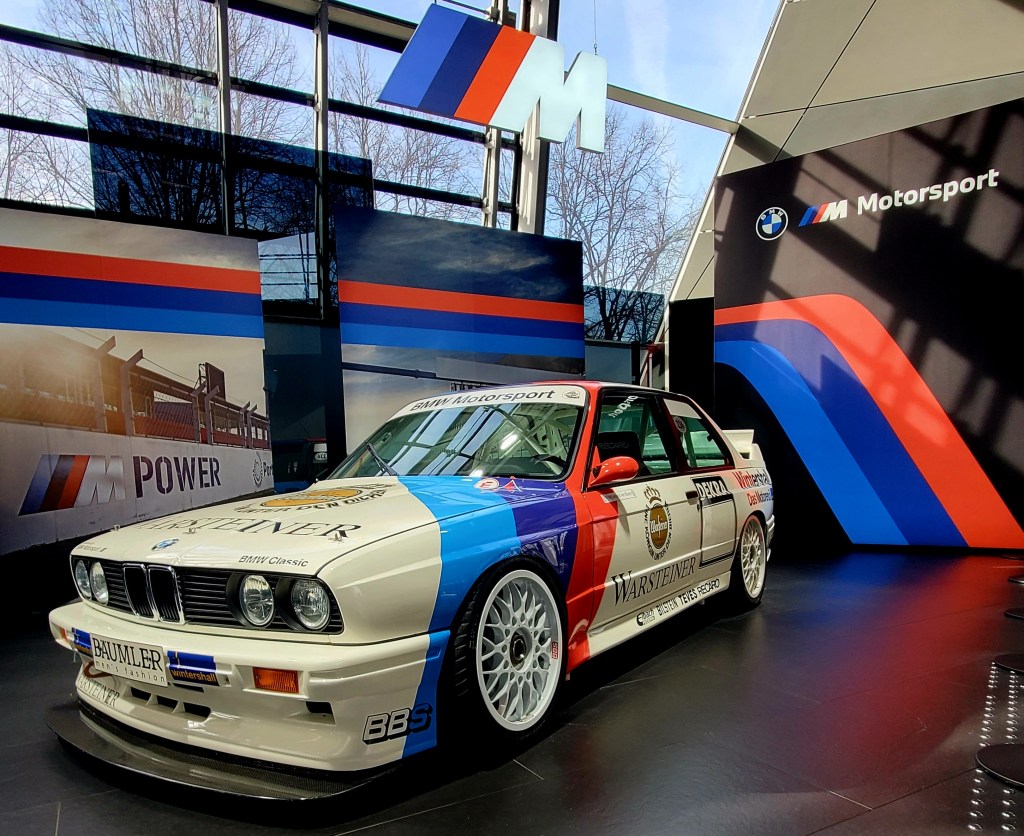
Speaking of BMW, the headquarters and original manufacturing facility of the famed automaker is located in Munich. Despite being repurposed and nearly destroyed during World War II (a fact often glossed over by Germans) the plant has remained active since 1922. The headquarters building is much newer, having been completed from the top down (not the ground up!) in 1972 just in time for the Olympic Games.
On the other side of the highway from BMW is the Olympiapark, the home of the 1972 Summer Olympics. Unlike so many other Olympics venues, Munich continues to maintain and use most of their athletic facilities to this day.

Source: Dark Passport Photography

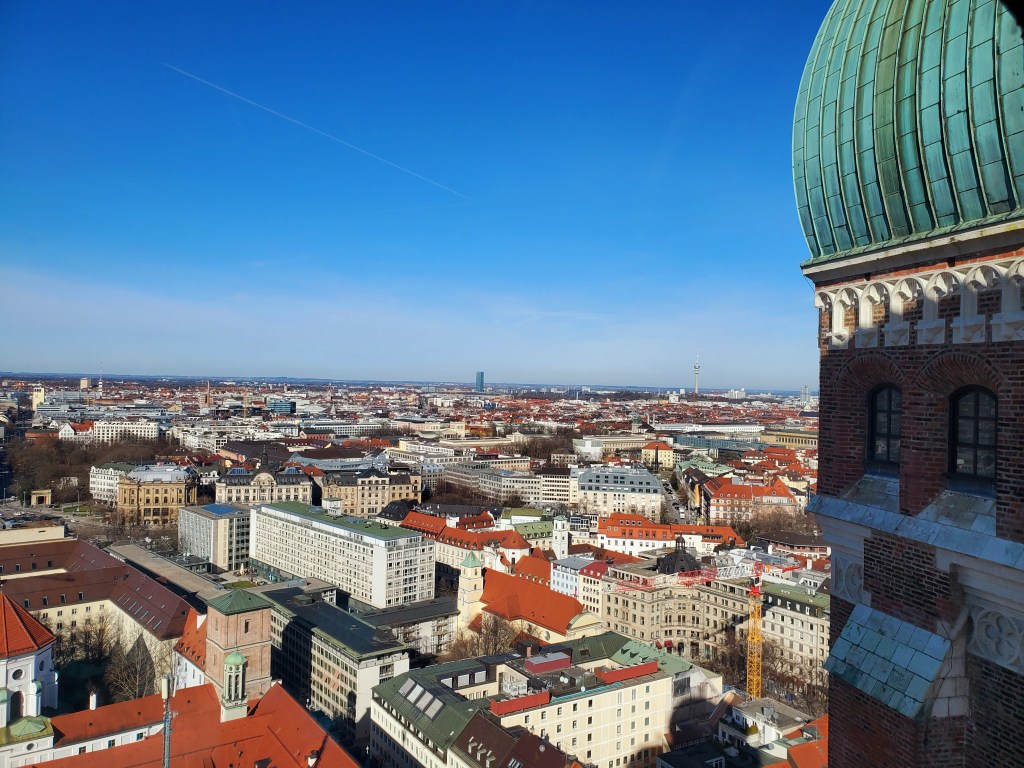
Although not nearly as expansive but perhaps more intriguing is the view from the south tower of the Frauenkirche, Munich’s most famous landmark.
Source: Dark Passport Photography
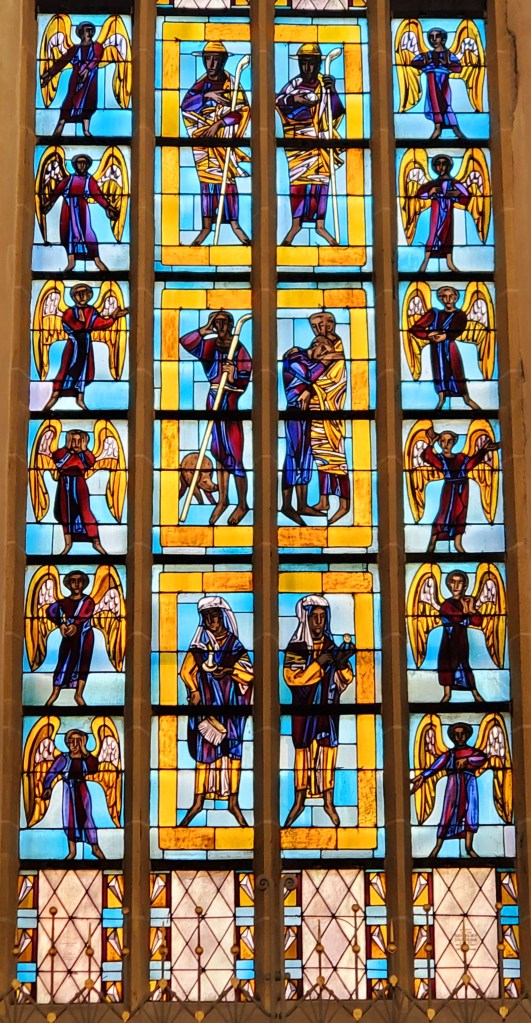

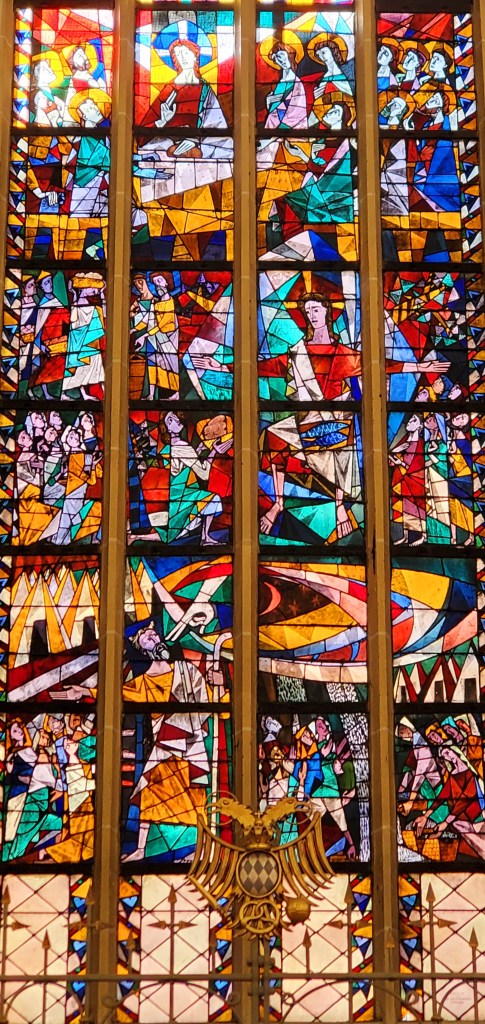

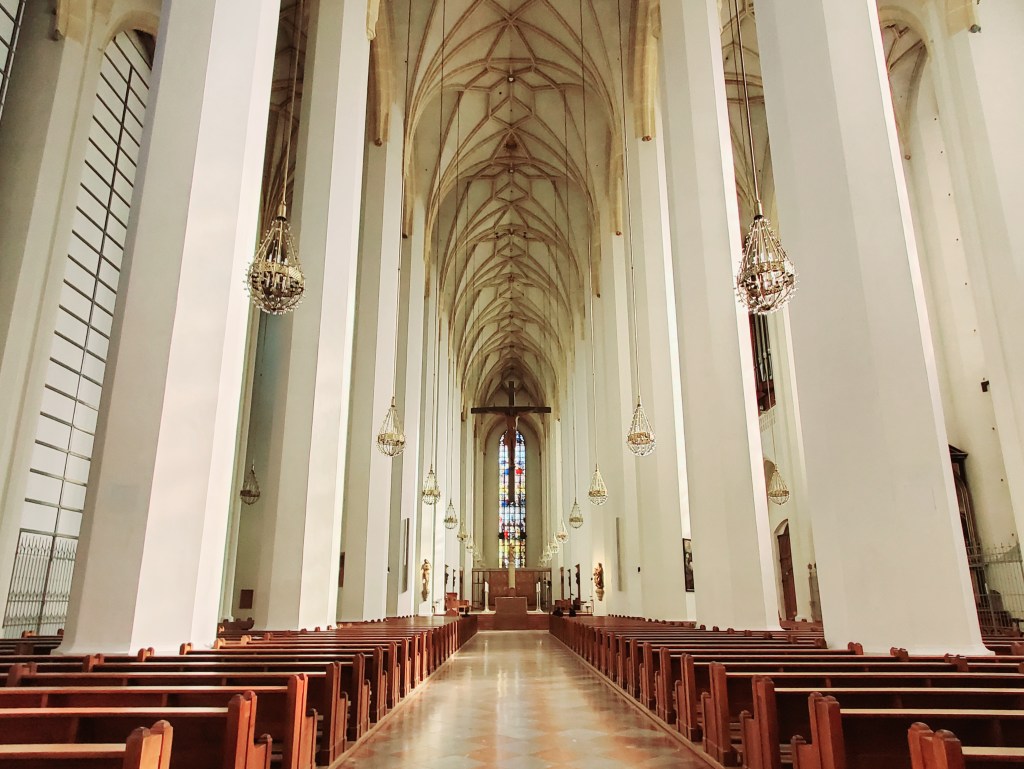
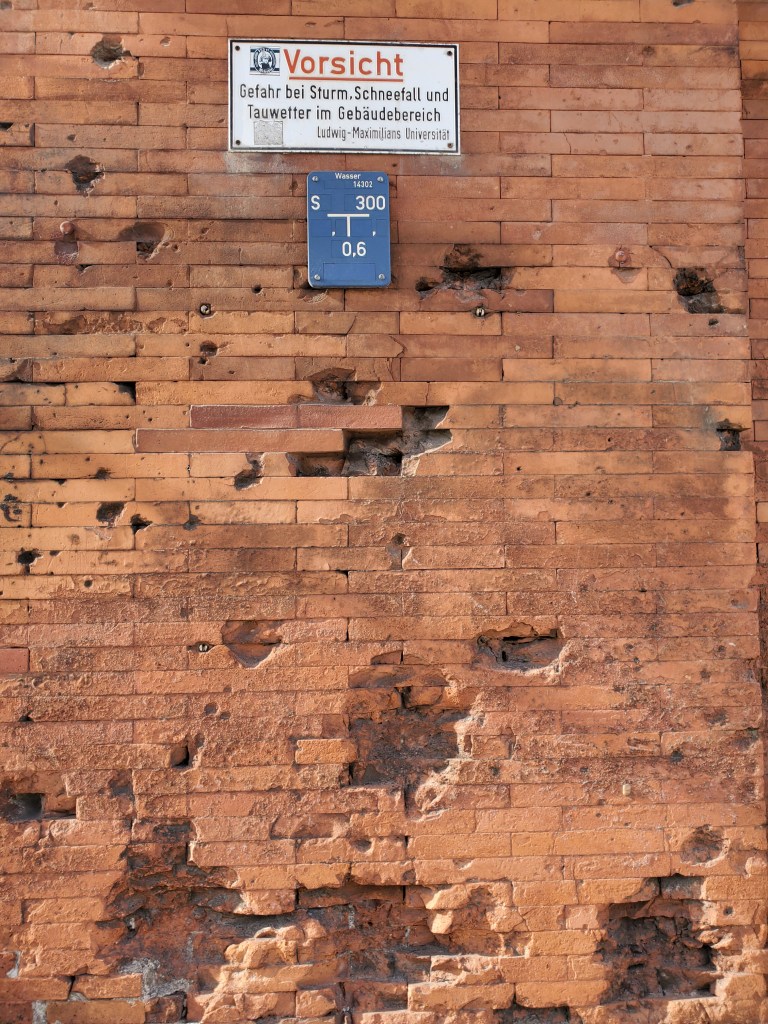
If you’re impressed with the condition of the interior of the cathedral, it is sadly due to not being totally original. The historic building, like most of the city, was almost leveled by World War II bombing raids. Even if the Germans didn’t have to rebuild so many of their structures in the wake of losing the war, it would remain a period of time they’d rather forget. As such, almost no remnants of the conflict can be found in the city, with one minor exception being the Ludwig Maximilian University of Munich.

Source: Dark Passport Photography
Some of the most important and seemingly historic buildings in the city weren’t spared during the war and thus have been restored over the past eight decades. The heart of Munich, known as the Marienplatz (Mary’s Square) is both figuratively and literally the city center. On the north side of the square is the iconic Neues Rathaus (New Town Hall) which contains a glockenspiel that functions as a gigantic clock.
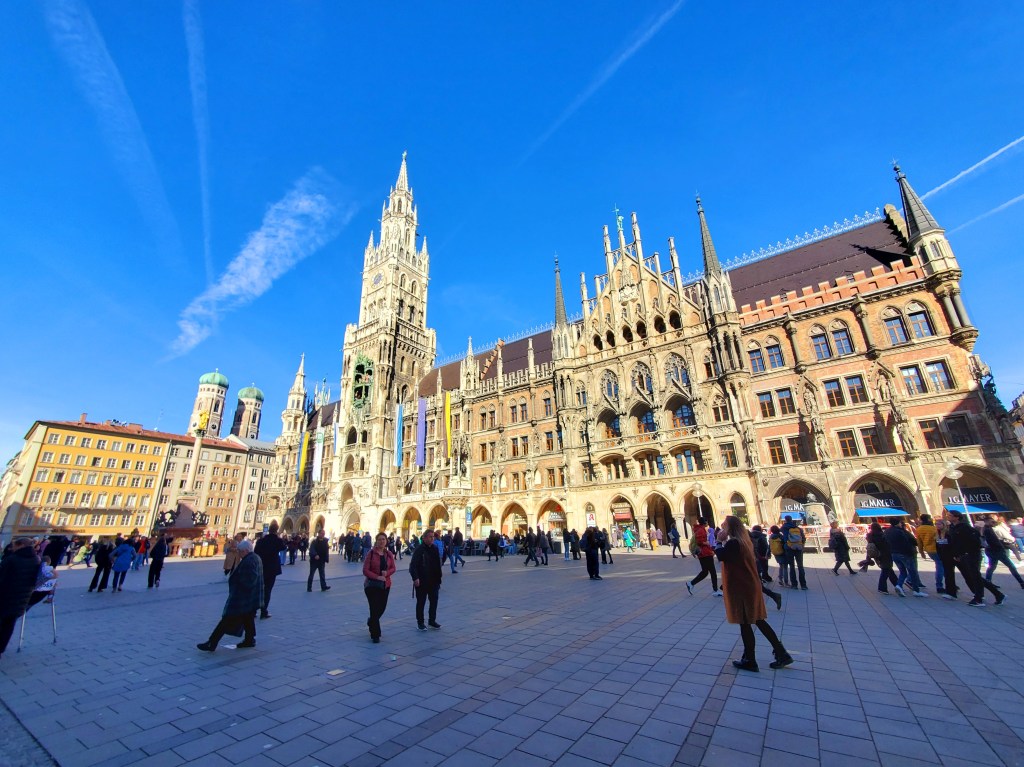
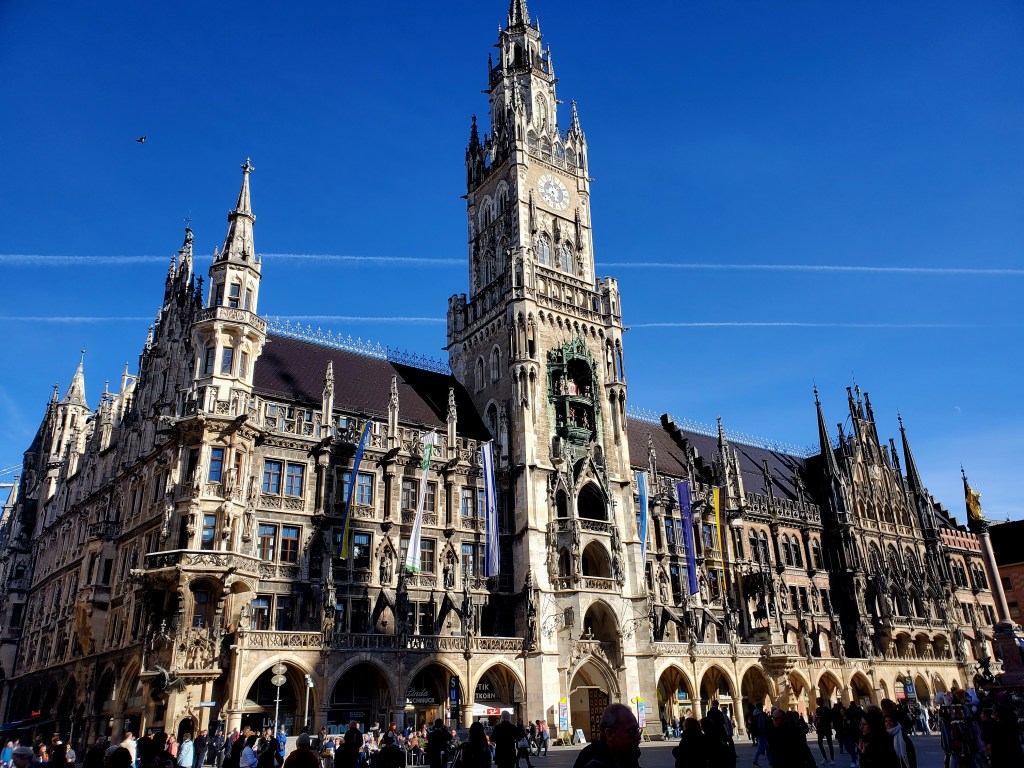
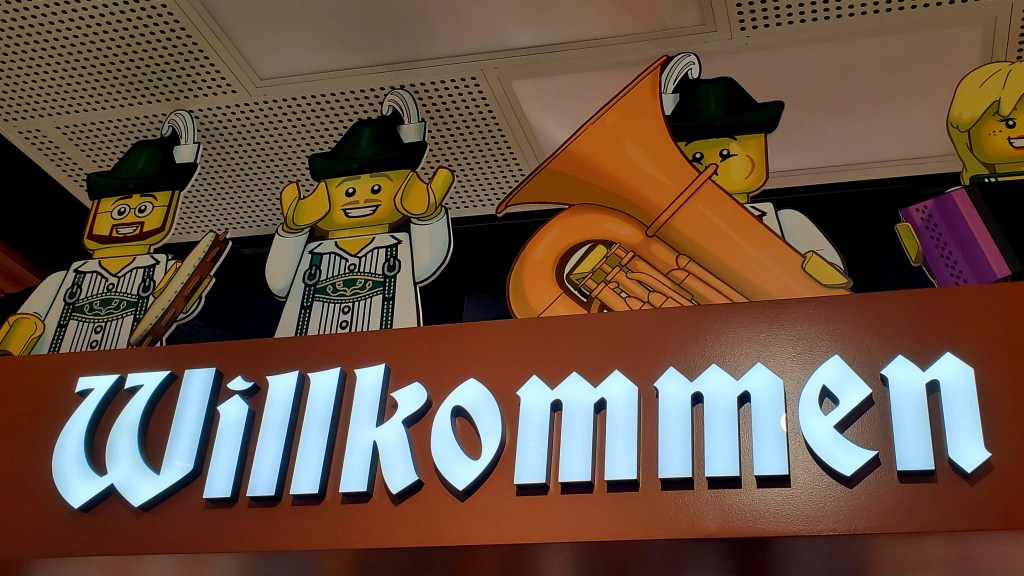
Due to its irrevocable status as a tourist attraction, the Marienplatz is also home to some of the best modern-day shopping in Munich. My inner child couldn’t resist going into the German Lego store. I was not disappointed.

Ah yes, the famous German pretzels. Known in the local language as brezen, I was admittedly thrown off by how different they are from the American version. For starters, our server at the world-renowned Hofbrauhaus insisted I order the pretzels from a woman roaming the beer hall in lederhosen that seemed two or three sizes too small. I’m not entirely convinced this wasn’t simply a spectacle they impart on American tourists. Once we finally received the twisted strands of dough, we were a little let down with the lack of flair. The breze are served locally at room temperature with a dry outer crust and an inside that hovers between stale and soft. Also, they come with nothing to dip them in. Heaven forbid you ask for beer cheese or spicy mustard, the waiter will scream something in German that sounds awfully like “American” and walk away (they won’t return with the condiments, either). So yeah, you’re just left with a plate of tepid bread.

Of course, all good things must come to an end. As you may have read in my precursor post to this one, we were all just about over the dismal Munich Security Conference anyway. The ratio of security incidents to successful meetings was in the red and quite frankly it was time to throw in the towel and move on. I was anxious to get back to the safety of New York City where the criminals roam free and the National Guard is on deployment in the subway.
 The Dark Passport