“How many world leaders do you think are just completely out of their mind?”
“A pretty sizeable percent.”
-President Obama answering a question from Jerry Seinfeld during an episode of Comedians in Cars Getting Coffee.
Royals, political leaders, and even some diplomats routinely get placed onto a pedestal making them appear larger-than-life. Indeed, members of such distinction often exhibit wealth and power that most cannot even dream of. But at the end of the day, they are people. They have personalities and emotions, they enjoy that which gives them pleasure rather than discomfort, and they put their pants on one leg at a time. It should be of little surprise, therefore, that the influential elite share many similarities with the next person.
Former U.S. President George W. Bush is a runner, to include marathons. He is also a painter.
Israeli Prime Minister Benjamin Netanyahu loves ice cream.
King Abdullah II of Jordan is such a Trekkie that he cameoed in an episode once. He rides Harley Davidsons too.
Athleticism and cuisine are two subjects that are universally enjoyed among aristocrats and ordinary citizens alike. U.S. Secretary of State Antony Blinken is a major advocate of sports diplomacy and culinary diplomacy. Travel is another commonly shared trait. Putting the three together is admittedly a guilty pleasure of this career. Sometimes it feels like an episode of Lifestyles of the Rich and Famous.
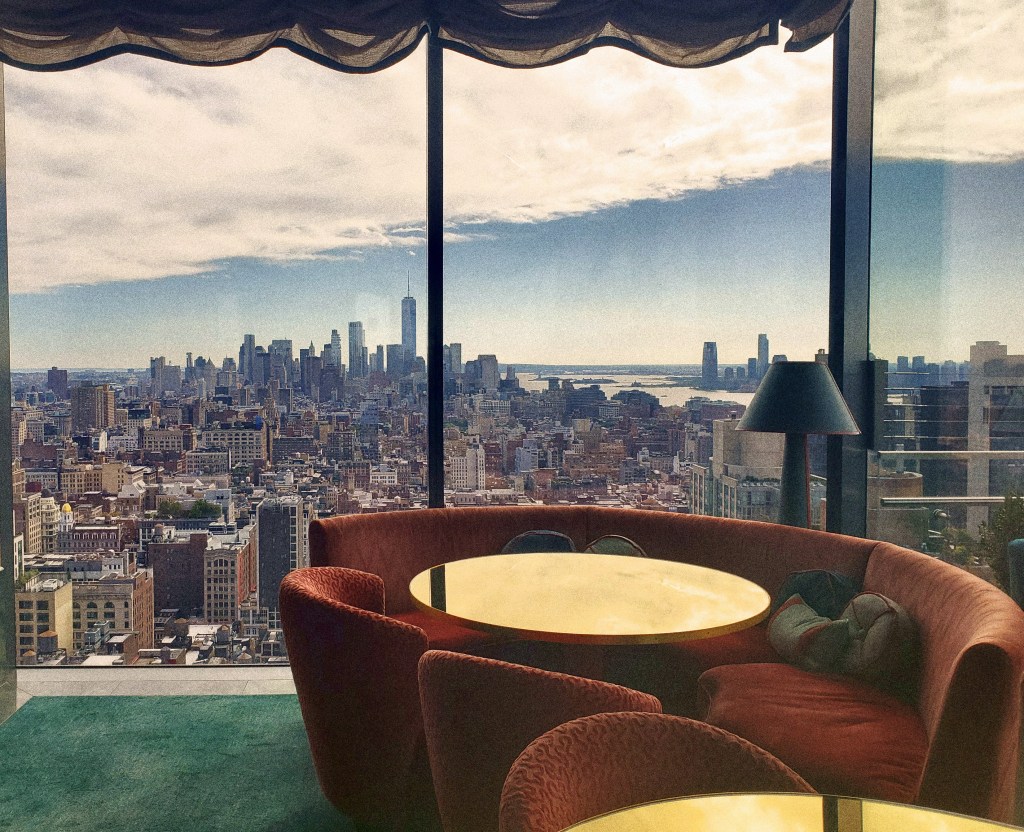
Source: Dark Passport Photography

Source: Dark Passport Photography

Source: Dark Passport Photography
But some of the best trips are the more down to earth ones, like when it is realized that even kings and queens occasionally travel by train to smaller dots on the map and eat at restaurants with greasy spoons. Follow along on this trip to New Haven, Connecticut.
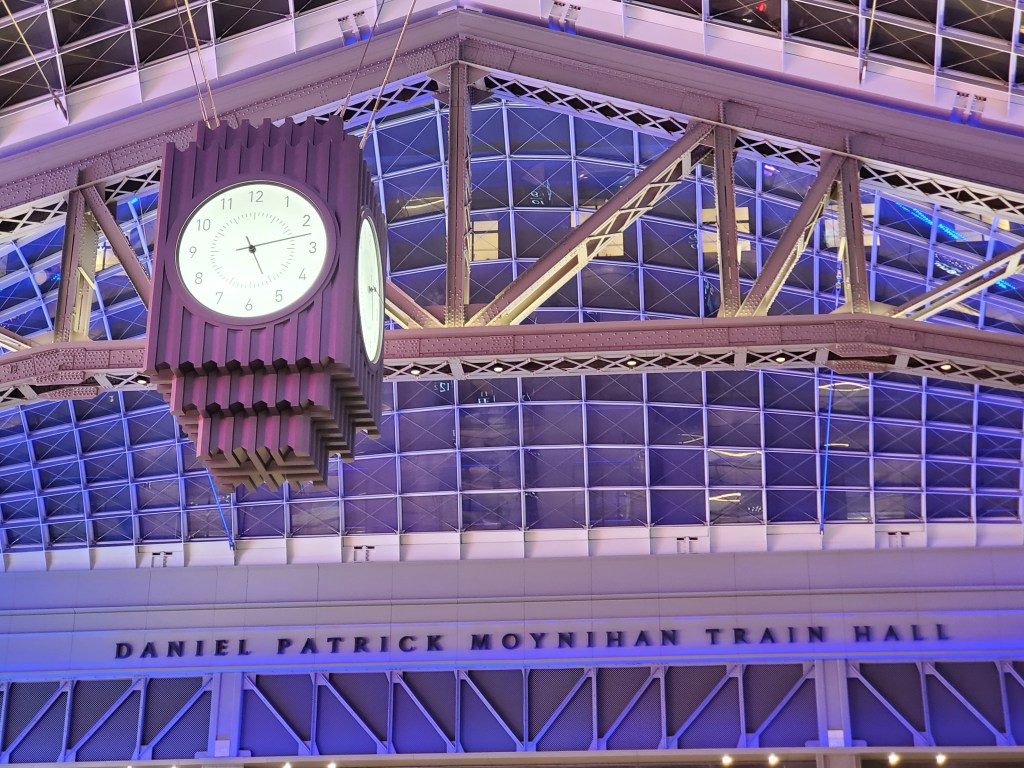
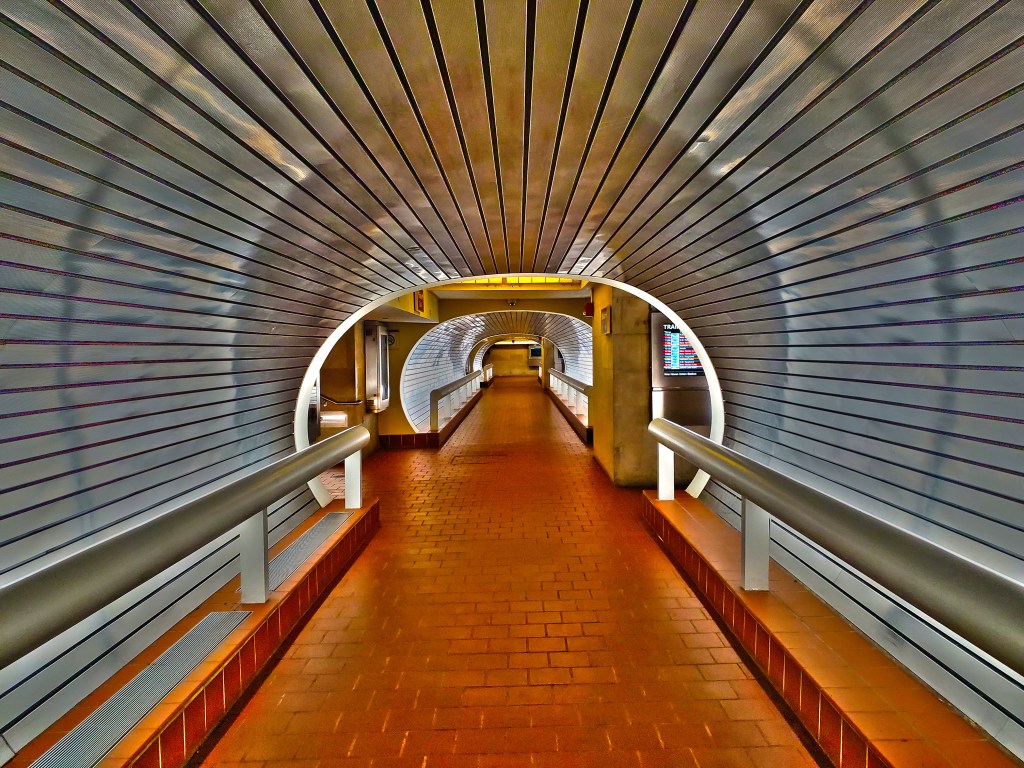
Source: Dark Passport Photography
The morning began with a picturesque hike to the Soldiers’ & Sailors’ Monument atop the summit of East Rock Park. The monument honors the residents of New Haven who lost their lives in the Revolutionary War, the War of 1812, the Mexican-American War, and the Civil War.

Source: Dark Passport Photography
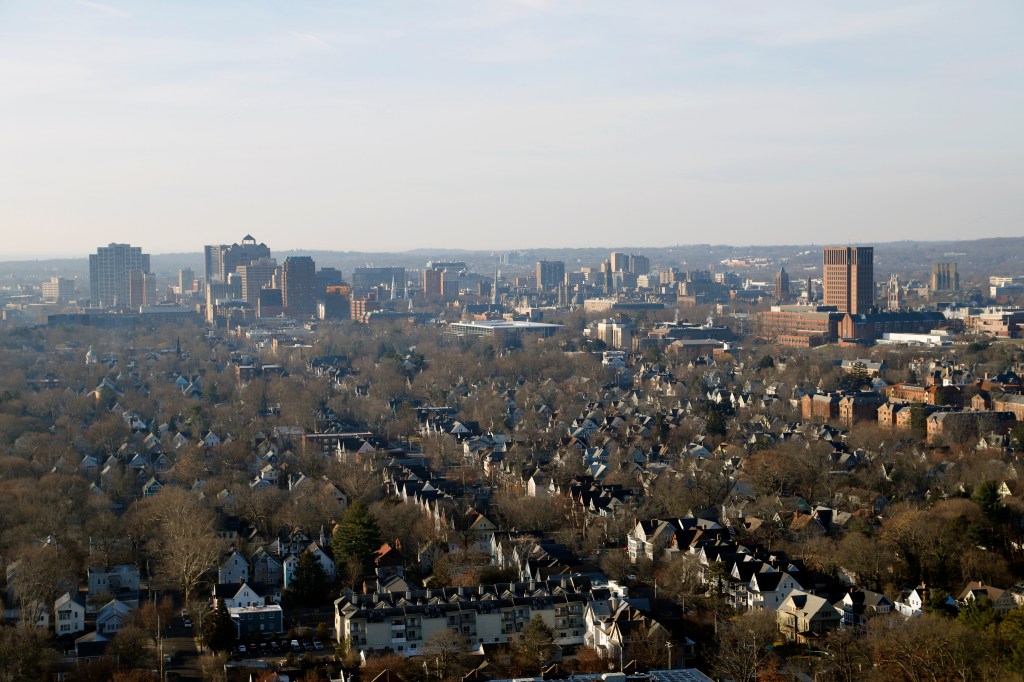
Source: Dark Passport Photography


Hiking is known for generating appetites. And New Haven is famous for its own style of pizza. The math was simple. The New Haven style of pizza has been so well received by critics that it has its own Wikipedia page. Dave Portnoy, the founder of Barstool Sports and a famed pizza critic who has reviewed a few thousand pizzas, considers Sally’s Apizza in New Haven to be the best pizza in the world. Suffice it to say, he may very well be right. It was absolutely fantastic.
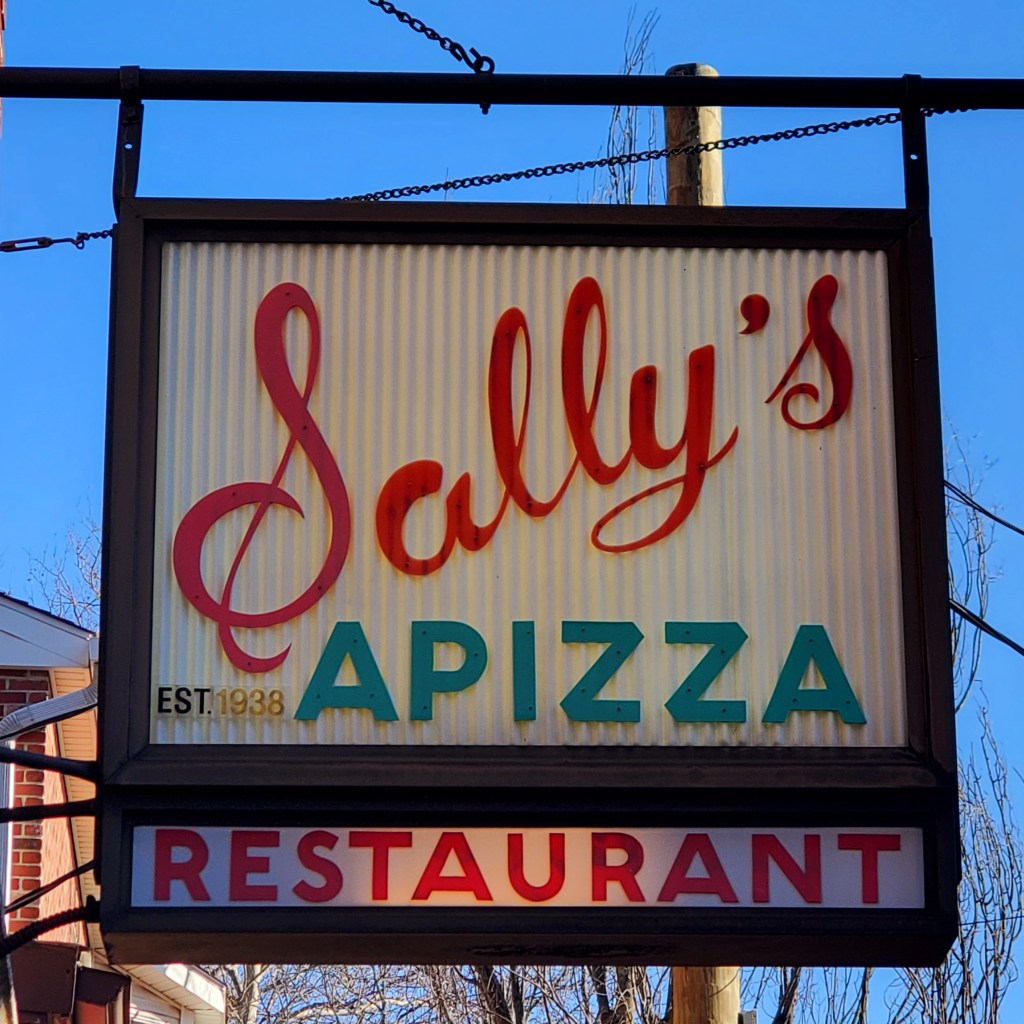

Source: Dark Passport Photography
Despite having some of the best pizza in the world, New Haven tends to claim its spot on the map due to its status as an Ivy League college town. Yale University was founded in 1701, although it functions much differently now than it did back then. For centuries, university education simply meant philosophizing over relic treatises under the tutelage of a scholar who was respected in their field. Many of these books are still on display today in a controlled environment on the Yale campus.
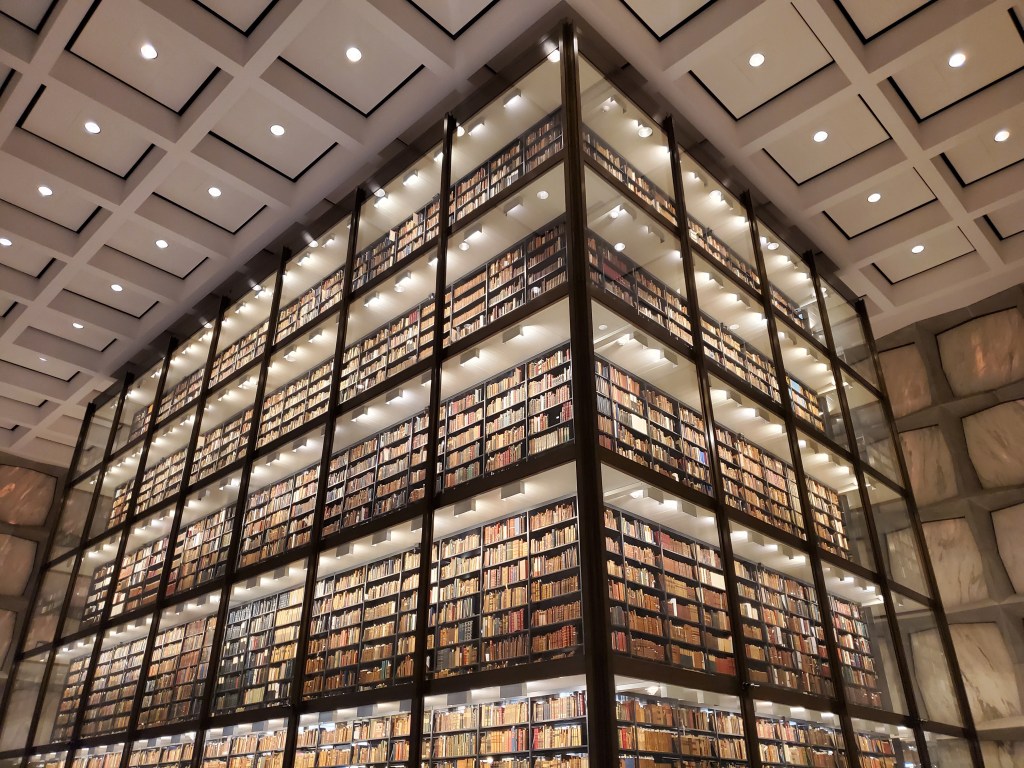
Source: Dark Passport Photography

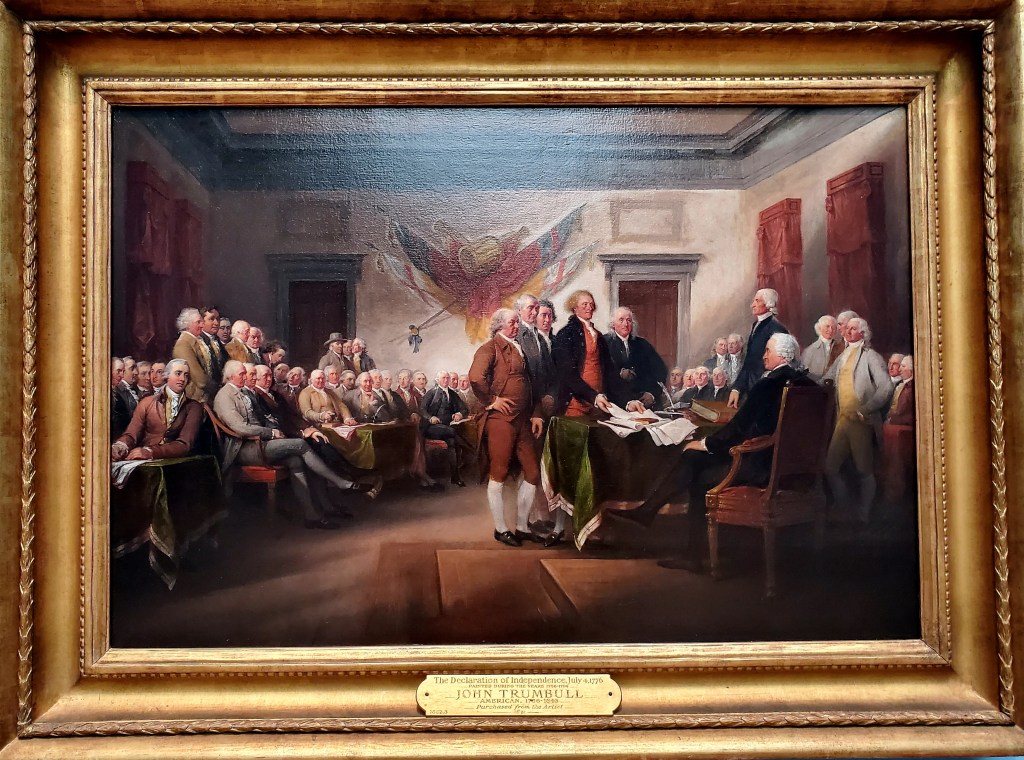
Source: Dark Passport Photography
Literature and art, with the former considered language and the latter falling under the umbrella of culture, are universally cited among other domains in the neverending story that is philosophers, sociologists, anthropologists, psychologists, and biologists debating what sets humans apart from the lesser of animals. A prominent contemporary theory is that of cumulative culture: the ability of humans to productively innovate, by means of social traditions, across multiple generations as a species in ways that individuals would fail. Connecting the pieces of this puzzle of life is the one part of human anatomy that fascinates us the most. The organ that perhaps nobody knew better than Yale graduate Dr. Harvey Cushing.
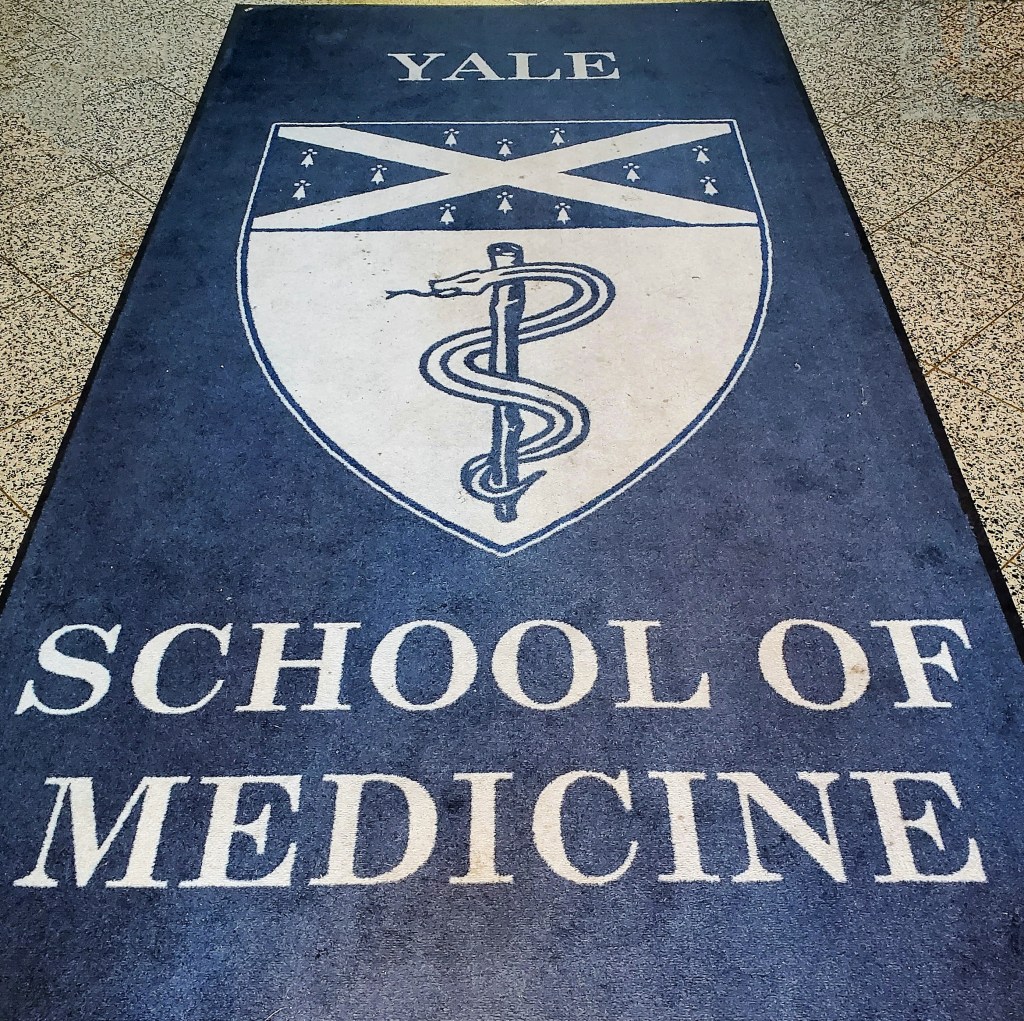
The “Father of Neurosurgery”. Cushing Triad – an indicator of increased intracranial pressure due to acute head injury. Cushing Syndrome – an excess of the “stress hormone” cortisol, occasionally caused by the much rarer Cushing Disease. One of the first advocates of x-ray technology, blood pressure monitoring, and tobacco cessation in America. Pulitzer Prize winning author. Graduate of Yale and Harvard with a medical residency at Johns Hopkins. He was even captain of Yale’s baseball team. His legacy is nothing short of incredible. But this trip to the Harvey Cushing and John Hay Whitney Medical Library at the Yale School of Medicine was much more foreboding than any of his more famous accolades.
Through a locked door in a shadowy corner of the basement of the sixth-oldest medical school in the United States is a dark, windowless room with a massive catalog of notoriously ominous artifacts. A historical depository rather than a research laboratory, the space sits quiet and empty for most of its days. A small placard adjacent to the door innocuously reads The Cushing Center, giving rise to the scholastic speakeasy-like feeling that was set in motion by the need to consult with not one but four different university staff members of increasing skepticism before being reluctantly given an unlabeled access card. Even though my eyes were still adjusting to the dingy and sunless room, it only took one glance as the door slammed behind me with the voracity of a dungeon gate for me to think, “I am not supposed to be in here.”
On nearly every surface of the eerily silent room were hundreds of human brains encased in glass jars filled with formaldehyde. The darkness was broken only by dim backlighting with a grim yellow-green glow. What little space that wasn’t occupied by grey matter was filled with human skulls or sinister looking surgical tools. A skeleton was propped up on a stand in a corner, like so many middle school science classrooms; only this one was made of actual human bones. The evidence of Dr. Cushing’s research was both horrifying and incredible. It became abruptly apparent why the research center is so hidden and unknown despite technically being open to the public. This type of environment is certainly not for the faint of heart.

Source: Dark Passport Photography
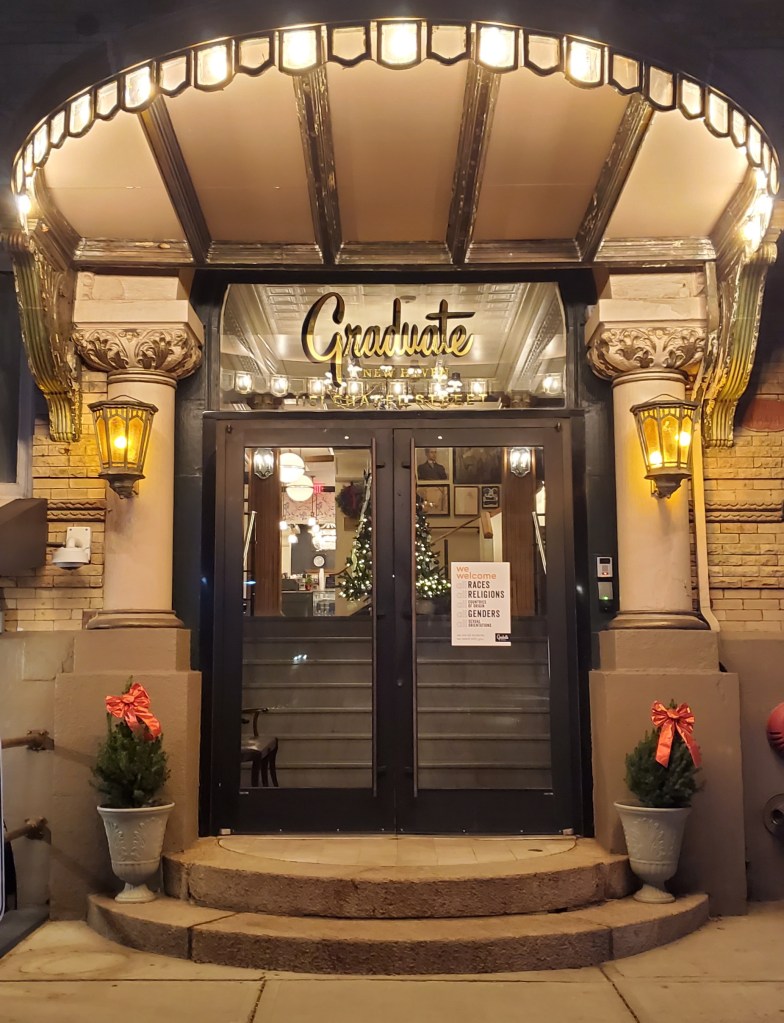
And just like that, it was time to retire for the night. The Duncan Hotel was originally built in 1894 on the outskirts of the Yale campus. Although the inn has been rebranded as The Graduate by a hospitality group known for operating boutique hotels in college towns, the building retains its original elevator and many interior decorative features. It was the perfect place to unwind after a day of exploring a historic college town.

The last stop of the trip was to engage in a debate. Not the political type of debate one might expect a crowd of diplomats to partake in; rather, one of much more importance: Connecticut style or Maine style lobster rolls? Unfortunately I was unable to claim a horse in this race, having yet to sample a Maine lobster roll (foreshadowing an upcoming trip). But I can attest to the warm buttered lobster meat snuggled between toasted bread to be an ideal lunch on a cold, windy New England winter day.
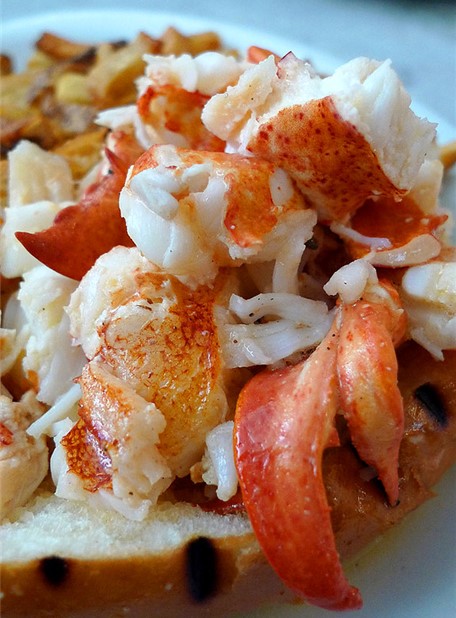
“Lobster Roll (Hot)” by arnold | inuyaki is licensed under CC BY 2.0.
I managed to sneak away to East Haven Town Beach for a moment of tranquility. Given the time of year, it was only me and the shorebirds watching the waves slosh onto the sand. It may have been a gloomy day, but the characteristic peaceful feeling of being alone with one’s thoughts on an uninhabited beach was not lost among the clouds. “There’s a storm coming in!” a familiar voice eventually broke the silence from a nearby parking lot. “You’re telling me.” I half-mindedly replied with one last look at a distant ship on the grey horizon. Whether we were talking about the incoming atmospheric river or using the weather as a metaphor for something greater was a subject left unexplored as we left the desolate beach for the rainy return to the most densely populated city in the country.

Source: Dark Passport Photography
Note: As of 2024, the Yale University Cushing Brain Center visitor policy has become more standardized and now offers guided tours to the general public. While this might not sound quite as forebodingly exciting as my cryptic and furtive visit, it remains a worthwhile stop for anyone who finds anatomy, neuroscience, psychology, or medical history particularly fascinating.
 The Dark Passport