U.S. government employees who are experts in economics, politics, defense, agriculture, trade, security, technology, public relations, environmental issues, and other topics are dispersed in nearly 300 locales across the globe. But diplomacy is not a unilateral concept. In fact, it doesn’t work at all without reciprocity. This is precisely why there are a few thousand foreign missions within the United States and its territories. Included in this number are hundreds of embassies and consulates for conducting official business but also diplomatic residences and special offices such as those dedicated to the United Nations. Many countries rely heavily on the United States of America and our status as a world superpower for their continued development and success, resulting in much of the activities in the foreign affairs arena being conducting within our very borders. Anxious as my coworkers and I are to spend time abroad, the past few months have demonstrated the amount of work being done in our own backyard (see Blog #27: UNGA 78 and Blog #29: APEC Leaders’ Summit).
Through both formal and informal measures which have existed in one aspect or another since before the dawn of the common era, foreign envoys have enjoyed host country legal and even physical protection while on official business. The legal protection comes in the form of a severely misunderstood matter referred to informally as diplomatic immunity. Contrary to what is depicted on television and well-intentioned educational videos on the internet, diplomatic immunity does not grant government officials a license to commit crime in other countries. Law enforcement may still exercise a certain amount of authority over foreign diplomats depending on the severity of the situation. All other factors being equal, it should always be assumed that a country will prioritize the sanctity of its own people above those visiting from faraway lands.
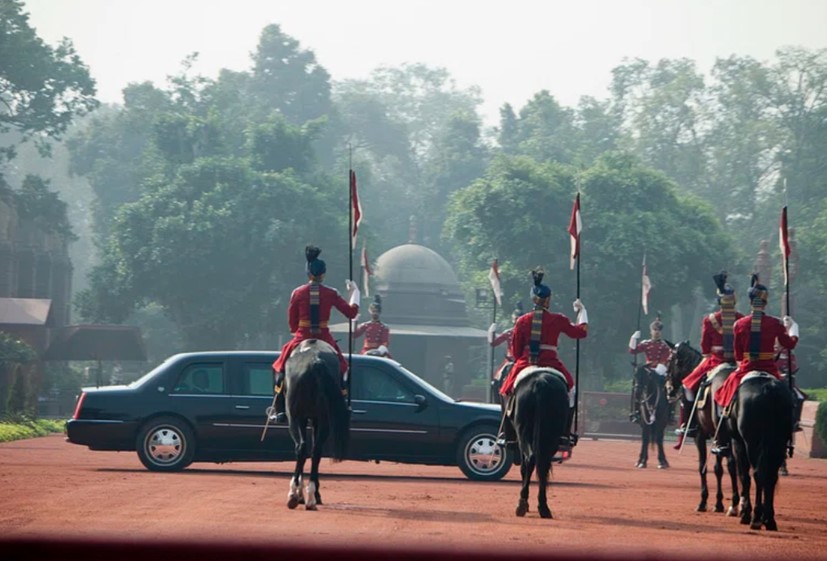
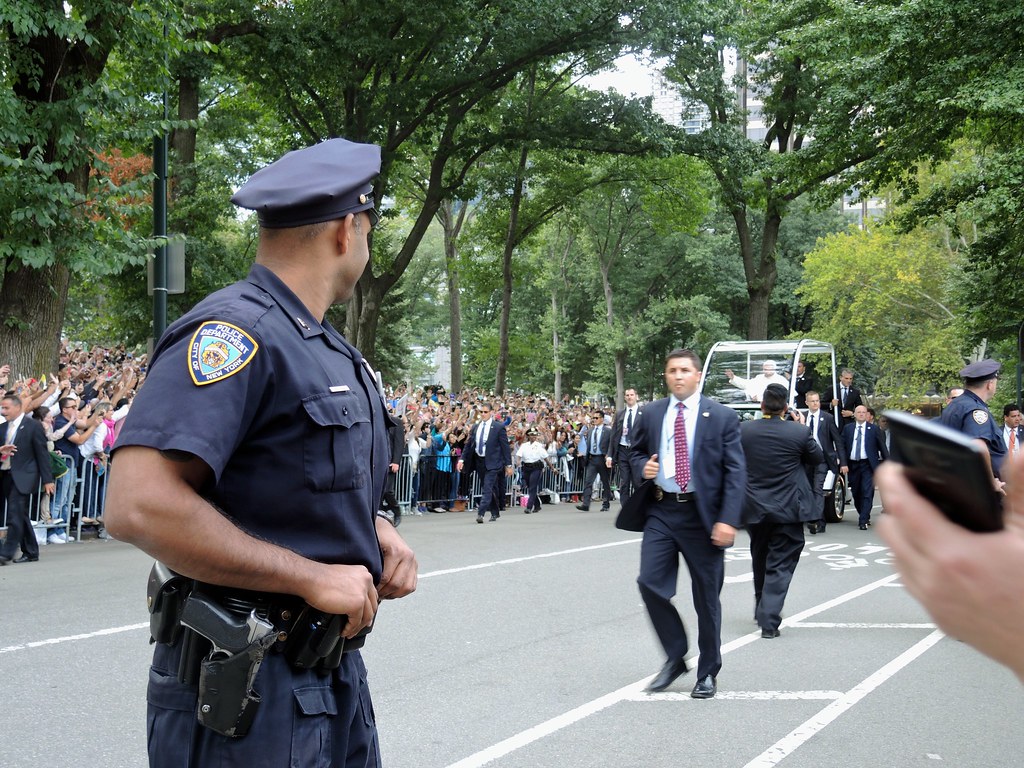
The physical protection provided by host nations to their foreign dignitary guests varies based on a variety of factors including the threat level and the person’s prominence. It is in the best interests of any country to protect their distinguished visitors. Yet it is not practical to provide presidential level security to each of the 124,000 foreign diplomats in the United States. Rather, the simplest form of protection in place is the passive extension of coverage of certain laws. In other words, if a U.S. citizen commits a crime against a non-U.S. mission or diplomat, U.S. law enforcement officials will still respond, intervene, investigate, and seek justice. In some cases, such as foreign embassies in Washington, D.C. with an elevated threat profile, the United States government provides security personnel to watch over the property. This is another reciprocal practice that can be seen overseas when local police or military guard our U.S. embassies and consulates. Lastly, when high profile foreign dignitaries visit the United States, our government augments their own security forces within our borders. As was the case recently in New York City.
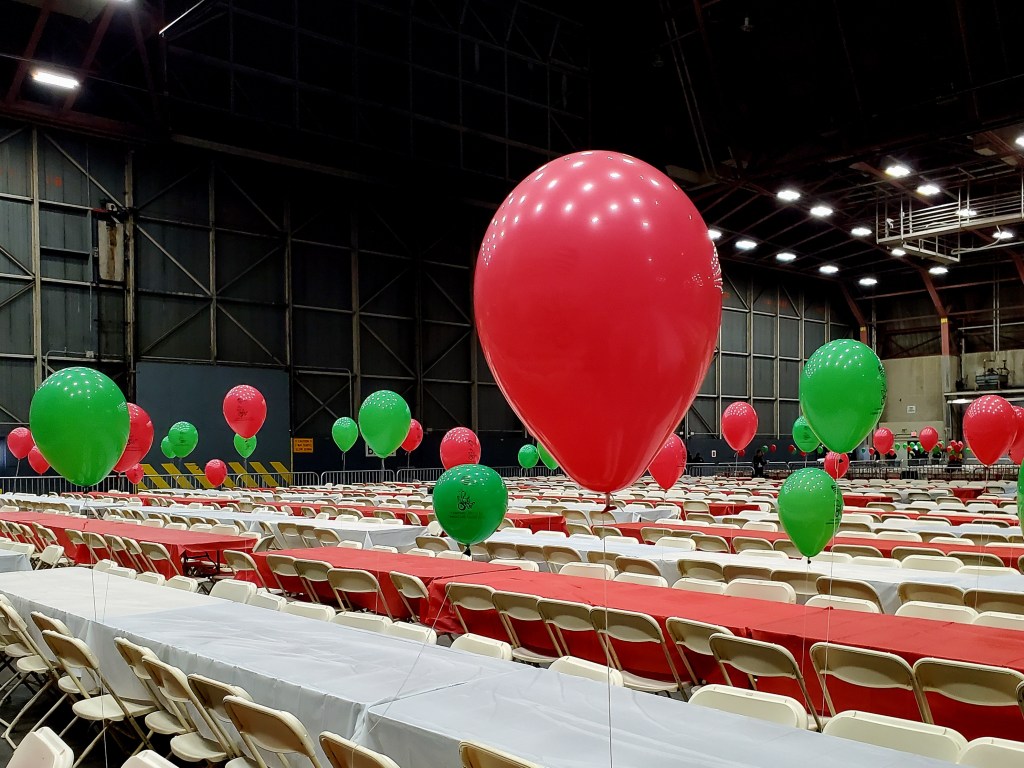
In a tradition spanning nearly seven decades, the foreign delegation from the North Pole has flown to John F. Kennedy International Airport every December in a Boeing 767 sleigh full of gifts. After clearing customs, the VIP along with his wife and some helpers are brought to an aircraft hangar where nearly 4,000 of his most supportive constituents await. As with any such high-profile event in the realm of foreign affairs, safety and security were of the utmost importance. It was therefore my honor to be a member of the team sent to ensure the day would be miraculous and full of cheer. But first, we had to get everything ready.
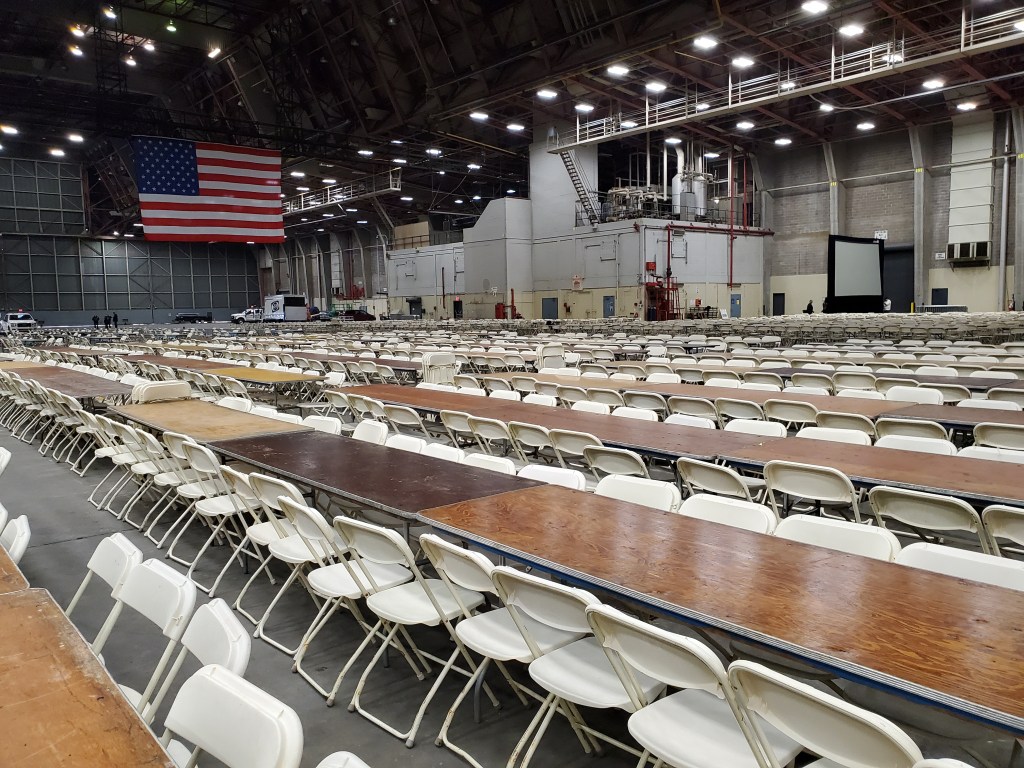
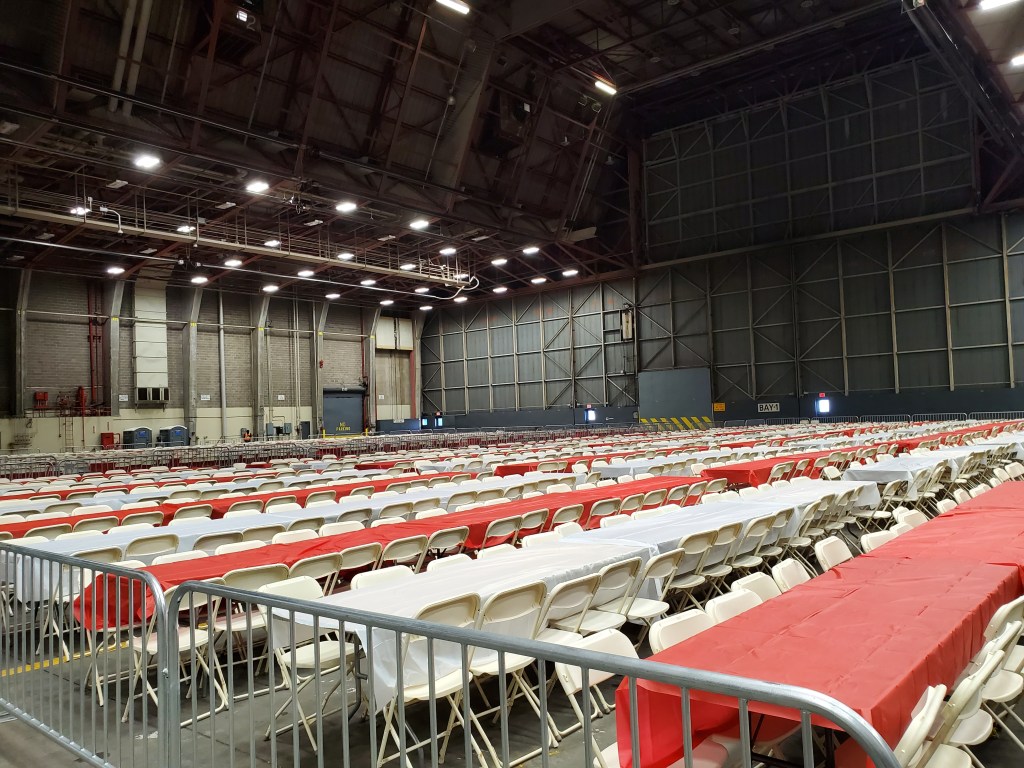
Source: Dark Passport Photography
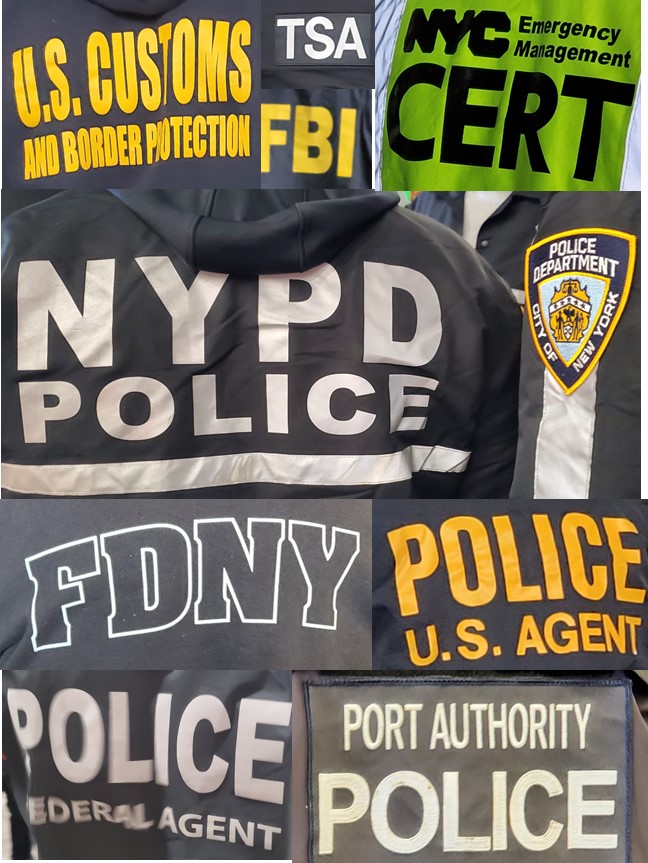
Interacting with the children as they filed off their school buses and into their festive seating areas was easily the best part. Their excitement in anticipation of seeing our special guest was palpable. After the sounds of several local high school marching bands reverberated spectacularly throughout the giant metal building, the hangar doors began to open; signaling it was time for my team to assemble.


The news footage below accurately documents what came next. As the event director so accurately describes in the video, you really can’t put to words the feeling of making an event like this a success. Experiencing the divisiveness and violence in our world day-in and day-out has a way of draining hope. It is the rare days like these, where we see nothing but pure happiness on the faces of those who deserve it the most, that remind my team why we do what we do.
 The Dark Passport