“Anytime you reach out to someone for assistance in this organization, it’s going to seem like the first time it’s ever been asked.” – Common federal government credo
Two seasons had passed since I watched my belongings being hauled away in an 18-wheeler through a process known as “Pack Out”. Similar to the way the IRS will take your money much faster than they will refund it, getting my cherished household effects pulled from Uncle Sam’s storage warehouse and delivered to my new home was, of course, a hassle. Three different online computer systems, consultations with eight people, and sixteen emails later, the moving company rang the buzzer for my building. But not before I slept on an air mattress and sat in a folding camping chair in my empty, echoey apartment waiting for all parties involved to come to an agreement as to when the delivery would happen.
The term “prewar apartment” denotes a building constructed between the turn of the twentieth century and World War II. Fans of architecture and brokers of big city real estate hear “prewar” and envision hand-plastered walls separating wooden floors from high ceilings. Building engineers and superintendents shudder at the same word due to thoughts of faulty wiring and clanking steam radiators. A seasoned renter can spot a prewar building simply from the descriptors in the ad. Refrigerators, dishwashers, and microwaves didn’t see popularity until the 30’s, 50’s, and 70’s, respectively, so the kitchen is likely “charming” (tiny with no space for appliances). A “cozy” bedroom means it’s not large enough to fit a queen or king sized bed. “Bright” spaces are made by very large windows compensating for the fact that there is no central air conditioning. Last but not least, the dreaded “walk-up” label is a fancy way of saying there is no elevator. And that is exactly what my movers did not want to hear.

An inherent downside to big city life is the lack of space. Everything gained by being in the heart of an urban environment, within walking distance of any service or product imaginable, is lost in the way of square footage. Thus, as the movers slowly trudged up flight after creaky flight of narrow wooden stairs with my moving boxes hoisted on their hunched-over backs like inner city sherpas, a challenge arose: “Where do I put all this stuff?”
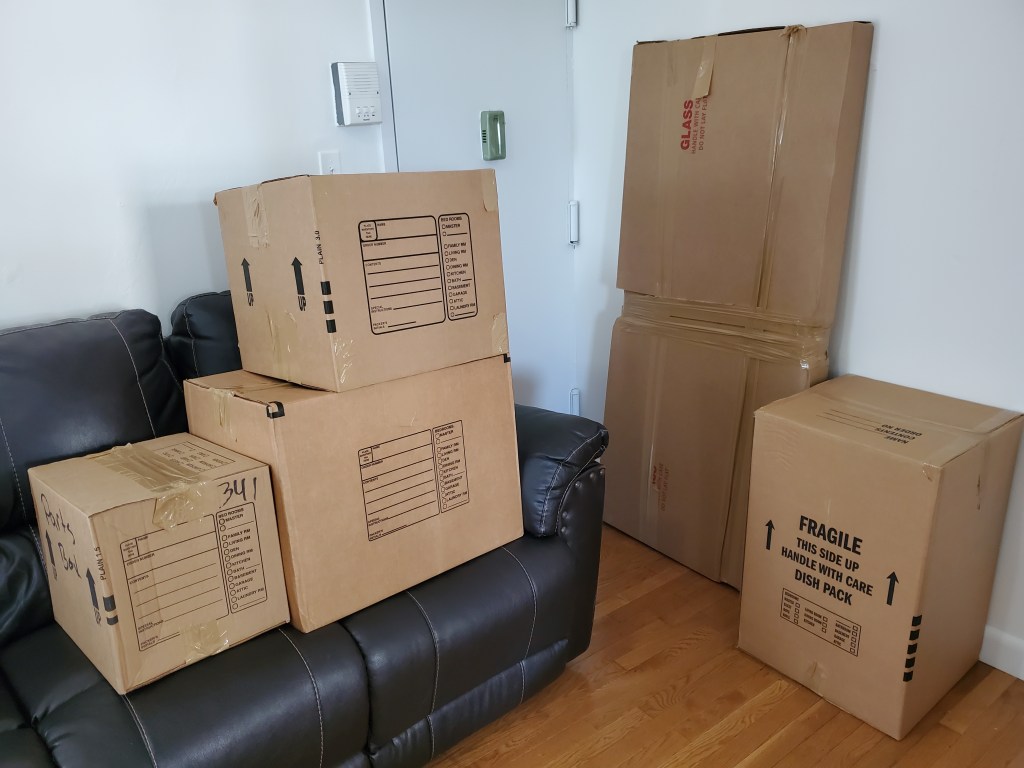


Receiving a shipment of personal goods removed from storage isn’t as simple as taking items out of the delivery truck and setting them inside the new home. As the receiver, I must crosscheck each box or standalone piece against the original inventory list and check it for damage. This is easier said that done with multiple movers standing in the living room carrying several items each.
Another responsibility of the receiver is to direct the placement of all belongings. The rule is, once something is set down by the movers, it only gets relocated by the receiver. Sure, if you’re very polite and not asking too much, they will kindly move something to a different spot. But for the most part, it’s the job of the movers to get your stuff in your home, not be your interior decorators. Simplicity comes in the form of boxes labeled, for example, “KITCHEN”. Difficulty arises with boxes only given a number which the receiver must rush to find on the inventory list and point to a room or corner before the mover sets them down.


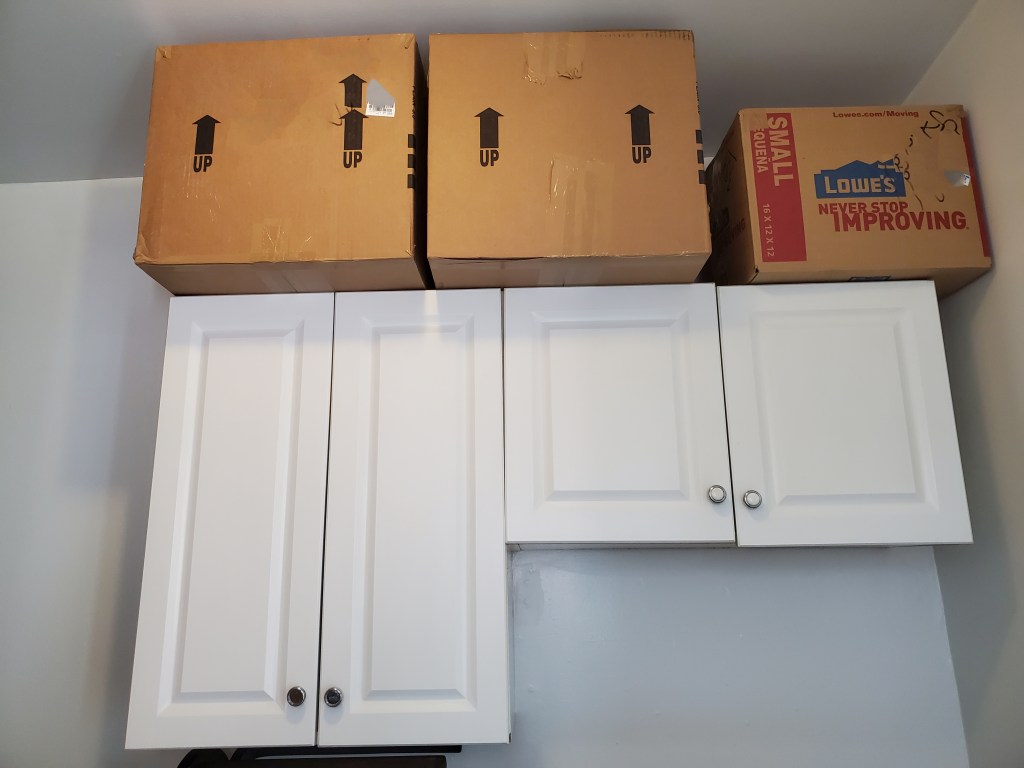
I was pleasantly surprised to discover not one item was missing or damaged, nobody was hurt, and the moving truck didn’t get a parking ticket. You wouldn’t think the actual moving day would have been the least complicated and problematic part of the whole process. In the end, the movers were happy to have the donuts, Gatorade, water, and cash tips I had gotten them. I was of course happy to have my things (especially a bed) which I hadn’t seen in so long. But I was even happier to have a new place to call home. Now, if only I had time to unpack all these boxes…
 The Dark Passport