This is a follow-up to Blog #23: Red Gun, Blue Gun
In the back half of the first millennium of the Common Era, Chinese alchemists seeking immortality created a dark powdery substance which they named huǒyào. Literally translated by character interpretation as “fire medicine”, huǒyào is the modern Chinese word for gunpowder. In the first of what would become many forms of irony in the now centuries-old history of firearms, the Taoist monks had in fact invented the first explosives in their quest to concoct a new form of medicine.
It wasn’t until the nineteenth century, near the end of the Industrial Revolution, that a young scientist combined nitroglycerin and diatomaceous earth to create a stronger yet more stable form of explosive than black powder. The mixture was named dynamite by its inventor, the Swedish chemist Alfred Nobel. It has since become a sardonic paradox in the firearms and defense industries that the Nobel Peace Prize was named after the man who invented one of the world’s first mass-produced high explosives.
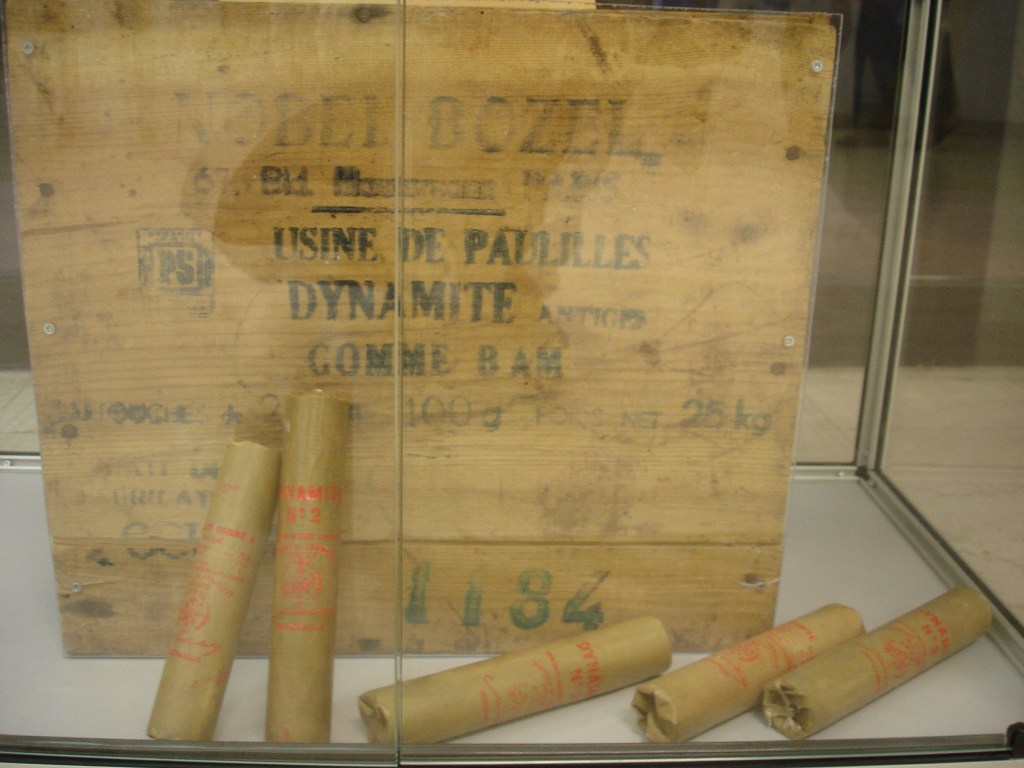
From cannons to laser guided bombs, and from muskets to submachine guns, not much has changed in the overall engineering of firearms and munitions over the years. The most advanced military, law enforcement, and security personnel in the world still utilize controlled, miniature explosions to direct metal projectiles knowns as bullets towards an adversary when lethal force is warranted. Virtually every country on the planet has soldiers or police, or both, armed with weapons. The President of the United States, the Pope, and the King of England are all protected by specially trained staff carrying firearms. An increasing amount of critical infrastructure facilities are kept secure through the same means. Completely independent of the argument on whether citizens should be allowed to possess firearms or nation-states should partake in war is the fact that for hundreds of years, civilizations have relied on these weapons in the hands of government actors to maintain their subscribed way of life.
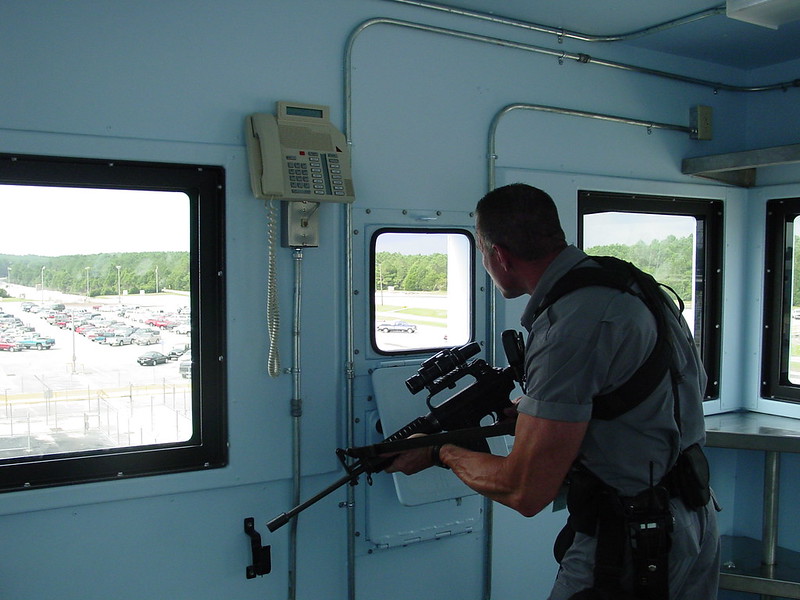
After thousands of rounds of ammunition fired during numerous qualification courses, I am now authorized by the United States government to carry a firearm in furtherance of my duties. That means no more non-lethal paint bullets or simulated ammunition. No more red or blue training guns. Now, it’s black guns. Real guns. And real responsibilities.

Logic would dictate that we wouldn’t be given real firearms until our overall training program has concluded and we have become operational. I am happy to announce that this is indeed the case. The longer-than-usual delay in blog posts has been for a good reason. We’re done! Done with training, done with living out of suitcases, and quite frankly we’re done with each other. Done, and ready to experience the world. Okay, technically, we still have a ton of training to complete over the next few years, we’ll be living out of suitcases now more than ever with all the travel, and my classmates and I will still be working together occasionally even though we have gone our separate ways. But the point is, we are official now. We’re living the dream.

 The Dark Passport