“To protect the sheep, you gotta catch the wolf. And it takes a wolf to catch a wolf.” -Alonzo Harris, played by Denzel Washington in the 2001 film Training Day.
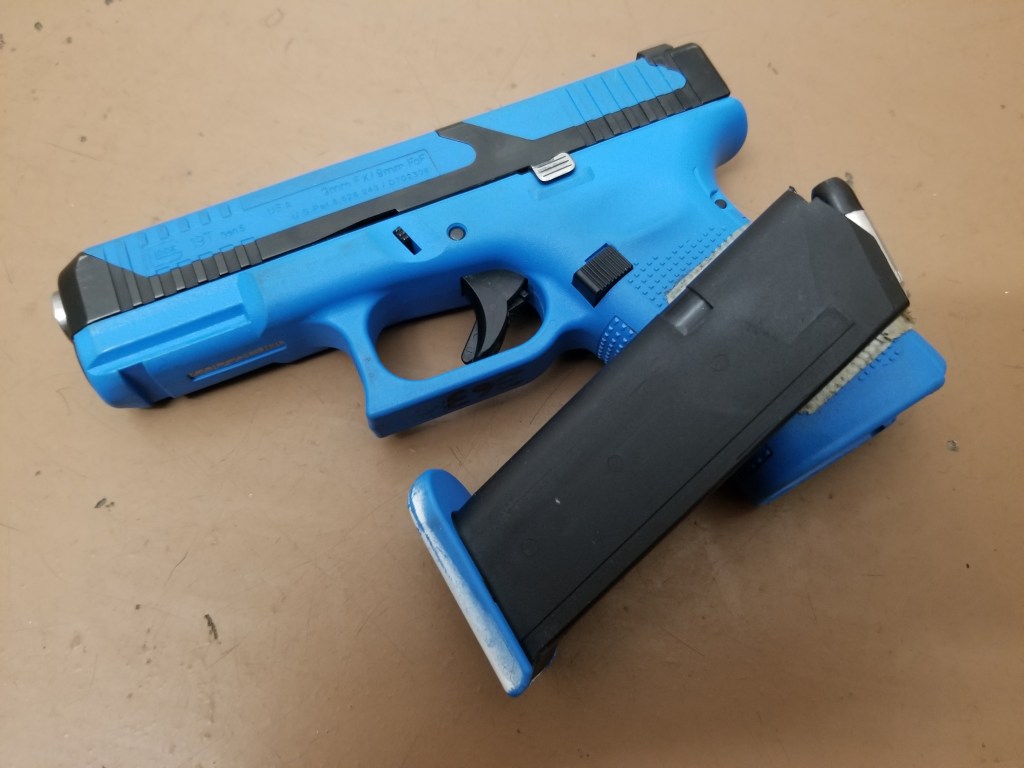
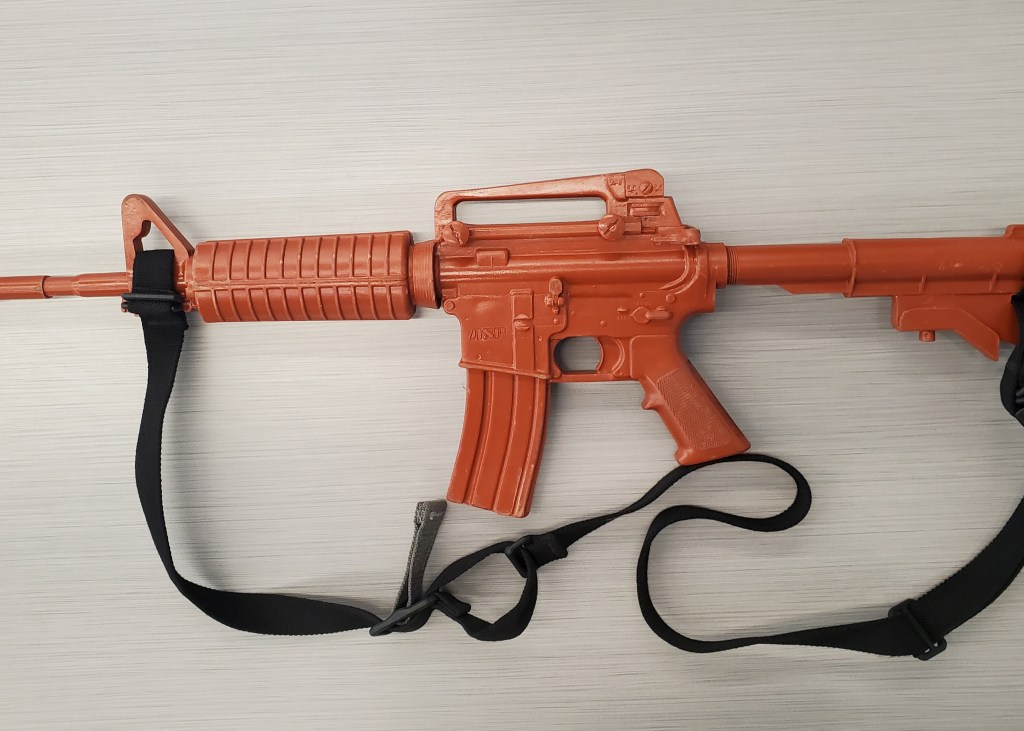
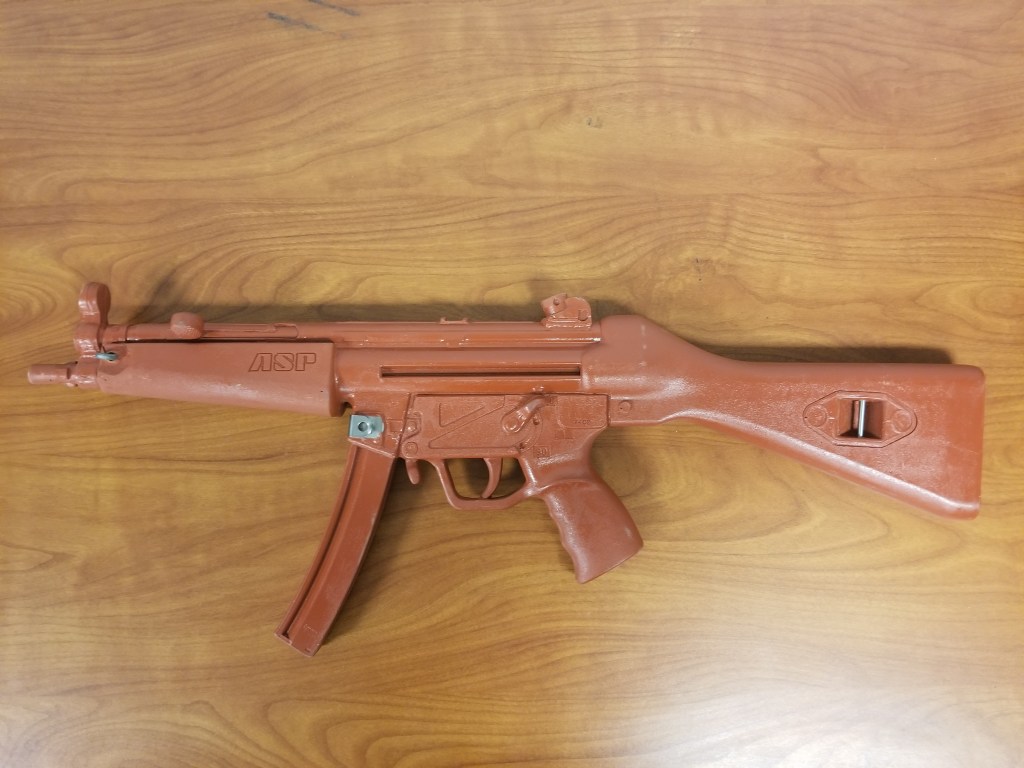
“We don’t need any accidents here” is a familiar sentiment woven into virtually all professional weapons training programs. It’s easy to avert hazards when shooters are standing still in a straight line aiming the same direction at static paper targets on a range. Needless to say, the real-world situations we practice for are much different. But team training for dynamic close-quarters engagement is dangerous with real firearms. At the same time, it isn’t ideal to train with imitation guns that don’t accurately represent what will be used in life-threatening situations. The solution is specially designed simulation weapons that feel and function like the real thing but are not capable of firing actual ammunition. Traditionally, the “blue guns” shoot either blanks or non-lethal plastic or color-marking projectiles with reduced energy that can be used safely in live fire exercises in conjunction with basic protective gear. The “red guns” don’t shoot at all and are optimal for practice scenarios involving defensive tactics (physical fighting).
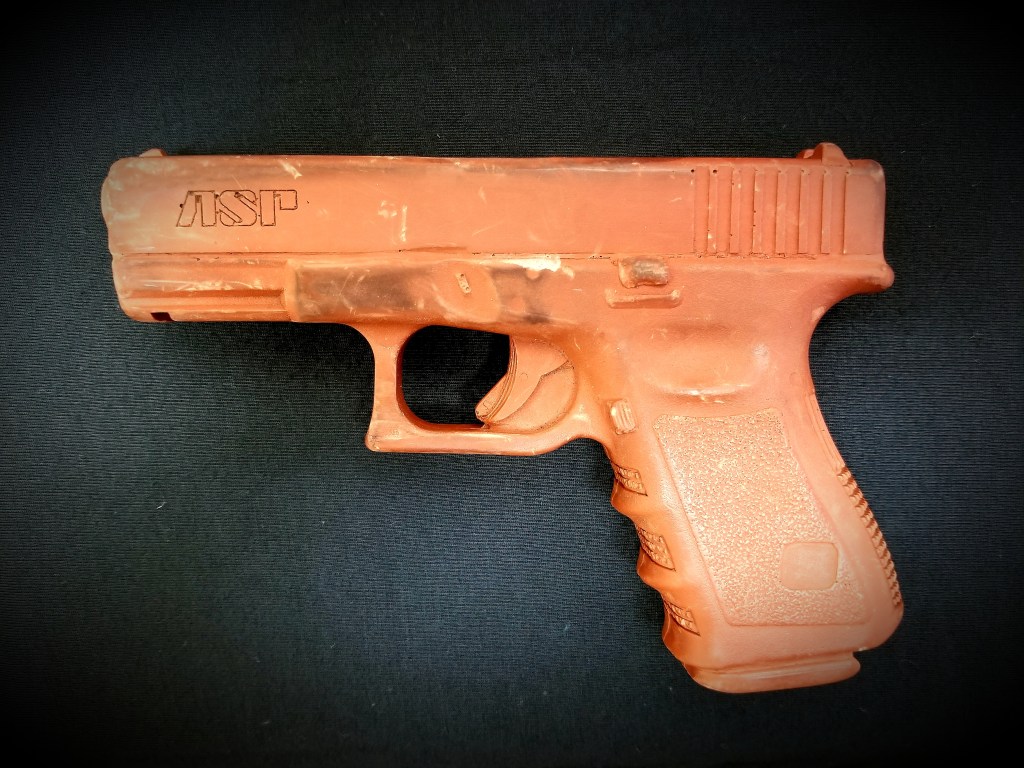
In training, we are assigned our own inoperable guns which have no moving parts. They go everywhere with us and are to be treated as real firearms so we can get used to their presence. We cannot leave them unattended, point them in an unsafe direction, or play with them. The real firearms are locked up and kept in the control of shooting instructors until we are at the range and all safety measures have been taken.
It is admittedly unfortunate that firearms proficiency is a necessity within a certain niche of the foreign affairs community. Yet some of our most crucial diplomacy is conducted in developing nations prone to violence. This sentiment tends to bring about thoughts of the 1983 U.S. Embassy Beirut bombing, 1998 U.S. embassy bombings in East Africa, and the attacks in Benghazi, Libya in 2012. Those following global current events saw a U.S. diplomatic convoy get shot up while moving through Sudan just this past April. The majority of incidents, however, garner much less attention and occur outside of war-torn areas. Explosives and incendiary devices, for example, have been used against U.S. missions in Uzbekistan, Montenegro, China, Mexico, and Spain during the past decade.
In the sequel to this blog, I further explore the history as well as divisiveness of the firearms topic as it relates strictly to specially trained government officials who swore an oath to defend the people, values, and foundation of this country.
 The Dark Passport